
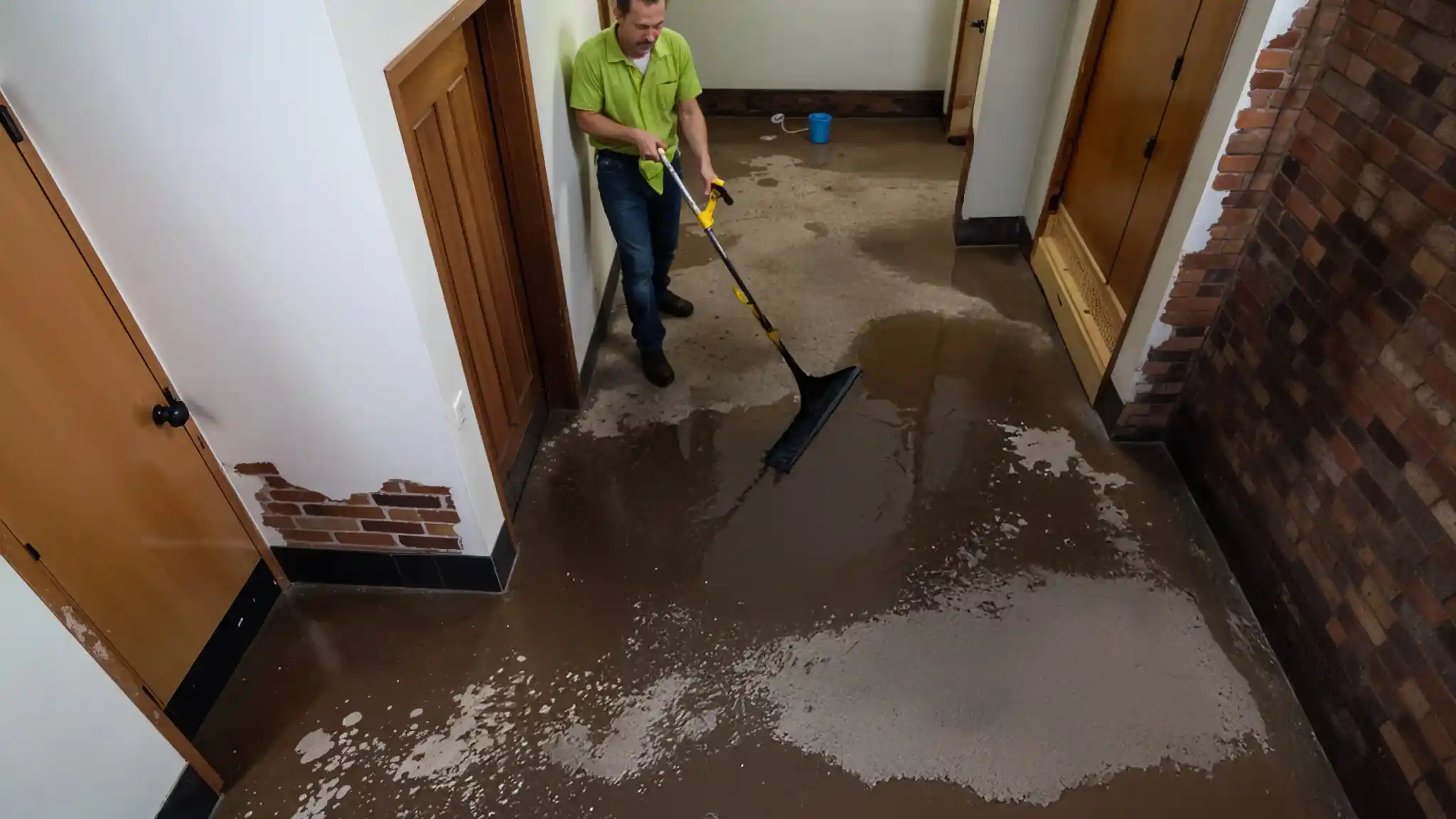
When floodwaters enter your home, it can feel overwhelming, chaotic, and uncertain. The damage begins immediately and worsens quickly, making the first 24 hours absolutely critical. Acting fast can save your property, protect your health, and reduce overall restoration costs. At Insight Restoration, a premier water damage restoration company in Idaho, we’ve helped countless homeowners and businesses through these situations. Based on our experience, here’s a step-by-step guide on what you should do in those crucial first hours after a flood.
1. Ensure Safety First
Before you think about cleanup, safety must be your top priority. Floodwater is not just water; it can carry sewage, bacteria, chemicals, and hidden debris. In addition, water and electricity don’t mix, creating the risk of electrocution.
- Turn off electricity and gas if you can do so safely. If the breaker box is located in a flooded area, don’t attempt to reach it—call your utility provider instead.
- Avoid contact with floodwater. Wear protective clothing like rubber boots and gloves if you must enter the affected areas.
- Check for structural damage. Flooding can weaken floors, walls, and ceilings. If you notice sagging, cracks, or shifting, leave the property until professionals can assess it.
2. Call Your Insurance Company
Time is of the essence when filing an insurance claim. Documenting the damage early ensures that you’ll have the necessary evidence to support your claim.
- Take photos and videos of every affected area before you begin cleanup. Capture wide shots and close-ups.
- Keep receipts for any emergency purchases, such as temporary housing, cleaning supplies, or repairs.
- Ask about coverage. Some policies cover water damage from burst pipes but not flooding from natural disasters. Clarify what applies to your situation.
3. Contact a Professional Restoration Company
While some small leaks or spills can be handled on your own, flooding is never a DIY job. Water damage can spread quickly into walls, subfloors, and hidden areas, leading to mold growth within 24–48 hours.
This is where Insight Restoration comes in. As Idaho’s trusted water damage restoration experts, our team responds quickly to emergencies with the equipment, training, and experience to handle floods of any scale. We provide:
- Emergency water extraction and drying using industrial-grade pumps and dehumidifiers.
- Mold prevention and remediation to protect your family’s health.
- Comprehensive cleanup and repair to restore your property to pre-flood condition.
The sooner you call, the more we can do to minimize permanent damage.
4. Begin Water Removal (If Safe)
If it’s safe to enter your property and while waiting for professionals, you can take some preliminary steps to reduce damage.
- Remove standing water with buckets, mops, or wet/dry vacuums (never use a regular household vacuum).
- Move valuables and furniture out of the flooded area. Place aluminum foil or wood blocks under furniture legs to protect them from moisture.
- Open windows and doors to allow air circulation, but only if the weather permits and it doesn’t compromise security.
Remember, these efforts should be temporary—professional drying is still essential.
5. Protect Your Health
Floodwater poses serious health risks. Even if it looks clear, it could contain contaminants.
- Disinfect surfaces that came into contact with floodwater using bleach-based cleaners.
- Wash hands thoroughly after handling items from flooded areas.
- Discard porous materials like mattresses, rugs, and upholstered furniture if they’ve been soaked. These items are extremely difficult to disinfect.
6. Prevent Mold Growth
One of the most dangerous after-effects of flooding is mold. It can begin to develop within a single day, spreading rapidly and causing respiratory issues, allergies, and long-term property damage.
To minimize the risk:
- Remove wet materials like carpet, drywall, and insulation as soon as possible.
- Use fans and dehumidifiers to promote drying, but only after ensuring no mold is already present—otherwise, you could spread spores.
- Have Insight Restoration perform a mold inspection to guarantee your home is safe before rebuilding.
7. Document Everything
While it may feel tedious during a crisis, keeping detailed records will save you headaches later.
- Maintain a flood diary with dates, times, and descriptions of what happened.
- Track communications with your insurance company and restoration providers.
- Photograph progress as your property is cleaned and restored.
This documentation will strengthen insurance claims and help you stay organized during the stressful recovery process.
8. Plan for the Long Term
Flood recovery doesn’t end in a day. Once immediate threats are handled, consider steps to reduce your vulnerability in the future:
- Install sump pumps and backflow valves to prevent future water intrusion.
- Seal basements and foundation cracks.
- Store belongings in waterproof containers if you live in a flood-prone area.
Conclusion
The first 24 hours after a flood are critical for protecting your property, your health, and your peace of mind. By focusing on safety, documenting damage, and calling professionals quickly, you can dramatically reduce the impact of flooding on your home or business.
At Insight Restoration, we’re proud to be Idaho’s premier water damage restoration company. Our mission is not only to restore your property but also to provide guidance and reassurance during one of life’s most stressful events. If you’ve experienced flooding, don’t wait—contact our team immediately and let us help you recover.
FAQ
1. What should I do first after a flood?
Your first priority is safety—turn off electricity and gas if safe to do so, avoid contact with floodwater, and check for structural damage. Once safe, document the damage for insurance and call a professional water damage restoration company like Insight Restoration.
2. Is floodwater dangerous?
Yes. Floodwater can contain sewage, bacteria, chemicals, and hidden debris. Always wear protective gear like gloves and boots, and never assume the water is clean.
3. How soon should I call a restoration company?
Immediately. The faster you act, the more damage can be prevented. Mold can begin to grow within 24–48 hours, so quick action from a company like Insight Restoration is essential.
4. Can I clean up flood damage myself?
You can remove some water and belongings, but professional drying and restoration are necessary. DIY cleanup often misses hidden moisture, leading to mold and structural problems later.
5. Will my insurance cover flood damage?
It depends on your policy. Standard homeowners insurance often covers water damage from leaks or burst pipes but not natural flooding. Flood insurance is typically a separate policy. Always check with your insurer.
6. What items should I throw away after a flood?
Anything porous that was soaked by floodwater—carpets, mattresses, upholstered furniture, insulation, and food items—should usually be discarded because they can harbor bacteria and mold.
7. How long does it take to dry out a house after flooding?
Drying times vary depending on the severity of flooding, the materials affected, and ventilation. With professional equipment, most homes take 3–7 days to dry, but complete restoration can take longer.
8. How do I prevent mold after a flood?
Remove wet items quickly, keep air moving with fans and dehumidifiers, and call professionals for a thorough inspection. Insight Restoration specializes in mold prevention and remediation.
9. Should I stay in my home after a flood?
If floodwater has contaminated your home, it may not be safe to stay. Contaminants, mold, and structural damage can all pose health and safety risks. Always consult professionals before returning.
10. Why should I choose Insight Restoration for flood cleanup in Idaho?
Insight Restoration is Idaho’s premier water damage restoration company. We provide 24/7 emergency service, advanced drying technology, certified technicians, and full restoration support—from water extraction to mold remediation and repair.