
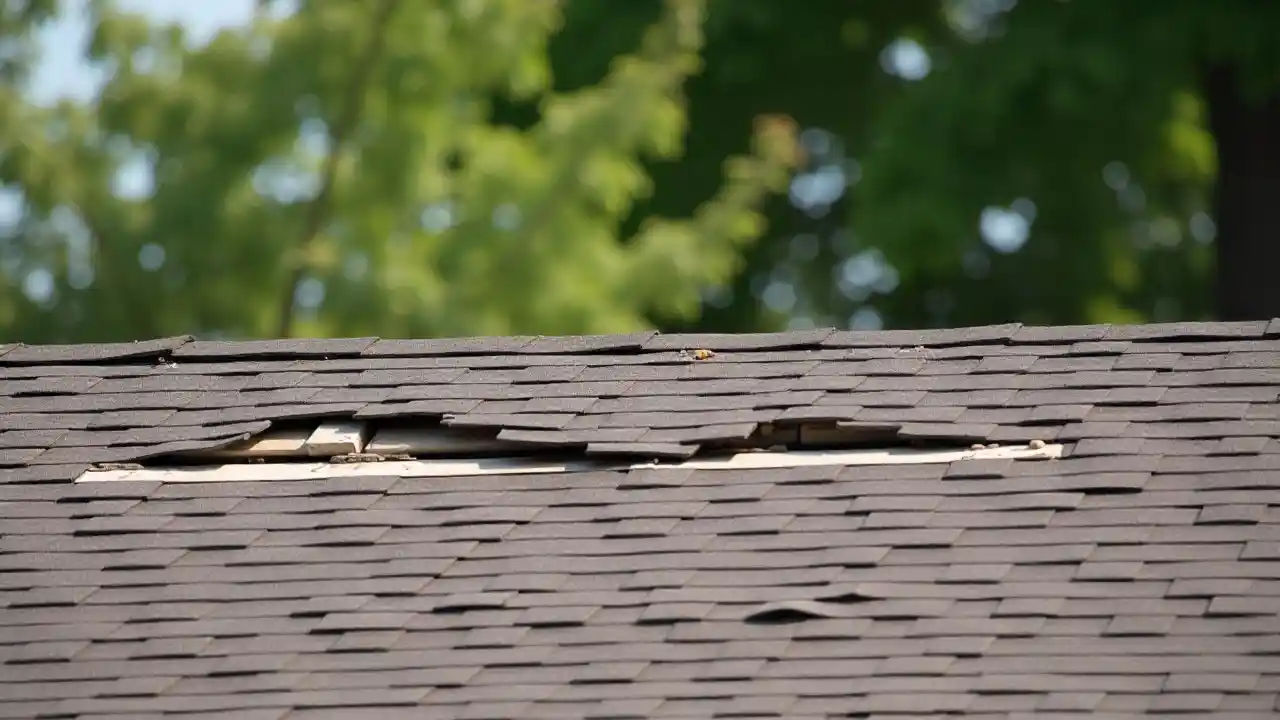
Clear skies and calm winds may indicate that the storm has passed. Most homeowners breathe a sigh of relief, believing the worst is over—but is it really? While your home may look untouched at first glance, your roof could be hiding damage that might lead to major problems down the road. Storms—especially those with high winds, hail, or heavy rain—often cause subtle forms of roof damage that aren’t immediately visible.
Understanding what to look for (and what to leave to the experts) is key to protecting your home’s structural integrity and avoiding costly repairs later on. As a leading storm damage restoration company, Insight Restoration has seen countless cases where homeowners overlooked critical warning signs until it was too late. Here’s what you should know about hidden roof damage after a storm—and how to spot it before it turns into a bigger issue.
1. The Silent Threat of Granule Loss
Most asphalt shingles are coated with granules that protect them from the sun’s UV rays and help shed water. During a severe storm, hail or high winds can knock off these granules, leaving shingles exposed.
At first, you might not notice any visible change. But over time, the exposed areas degrade faster, allowing moisture to seep in and eventually rot the roof decking underneath. Check your gutters and downspouts after a storm—if you notice a buildup of tiny, sand-like particles, that’s a telltale sign of granule loss.
Insight Restoration recommends scheduling a professional inspection if you see these particles. Trained specialists use drones and infrared technology to detect granule loss patterns that aren’t visible from the ground, ensuring no spot goes unchecked.
2. Lifted or Loosened Shingles
Wind damage doesn’t always mean shingles are missing. In many cases, strong gusts lift shingles just enough to break the adhesive seal beneath them. The shingles then settle back into place, appearing normal—but the compromised seal allows water to infiltrate slowly.
Over time, this can lead to leaks in the attic or water stains on ceilings and walls. Since this kind of damage isn’t visible without close inspection, many homeowners mistakenly believe their roofs survived the storm unscathed.
Tip: Stand back and look for irregular patterns on the roofline, such as slightly raised edges or uneven shading. If you suspect wind uplift, Insight Restoration can perform a comprehensive assessment using specialized moisture detection tools that reveal hidden vulnerabilities.
3. Damaged Flashing and Seals
Flashing is the thin metal material that seals joints and valleys in your roof—around chimneys, vents, skylights, and other openings. High winds and hail can bend, crack, or loosen flashing, breaking the watertight seal.
Even a small tear or lifted edge can allow water to penetrate beneath the shingles. The problem? Leaks caused by flashing damage often take weeks or months to show up inside your home. By the time you see a stain, significant internal damage may already have occurred.
That’s why Insight Restoration emphasizes post-storm flashing inspection as part of every professional evaluation. Their restoration technicians meticulously check these high-risk areas to ensure the roof’s waterproofing system remains intact.
4. Hidden Structural Damage Beneath the Surface
Storms can cause more than just cosmetic issues. Powerful winds and flying debris can strain roof trusses, decking, and underlayment. These problems aren’t visible from the outside—but they compromise the roof’s load-bearing strength.
A weakened roof structure increases the risk of sagging or even collapse under future stress, such as snow accumulation or heavy rainfall. Professional inspectors from Insight Restoration use advanced imaging tools to detect moisture trapped between layers and subtle shifts in the roof’s structure, ensuring your roof remains both safe and sound.
5. Gutter and Downspout Misalignment
It’s easy to overlook gutters after a storm, but they play a vital role in directing water away from your home. When wind or debris bends or loosens gutter sections, water can overflow and seep into the roof edge, fascia, or foundation.
If you notice water stains on your siding, pooling near your home’s base, or gutters pulling away from the roofline, don’t ignore it. These issues often accompany roof damage that’s hidden from view.
Insight Restoration includes a full drainage system check in their storm damage evaluations. Their experts ensure your gutters and roof work in tandem to protect your home from long-term water infiltration.
6. Insulation and Attic Damage
The attic often tells the true story of a storm’s impact. Hidden leaks, even small ones, can soak insulation and cause mold growth, reducing energy efficiency and indoor air quality. Unfortunately, homeowners rarely check their attics after a storm.
Look for damp spots, musty odors, or visible water trails on the underside of the roof decking. Even minor leaks can lead to major repairs if ignored.
The inspection team at Insight Restoration uses thermal imaging cameras to identify trapped moisture in attic spaces—often finding damage that would otherwise go unnoticed until the next big rainstorm.
7. The Importance of a Professional Storm Damage Inspection
While a DIY visual check can reveal obvious damage, many storm-related issues remain invisible to the untrained eye. That’s why experts recommend scheduling a professional inspection after any significant weather event.
Insight Restoration stands out as a trusted leader in storm damage restoration. With years of experience, certified roofing specialists, and cutting-edge diagnostic equipment, they provide homeowners with a detailed damage assessment and honest guidance on next steps. Whether it’s roof repair, replacement, or insurance claim assistance, their team ensures your home is restored quickly and correctly.
Protect Your Home Before Small Problems Become Big Ones
Storm damage doesn’t always announce itself right away. By the time you notice a leak or ceiling stain, the underlying damage could already be extensive. Regular inspections and prompt professional evaluations can save you thousands of dollars in repairs and protect your home’s long-term value.
After the next storm passes, don’t assume your roof is fine just because it looks okay from the ground. Call Insight Restoration, your local storm damage restoration experts, for a comprehensive roof inspection. With their help, you can uncover hidden issues, prevent further damage, and keep your home safe and secure—no matter what nature throws your way.
FAQ
1. How can I tell if my roof has hidden storm damage?
Hidden storm damage often isn’t visible from the ground. Signs include missing granules in gutters, loose shingles, damp attic insulation, or unexplained ceiling stains. A professional inspection from Insight Restoration can reveal issues using advanced moisture and drone technology.
2. What types of storms cause roof damage?
Roof damage can result from hail, wind, heavy rain, snow, or even fallen branches. Each type of storm affects your roof differently—hail can bruise shingles, wind can lift them, and rain can seep through cracks or damaged flashing.
3. Why doesn’t roof damage show up immediately after a storm?
Some damage is subtle and worsens over time. For example, lifted shingles may allow slow leaks that take weeks or months to appear as interior water stains. That’s why scheduling a post-storm inspection with Insight Restoration is crucial.
4. What happens if I ignore minor roof damage?
Even small leaks or granule loss can lead to mold growth, wood rot, insulation damage, and structural weakening. Addressing storm damage early can save thousands in future repair costs.
5. Should I inspect my roof myself after a storm?
You can perform a visual check from the ground or attic, but climbing onto the roof can be dangerous—and you might miss hidden damage. It’s best to let certified professionals like Insight Restoration handle a thorough inspection.
6. How soon after a storm should I schedule a roof inspection?
You should have your roof inspected as soon as possible—ideally within 24 to 48 hours after the storm—to document damage before it worsens or affects your insurance claim.
7. Will my homeowners insurance cover storm-related roof repairs?
Most insurance policies cover storm damage, but coverage depends on your policy terms and the cause of damage. Insight Restoration can assist with inspection reports and documentation to support your insurance claim.
8. What areas of the roof are most vulnerable during a storm?
Common weak spots include flashing, ridge caps, vents, skylights, and valleys where water tends to pool. Gutters and downspouts are also prone to misalignment that leads to leaks and foundation issues.
9. How often should I have my roof inspected for storm damage?
It’s recommended to have at least one professional roof inspection per year and an additional inspection after any major weather event. Preventive checks can extend your roof’s lifespan and maintain your warranty.
10. Why should I choose Insight Restoration for storm damage repair?
Insight Restoration is a trusted leader in storm damage restoration, offering expert inspections, fast response times, and full-service repair solutions. Their certified technicians use state-of-the-art tools to detect hidden damage and restore your home safely and efficiently.