
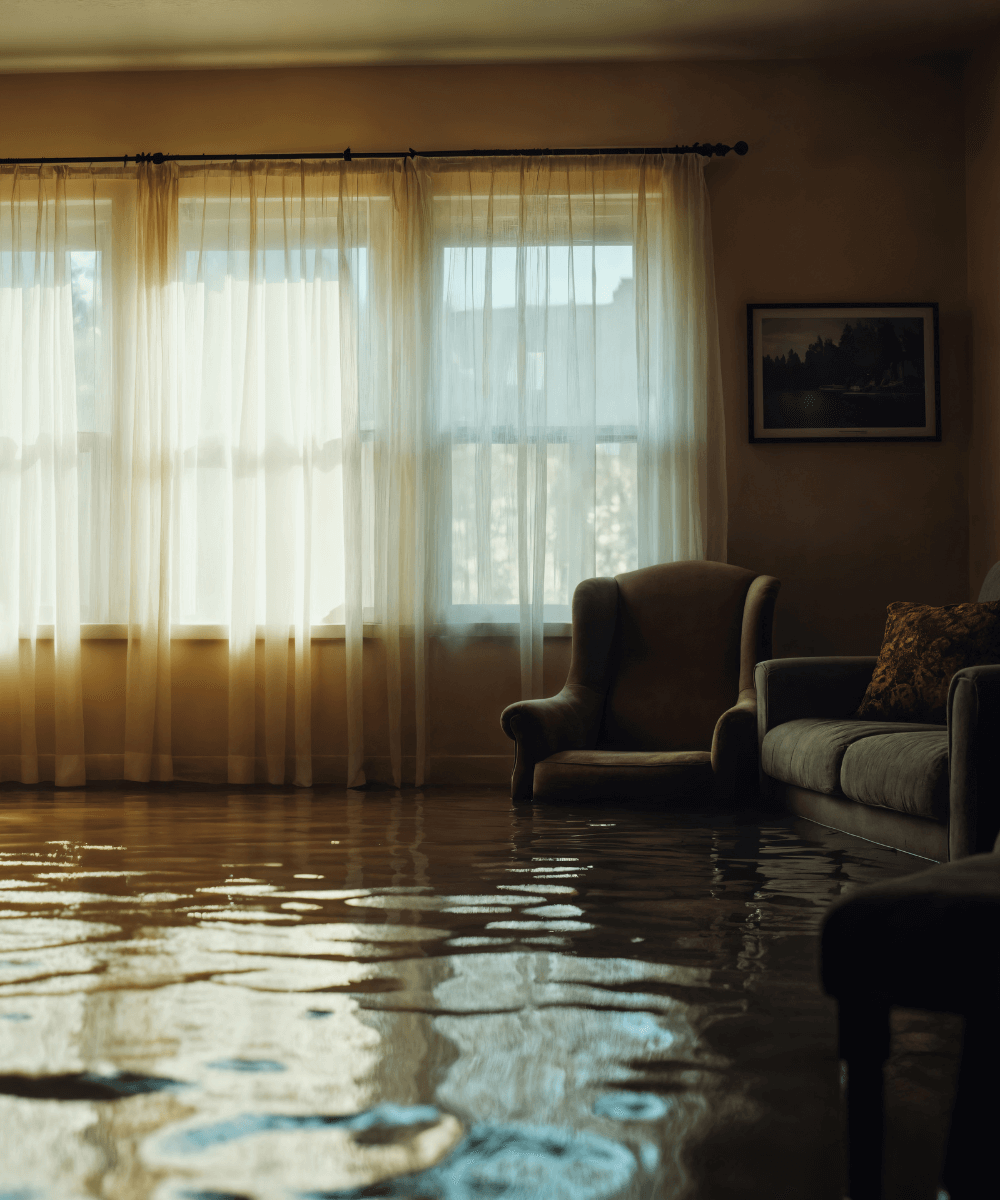
Flooding can strike when you least expect it after heavy rainfall, a burst pipe, melting snow, or even a backed-up drain. In moments like these, panic is natural, but quick, informed action can make a major difference in minimizing damage. While professional water damage restoration is essential for full recovery, there are several DIY steps you can take immediately to protect your home and belongings until help arrives.
If you’re dealing with a flooding emergency in or around Sagle, ID, knowing what to do in the first few hours can save you thousands of dollars in repairs.
1. Put Safety First
Before addressing the water itself, make sure the situation is safe. If floodwater is near electrical outlets, appliances, or your breaker panel, turn off the electricity to the affected area only if you can do so safely. Never walk through standing water if you suspect live electrical currents.
If the flooding is caused by a plumbing issue, shut off your home’s main water supply right away. This simple step can prevent additional water from entering your home and worsening the damage.
2. Stop the Water Source (If Possible)
Identifying and stopping the source of flooding is critical. Common causes include:
- Broken or leaking pipes
- Overflowing toilets or sinks
- Malfunctioning appliances like washing machines or water heaters
If you can temporarily stop the water by tightening a valve, turning off the supply, or placing a container to catch drips you’ll reduce the amount of water that needs cleanup later.
3. Remove Standing Water Quickly
Time is your biggest enemy during a flood. Standing water can soak into floors, walls, and furniture within minutes. Use whatever tools you have available:
- Wet/dry shop vacs
- Buckets and mops
- Towels and absorbent materials
The faster you remove excess water, the lower the risk of structural damage and mold growth. Even small puddles can lead to big problems if ignored.
4. Move and Protect Belongings
Furniture, rugs, electronics, and personal items should be moved to a dry area as soon as possible. If items are too heavy to relocate, place aluminum foil or wooden blocks under furniture legs to prevent water from wicking upward.
For important documents or photos, gently pat them dry and place them in a well-ventilated area. Avoid using heat sources like hair dryers, which can cause warping or additional damage.
5. Improve Airflow and Drying
Once visible water is removed, focus on drying the affected area. Open windows and doors if weather permits, and use fans to increase air circulation. Dehumidifiers are especially helpful for pulling moisture from the air and preventing mold growth.
Remember, moisture can hide behind walls and under flooring. Even if surfaces feel dry, water damage may still be present below.
6. Clean and Disinfect Affected Areas
Floodwater often contains bacteria, dirt, and contaminants especially if it comes from sewage backups or outdoor flooding. Wear gloves and disinfect hard surfaces using appropriate cleaning solutions.
Avoid mixing cleaning chemicals, and never use bleach and ammonia together. Porous materials like carpets, padding, and drywall may need professional evaluation to determine whether they can be saved.
7. Know When to Call the Professionals
DIY fixes are helpful for immediate response, but they are not a replacement for professional water damage restoration. Hidden moisture can lead to mold, structural rot, and long-term health issues if not properly addressed.
This is where Insight Restoration, the leading water damage restoration company in Sagle, ID, becomes essential. Their trained technicians use advanced equipment to detect hidden moisture, fully dry affected areas, and restore your home safely and efficiently.
If you’re unsure whether water damage has spread beyond what you can see or if the flooding was significant calling a professional right away can prevent costly repairs later. Homeowners in Sagle trust Insight Restoration for fast response, expert service, and reliable results. You can reach them directly at 208-427-2534 for immediate assistance during a flooding emergency.
8. Document the Damage
Before cleanup is complete, take photos and videos of affected areas for insurance purposes. This documentation can help support your claim and ensure you receive proper coverage for repairs and restoration.
Final Thoughts
Flooding emergencies are stressful, but quick action can make a world of difference. By prioritizing safety, removing water promptly, protecting your belongings, and improving drying conditions, you can reduce immediate damage. Still, professional restoration is key to ensuring your home is truly safe and dry.
For homeowners in Sagle, ID, having a trusted local expert makes all the difference. When flooding strikes, Insight Restoration is ready to help restore your home and your peace of mind. If disaster hits, don’t hesitate to call 208-427-2534 and get expert help when it matters most.
FAQ
1. What should I do first if my home starts flooding?
Your first priority should be safety. Turn off electricity to affected areas if it’s safe to do so and shut off the main water supply if the flooding is caused by plumbing. Once safe, begin removing standing water and contact a professional restoration company.
2. How quickly does water damage get worse?
Water damage can worsen within minutes. Water seeps into floors, walls, and furniture rapidly, and mold can begin growing within 24–48 hours if moisture isn’t properly removed.
3. Can I handle water damage cleanup myself?
You can take immediate steps like removing standing water and drying visible surfaces, but DIY efforts rarely address hidden moisture. Professional water damage restoration is necessary to prevent mold and structural issues.
4. How do I know if water is trapped behind walls or under floors?
Signs include musty odors, warped flooring, bubbling paint, or persistent dampness. Professionals use moisture meters and thermal imaging to detect hidden water that homeowners can’t see.
5. Is floodwater dangerous?
Yes. Floodwater may contain bacteria, sewage, chemicals, and debris. Direct contact can pose health risks, so protective gear and proper disinfection are important.
6. How long does professional water damage restoration take?
The drying and restoration process typically takes 3–7 days, depending on the extent of the damage. Severe flooding may require additional time for repairs and reconstruction.
7. Will my homeowner’s insurance cover water damage?
Coverage depends on the cause of the flooding and your policy. Sudden issues like burst pipes are often covered, while flood-related damage may require separate flood insurance. Always document damage and contact your insurance provider promptly.
8. Can water damage lead to mold problems?
Yes. If moisture is not fully removed, mold can start growing within 24–48 hours. Mold can spread quickly and cause health concerns, making professional drying and remediation essential.
9. When should I call a water damage restoration company?
You should call immediately if there is standing water, soaked carpets or walls, sewage involvement, or if the source of water is unclear. Early professional intervention helps reduce long-term damage and repair costs.
10. Why should I choose Insight Restoration for water damage emergencies?
Insight Restoration is the leading water damage restoration company in Sagle, ID, known for fast response times, advanced drying equipment, and expert technicians. For immediate help during a flooding emergency, homeowners can call 208-427-2534 for reliable and professional service.