
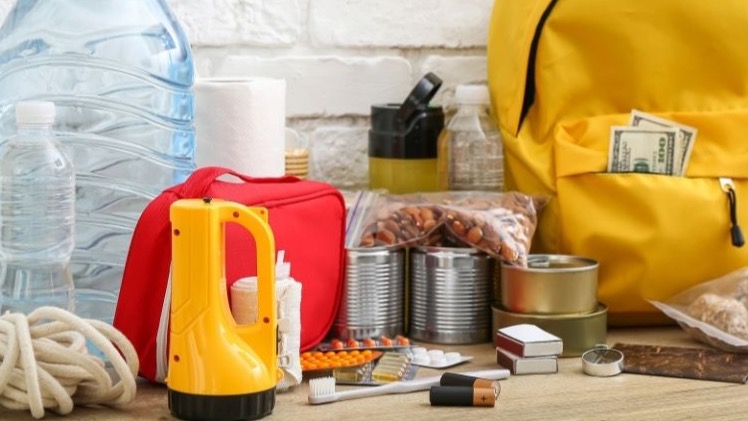
No one expects a disaster to interrupt their daily routine, but these events are called emergencies precisely because they most often happen without warning. A house fire, a burst pipe, a severe winter storm, flooding, earthquakes, and other unexpected events can force families to have to leave their homes with very little notice. While no one can prevent every emergency, having a well-stocked emergency kit and a household preparedness plan can make a significant difference during those critical first hours.
At Insight Restoration, we provide 24/7 emergency disaster response, restoration, and reconstruction services throughout Sagle, Sandpoint, Ponderay, Coeur d’Alene, Post Falls, and surrounding communities across Bonner, Boundary, and Kootenai Counties. With more than 50 years of combined restoration experience, we’ve seen firsthand how forethought and preparation can help families respond more safely and recover more quickly after a disaster. Building an emergency kit is one of the simplest — and most important — steps every household can take.
Why Every Home Needs an Emergency Kit
Disasters are always a possibility, and some even give you a little advance notice, such as a severe storm in the forecast. But just because you know they are always a risk does not mean you are prepared when a disaster lands at your doorstep.
For example, a house fire may require immediate evacuation; a winter storm could leave your family without power for several days; and flooding or a burst pipe may make portions or all of your home temporarily uninhabitable.
If you have an emergency kit already prepared and ready to grab ahead of time, it can provide your family with the supplies you need to remain safe and self-sufficient during the first 72 hours after an emergency hits, when access to stores, utilities, or emergency services may be limited. In addition, having necessary supplies organized and available and a disaster plan in place also reduces stress during an already difficult situation, enabling you to think more clearly and act intentionally.
Start with the Essentials
Every emergency kit should contain enough supplies to support everyone in your household for at least three days. Start with these basics:
- At least one gallon of drinking water per person, per day, for three days
- Three days’ worth of nonperishable food for each family member
- A complete first-aid kit
- Prescription medications and essential medical supplies
- Flashlights, camp lights, or headlamps and extra batteries
- A battery-powered or hand-crank emergency radio
- An emergency whistle to signal for help if necessary
- Your phone and a portable power bank
If possible, include a portable water filtration device or purification tablets as an additional safeguard if clean drinking water becomes unavailable. Remember to inspect your supplies on a regular schedule and replace expired food, water, batteries, and medications.
Don’t Forget Personal Items
Every family has unique needs, so your emergency kit should reflect your household. Consider including:
- Eyeglasses or contact lens supplies
- Personal hygiene products
- Infant formula, bottles, and diapers
- Pet food and supplies
- Copies of important documents in waterproof storage
- Cash in small bills
- Local paper maps in case electronic navigation is unavailable
Children may also benefit from having a favorite toy, book, or comfort item to help reduce anxiety during an emergency.
Be Ready for Winter Emergencies in North Idaho
Living in North Idaho means preparing for more than just fires and floods. Heavy snowfall, freezing temperatures, and winter storms can leave homes without electricity or limit travel for extended periods. For winter emergencies, consider adding winter-specific supplies such as:
- Warm blankets or mylar emergency blankets
- Extra winter clothing
- Hand warmers
- Waterproof gloves
- Ice scraper
- Small snow shovel
- Extra food and water in case travel becomes impossible
If your home relies on backup heating equipment, ensure you also have adequate fuel stored safely and know how to operate the equipment according to the manufacturer’s instructions.
Helpful Extras That Can Make a Big Difference
Once you’ve assembled the basics, consider adding items that provide additional flexibility during unexpected situations. Useful additions include:
- For wildfire smoke, N95 or comparable protective masks
- A quality multi-tool
- Duct tape
- Wind-resistant matches or a lighter stored safely
- Scissors and tweezers
- Plastic sheeting or tarps
- Heavy-duty garbage bags
- Household disinfectant for cleaning surfaces
- Waterproof storage bags
While these items may not be essential, they can become incredibly useful when normal resources are unavailable.
Have a Family Emergency Plan
- An emergency kit is only part of being prepared. Every household should also develop a written emergency plan that everyone understands. Discuss questions such as:
- How will everyone evacuate the home safely?
- Where will family members meet and how will they communicate if separated?
- Who will contact relatives outside the area?
- How will pets be cared for?
- Where are utility shutoff valves located?
- Who will assist elderly family members or those with mobility challenges?
- Practice your evacuation plan periodically so everyone knows what to do before an actual emergency occurs. Stay informed regularly with news updates anytime fires or extreme weather is in your vicinity, and take preliminary steps should you be required to evacuate.
Practice your evacuation plan periodically so everyone knows what to do before an actual emergency occurs. Stay informed regularly with news updates anytime fires or extreme weather is in your vicinity, and take preliminary steps should you be required to evacuate.
Store Your Kit Where You Can Reach It
An emergency kit won’t help if it’s difficult to access when disaster strikes. Choose a location that is:
- Easy for adults to reach quickly
- Known to every member of the household
- Protected from moisture and extreme temperatures
- Organized in portable containers if evacuation becomes necessary
Some families also keep smaller emergency kits in their vehicles, especially during North Idaho’s winter months when road closures and severe weather are always a possibility.
Preparation Today Can Make Recovery Easier Tomorrow
While no one hopes to experience a home disaster, they do happen, and preparing in advance will allow your family to respond with greater confidence and safety. A thoughtfully assembled emergency kit, combined with a well-known and practiced family emergency plan, can make a meaningful difference during the first hours and days following an unexpected event.
Even the best preparation, however, cannot prevent property damage. When fire, flooding, storm damage, burst pipes, or other disasters affect your home, having an experienced restoration partner is just as important as having an emergency kit.
At Insight Restoration, we proudly serve residents of Sagle, Sandpoint, Ponderay, Coeur d’Alene, Post Falls, and neighboring communities across Bonner, Boundary, and Kootenai Counties who experience home disasters. Our certified restoration professionals provide 24/7 emergency response to water damage, fire damage, mold, storm recovery, and complete reconstruction services with integrity, compassion, and above-standard workmanship.
If your home has been damaged by an unexpected disaster, contact Insight Restoration as soon as possible at any time of day or night. Our experienced team is ready to respond quickly, protect your property, and help your family begin the recovery process.