
Winter in North Idaho brings beautiful snow-covered landscapes, cozy evenings by the fire, and extra time spent indoors. Unfortunately, it also brings an increased risk of residential fires.
As temperatures drop, fireplaces, wood stoves, space heaters, generators, and alternative heating sources become part of everyday life. Combined with holiday decorations, increased electrical use, and winter storms, these factors can create conditions where fires are more likely to occur.
At Insight Restoration, we provide 24/7 emergency fire damage restoration, smoke damage cleanup, and reconstruction services throughout Sagle, Sandpoint, Ponderay, Athol, Coeur d’Alene, Rathdrum, Post Falls, and surrounding communities in Bonner, Boundary, and Kootenai Counties. While we’re always ready to help homeowners recover after a fire, we’d much rather help families stay safe by encouraging winter fire preparedness before an emergency occurs.
Use this checklist to prepare your home for the colder months and reduce your risk of suffering from a winter fire disaster.
1. Inspect Fireplaces and Wood Stoves
Nothing says winter like a crackling fire, but fireplaces and wood stoves require regular maintenance to operate safely, and need special attention before being fired up for the first time. Before the heating season begins:
- Have your chimney professionally cleaned and inspected
- Check that the damper opens and closes properly
- Inspect fireplace doors and screens for damage
- Remove excess ash regularly
- Burn only seasoned firewood designed for indoor fireplaces or wood stoves
Creosote buildup inside a chimney is one of the leading causes of chimney fires. Creosote is a mixture of natural chemicals that can build up in your chimney from the burning of wood, and it is highly combustible. Creosote buildup can also clog your chimney flue, pushing smoke and carbon monoxide back into your living space. Annual inspections help identify dangerous conditions before they become serious problems and fire risks.
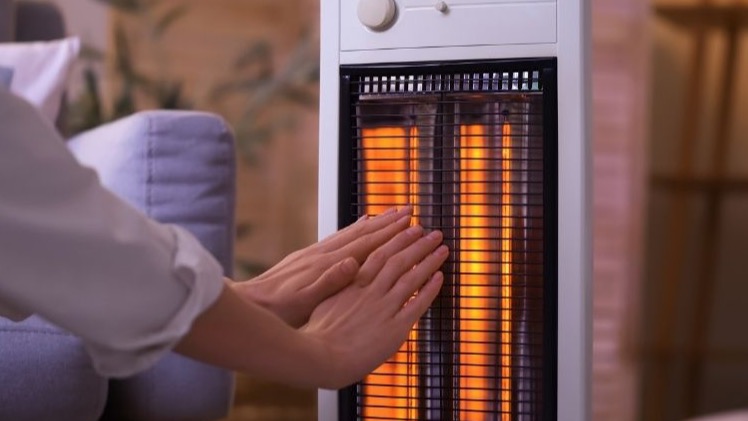
2. Use Portable Heaters Safely
Portable space heaters provide supplemental warmth in cold rooms, but they should always be operated carefully. Choose heaters equipped with important safety features such as:
- Automatic tip-over shutoff
- Overheat protection
- Certified safety testing
Keep every portable heater at least three feet away from:
- Furniture
- Curtains
- Bedding
- Clothing
- Paper products
- Other combustible materials
Never leave a portable heater operating while you are sleeping or away from home. Plug heaters directly into wall outlets whenever possible rather than using extension cords or power strips.
3. Check Your Electrical System
Winter usually places additional demands on a home’s electrical system to keep home heating, space heaters, holiday lighting, heated blankets, lights, and seasonal appliances running. All of those uses can overload circuits if too many devices operate simultaneously. Take time to inspect your home for:
- Frayed electrical cords
- Loose outlets
- Flickering lights
- Frequently tripped breakers
- Warm or discolored outlets
Avoid plugging multiple high-wattage appliances into the same circuit, and turn off lights in rooms you are not using to reduce overall electricity usage. If your home’s electrical system struggles to meet winter demands in the Inland Northwest, consider having it evaluated by a qualified electrician.
4. Test Smoke and Carbon Monoxide Alarms
Working smoke alarms save lives. Every home should have smoke alarms installed:
- On every level
- Outside sleeping areas
- Inside each bedroom whenever possible
Carbon monoxide detectors are equally important, especially during winter when fuel-burning appliances operate more frequently and shut windows and doors reduce the amount of fresh air that circulates in. Make it a habit to:
- Test alarms monthly
- Replace batteries immediately when needed
- Replace older alarm units according to the manufacturer’s recommendations
Never ignore a chirping alarm that indicates a low battery.
5. Practice Safe Heating Appliance Ventilation
Many North Idaho homes rely on natural gas, propane, wood-burning appliances, or alternative heating systems during the winter. For these devices, proper ventilation is essential for both fire prevention and carbon monoxide safety. Be sure to:
- Keep furnace and water heater vents clear of snow and debris
- Never block combustion air vents
- Have furnaces serviced regularly
- Follow manufacturer recommendations for all gas appliances
- Never use ovens or stovetops to heat your home
If you notice unusual odors, soot buildup, or signs that an appliance is not venting properly, discontinue using it and have it inspected promptly. For standard HVAC systems, replace filters regularly to keep air ducts clean and to filter particulates out of the indoor air.
6. Prepare Emergency Heating Sources
Winter storms occasionally bring extended power outages. If you rely on backup heating sources such as propane or kerosene heaters, there is added fire danger. Be sure to:
- Follow all manufacturer instructions
- Use only approved fuel
- Keep heaters away from combustible materials
- Ensure adequate ventilation where required
- Store backup fuel safely
Never use charcoal grills, camp stoves, or outdoor cooking equipment inside your home or garage. These devices create serious fire and carbon monoxide hazards.
7. Store Firewood and Flammable Materials Properly
Firewood should be stored in a dry, covered location to keep it usable throughout the winter.
Whenever possible:
- Keep wood piles away from the home
- Store gasoline, propane tanks, and other flammable materials according to safety recommendations
- Keep combustible materials away from heating equipment
Reducing combustible clutter around your home lowers fire risks and provides firefighters with safer access should an emergency occur.
8. Use Generators Safely During Power Outages
Power loss is a fairly common occurrence in this part of the state, particularly in rural communities where windstorms can knock down trees and power lines. During these times, many people rely on portable generators; however, improper use can be deadly. Always remember:
- Operate generators outdoors only
- Keep generators well away from windows, doors, and vents
- Never operate a generator inside a garage, basement, crawl space, or enclosed porch
- Allow generators to cool before refueling
- Follow all manufacturer operating instructions
- Make sure generators are not hooked up to utility lines when in operation; they can send dangerous backfeed up the line and cause death or injury to utility crews working on downed lines
Proper generator placement reduces fire hazards and carbon monoxide exposure.
9. Keep Your Property Accessible
Heavy snowfall can delay emergency response if firefighters cannot easily access your property. Throughout the winter:
- Keep driveways plowed
- Clear sidewalks and walkways
- Remove snow from around fire hydrants if one is located near your property
- Ensure your house numbers remain visible from the road
These simple steps can save valuable time during an emergency for yourself and your neighbors.
10. Build a Winter Emergency Plan
Preparation goes beyond preventing fires; it also means knowing how to respond if one occurs. Every household should have:
- An emergency evacuation plan with at least two exits from every room
- A designated outdoor meeting location
- An emergency kit containing blankets, bottled water, non-perishable food, flashlights, extra batteries, a first-aid kit, and a battery-powered radio
- A plan for pets and any family members who may require additional assistance
Review the plan with everyone in the household before winter weather arrives, and stay informed about winter storm forecasts that could affect travel or emergency response times.
Prevention Is the Best Protection
While winter in North Idaho is known more for snow than fires, residential fires remain a very real risk during the colder months because of the need to keep our homes warm and operational. A little preparation before the season begins can help reduce fire hazards, protect your family, and provide peace of mind throughout the winter.
However, even with the best precautions, emergencies can still happen. If your home experiences fire, smoke, or water damage, quick action is essential to minimizing further loss. If that happens, Insight Restoration proudly provides 24/7 emergency fire damage restoration, smoke and odor removal, water mitigation, and reconstruction services throughout Sagle, Sandpoint, Ponderay, Coeur d’Alene, Post Falls, and surrounding communities in Bonner, Boundary, and Kootenai Counties.
With more than 20 years of industry experience, always-ready emergency response teams, and a commitment to integrity and above-standard workmanship, we’re here to help restore your home and guide you through every step of the recovery process.
If a winter fire damages your home, don’t face the recovery process alone. Contact Insight Restoration immediately for professional emergency response and complete restoration services. Our experienced team is ready to help you recover safely, efficiently, and with confidence.