
Heavy rain is a fact of life in North Idaho, especially during the spring, fall, and periods of rapid weather changes. While many storms pass without incident, others can leave behind significant damage that isn’t always immediately visible to home or business owners. Water can find its way through compromised roofing, around windows, into basements, and beneath foundations, creating problems that continue long after the rain has stopped.
At Insight Restoration, we provide 24/7 emergency disaster response, restoration, reconstruction, and remodeling services throughout Sagle, Sandpoint, Ponderay, Coeur d’Alene, Post Falls, and surrounding communities in Bonner, Boundary, and Kootenai Counties. Our team has helped homeowners recover from storm-related water intrusion, roof leaks, flooding, and structural damage caused by heavy rains. Many of these losses could have been reduced through routine maintenance and early identification of potential problem areas.
Heavy Rain Can Damage More Than You Expect
When people think about storm damage, they often picture high winds or fallen trees. However, heavy rainfall alone can create serious problems for a home. Even a well-built home has vulnerable areas where water can enter if conditions are right. Once moisture gets inside, it can spread quickly through insulation, drywall, flooring, and structural framing.
Some of the most common issues caused by prolonged or intense rainfall include:
- Roof leaks
- Water intrusion around windows and doors
- Basement or crawl space flooding
- Foundation moisture
- Saturated insulation
- Damaged drywall and flooring
- Mold growth following prolonged moisture exposure
The damage is not always obvious. Water often travels behind walls or beneath flooring before visible signs appear.
Roof Damage Often Goes Unnoticed
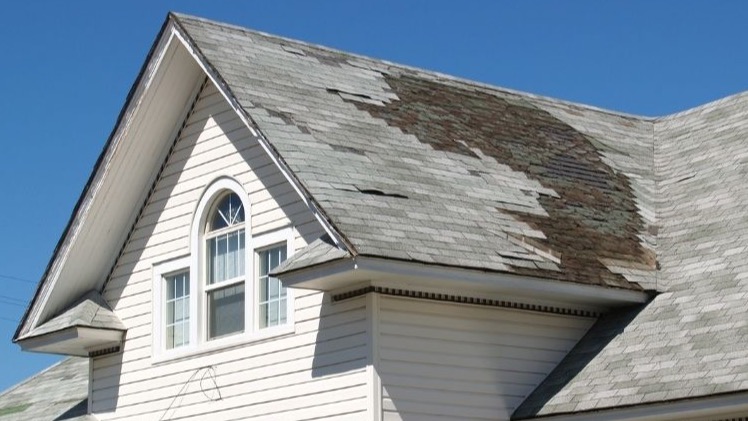
Your roof serves as the first line of defense during a storm, but it doesn’t have to lose shingles to develop a leak. Heavy rain can expose existing weaknesses such as:
- Worn flashing around chimneys or vents
- Aging roofing materials
- Small punctures from branches
- Loose shingles
- Clogged roof drainage systems
Water entering through a small opening may soak attic insulation or travel along roof framing before eventually appearing as a stain on a ceiling. By the time interior damage becomes visible, moisture may have been affecting the home for days or even weeks.
Gutters and Downspouts Play a Bigger Role Than Many Realize
One of the simplest ways to help protect a home from storm damage is by maintaining gutters and downspouts. Leaves, pine needles, and debris can prevent rainwater from draining properly. Instead of flowing away from the home, water may overflow gutters and collect around the foundation or work its way beneath roofing materials. Before the rainy season, homeowners should:
- Clean gutters and downspouts
- Check for gaps and loose or sagging sections
- Ensure downspouts direct water away from the home’s foundation
- Remove debris from roof valleys where water collects
Routine maintenance can help reduce the likelihood of costly water intrusion.
Foundations and Crawl Spaces Are Especially Vulnerable
North Idaho’s changing weather patterns can completely saturate the soil surrounding a home. When the ground becomes oversaturated, hydrostatic pressure increases against foundation walls. Water may eventually seep through small cracks or enter crawl spaces and basements. Signs of foundation-related moisture problems include:
- Damp basement walls
- Standing water in crawl spaces
- Musty odors
- Efflorescence (white mineral deposits on concrete)
- New cracks in foundation walls
Even minor seepage should be investigated and remediated before it develops into a larger (and more expensive) restoration project.
Trees Can Cause Unexpected Storm Damage
Heavy rain can saturate and soften the soil around large trees, making them more susceptible to falling during windy conditions. Large branches or entire trees may damage:
- Roofs
- Siding
- Windows
- Fences
- Garages
- Decks
Even if a tree doesn’t strike the home directly, damaged limbs can puncture roofing materials and create openings for water intrusion. Regular inspection of mature trees on or near your own and neighboring property by local experts can help identify limbs that may pose a risk during severe weather. Trim or remove trees and limbs that pose a significant threat.
Water Damage Gets Worse With Time
One of the biggest mistakes homeowners make after a storm is assuming everything is fine simply because there is no visible standing water or puddling. But moisture hidden behind walls or beneath flooring continues affecting building materials long after the rain has ended. If left untreated, water damage may lead to:
- Warped hardwood flooring
- Swollen cabinetry
- Peeling paint
- Softened drywall
- Structural wood deterioration
- Mold growth
- Poor indoor air quality
The sooner excess moisture is identified and removed, the better chance you have of preserving existing building materials.
What to Do After a Heavy Rainstorm
Once it is safe to go outside, homeowners should perform a careful visual inspection of their property. Look for:
- Missing or damaged shingles or roof tiles
- Water stains on ceilings
- Damp carpeting
- Pooling water around the foundation
- Overflowing or clogged gutters
- Broken tree limbs
- Damaged siding
- Wet areas in crawl spaces or basements
Avoid climbing onto the roof or entering areas that may be structurally unsafe. If you suspect water has entered your home, acting promptly can help reduce secondary damage and make the restoration process more straightforward and less costly.
Restoring Your Home After Storm Damage
Storm recovery usually involves more than simply drying out wet materials. Depending on the extent of the damage, restoration may include:
- Emergency water extraction
- Structural drying and dehumidification
- Removal and replacement of damaged building materials
- Mold remediation when necessary
- Roof and siding repairs
- Interior reconstruction
- Flooring replacement
- Kitchen or bathroom repairs
- Finish carpentry and remodeling
As a full-service restoration contractor, Insight Restoration remains involved from the initial emergency through the reconstruction process, helping homeowners restore the safety and appearance of their homes. When appropriate, reconstruction also provides an opportunity to update or remodel damaged spaces with modern materials and finishes while restoring the home to a habitable condition.
Be Ready Before the Next Storm Arrives
No homeowner can control the weather, but regular maintenance and prompt attention to small problems can go a long way toward preventing major storm damage to your home and other structures on your property. Basic maintenance tasks like cleaning gutters, inspecting your roof, maintaining proper drainage, and addressing minor leaks early can help protect your home when heavy rains arrive — which is at least an annual event in North Idaho.
If your property is damaged despite your best efforts, Insight Restoration is here to help. We proudly serve homeowners throughout Sagle, Sandpoint, Ponderay, Coeur d’Alene, Post Falls, and surrounding communities across Bonner, Boundary, and Kootenai Counties with 24/7 emergency disaster response, water damage restoration, storm damage repair, reconstruction, and remodeling services. We can also provide the documentation needed to support your records following a covered loss.
When heavy rains leave your home with water damage or storm-related repairs, contact Insight Restoration. Our experienced team is committed to restoring your property with integrity, careful craftsmanship, and above-standard service every step of the way.


