
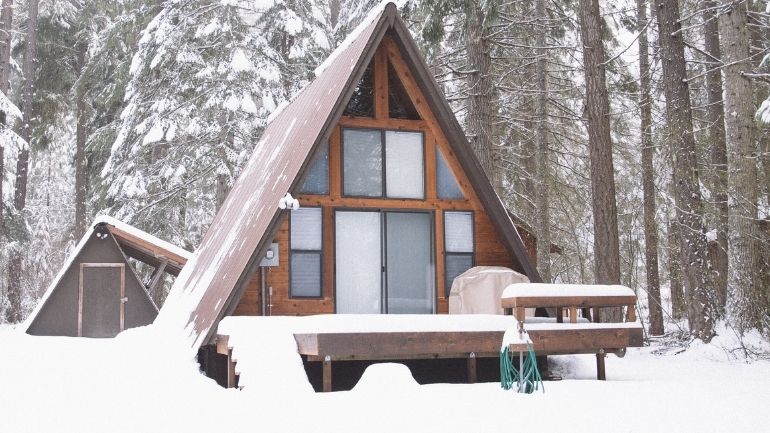
North Idaho winters treat cabins with a kind of blunt honesty. Snow piles up, overnight lows drop hard, and a property that sat quiet all summer can turn into a frozen-pipe problem by January. A little water left in a line is all it takes. That is why so many North Idaho property owners in communities like Sandpoint, Sagle, Coeur d’Alene, and Rathdrum start looking for water damage help right after the first deep freeze.
Insight Restoration helps homeowners in these communities year-round to deal with all types of disasters, from fires and floods to storm damage, with disaster response, damage remediation, and home restoration. Not all damage can be foreseen, but in our experience, the cabins that fare best are the ones that are properly winterized before the cold settles in for good.
A closed-up cabin is not the same as a year-round house. The heat is off. The well pump sits idle. Nobody is there to notice a drip behind a wall. A leak could run for days or weeks before anyone walks through the door, making frozen and burst pipe repair a much bigger job. The goal this fall is simple: get every drop of water out of the system, then keep snowmelt and ice from finding a way inside. Here are some practical tips that can make a difference.
Shut Down the Plumbing the Right Way
Start at the electrical panel. Cut power to the water pump and the hot water tank so nothing tries to run dry later. Close the main water supply valve next. Attach a garden hose to the water heater drain and empty the tank outdoors, away from the foundation. Residual water in pipes is the part that people often miss. Use an air compressor at about 30 to 40 PSI and blow the lines from the highest fixture down. Open every faucet, shower valve, and outdoor tap so pressure can escape and leftover water has somewhere to go.
The well systems and sand-point setups common in Bonner, Boundary, and the more rural areas of Kootenai Counties need extra attention. Drain plugs on the pump and check valve should come out so water can leave those pockets, too. If you are unsure about your particular well, a licensed plumber who knows local cabins is worth the call before the first hard freeze.
Treat Traps, Toilets, and Appliances
Empty lines still leave water sitting in P-traps and toilet bowls. That standing water can freeze, crack the fixture, and send a mess into the floor below. Pour RV-grade or food-grade propylene glycol antifreeze into sink traps, tub drains, and shower stalls. Flush the toilet, sponge or shop-vac the remaining water from the tank and bowl, then add antifreeze to both. Run a short final cycle in the dishwasher and washing machine with antifreeze in the drum so those hidden passages do not split.
Label the fixtures you left open. Next spring you will thank yourself when you are not hunting for a valve that stayed cracked open all winter.
Give the Exterior a Hard Look
Gutters packed with pine needles send melting snow over the fascia and down the siding. Ice dams form the same way and can push water under the roof deck, which is how ceiling leak repair jobs start in February. Clear the gutters and downspouts now. Disconnect, drain, and store every garden hose. A hose left on a bib is a classic North Idaho failure: the bib freezes, cracks internally, and nobody sees the damage until the water is turned back on in May.
Walk the windows and doors. Caulk the gaps that let wind off the lakes and mountains drive cold into the crawlspace, and replace sweeps and seals where needed. That same draft is what freezes supply lines along exterior walls. If the cabin will sit empty, consider asking a neighbor or property checker to look in after big storms. Storm damage restoration is far easier when a loose shingle is found early.
What to Do if Water Still Finds a Way In
Even careful homeowners get surprised. A freeze-thaw swing or a roof leak after heavy snow can leave standing water in a basement or crawlspace. Act fast. Mold can start within a couple of days in a closed, damp cabin. Basement water extraction and flood damage restoration work best when the moisture is pulled out before it soaks the framing, drywall, or insulation.
If you come back to a mess, document what you see with photos and notes before moving too much, and give us a call, as well as your insurance carrier. Insight Restoration does not negotiate directly with insurance companies on your behalf, but our team is happy to provide you with accurate and detailed damage records that you can use and reference when dealing with your insurer. That paperwork matters when the claim involves frozen pipes, sewage backup cleanup, or wider reconstruction.
Insight Restoration handles everything from damage response to full restoration for nearly every type of home disaster, including mold removal and remediation, fire and smoke cleanup, tarp and board work, hoarding cleanup, and construction repairs when the damage has been abated. Being a local business, our knowledge of the area and regional conditions helps.
A winterized cabin is a quieter cabin. When you lock the door in October, you want to come back in the spring to the same floors, the same walls, and a water system that still works. If you want a second set of eyes on a property that already has a leak, or you simply want to talk through what winterizing looks like for your place, contact Insight Restoration to schedule an appointment or explore our full list of services on the website. The earlier you call, the more peace of mind you’ll enjoy while your beloved cabin is out of your sight.


