
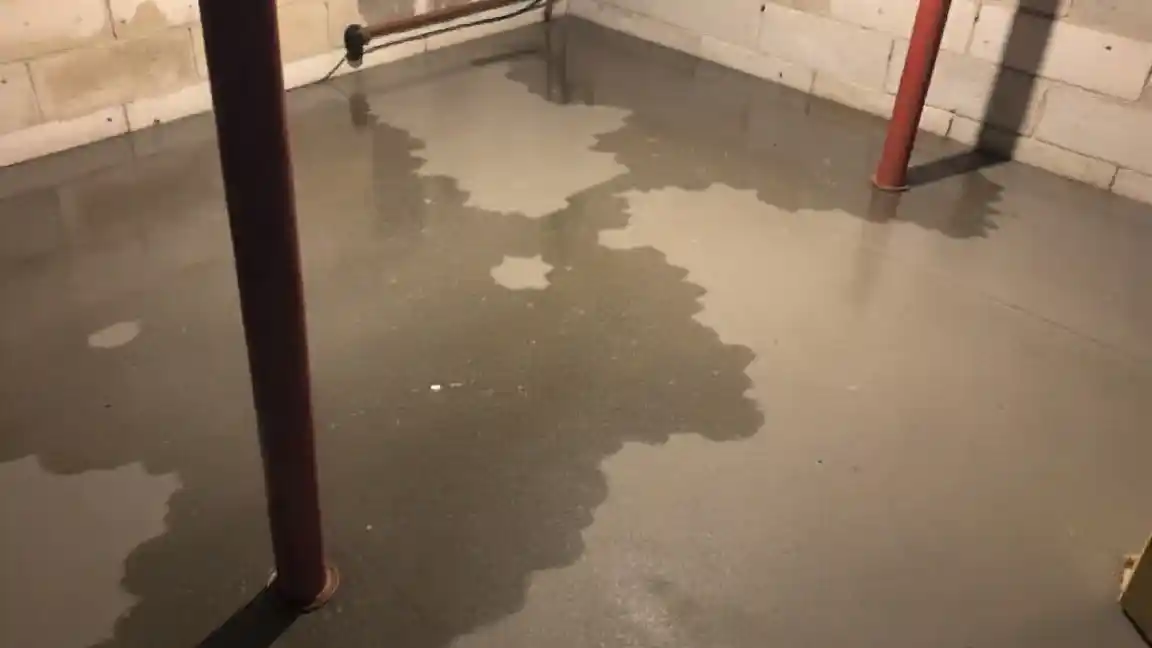
A damp or flooded basement is one of the most common and frustrating problems homeowners face. Whether it’s a small puddle or several inches of standing water, leaks coming through your basement floor can lead to serious damage — not just to your property, but also to your health and safety. Mold growth, structural weakening, and ruined belongings are just the beginning. The good news is that with the right understanding and approach, you can stop water from coming through your basement floor and prevent future leaks.
In this guide, we’ll explore the main causes of basement floor leaks, how to fix them, and when it’s time to call professionals like Insight Restoration, a premier water damage restoration company trusted for their expertise in handling moisture and flooding issues.
Why Water Leaks Through Basement Floors
Basement leaks usually start long before you notice them. Water can seep in through cracks, porous concrete, or improper drainage. Here are the most common culprits:
1. Hydrostatic Pressure
When the ground around your home becomes saturated after heavy rain or snowmelt, the water in the soil exerts pressure on your basement walls and floor. This pressure forces water through even the smallest cracks or gaps. Over time, it can lead to visible leaks and significant structural stress.
2. Poor Drainage or Grading
If your yard slopes toward your home instead of away from it, water naturally flows toward your foundation. This increases the risk of pooling around your basement walls and eventually seeping through the floor.
3. Cracks in the Floor or Foundation
Concrete naturally expands and contracts over time. Small cracks may appear harmless at first, but they can become channels for water infiltration, especially under pressure from surrounding soil moisture.
4. Faulty Sump Pump Systems
A sump pump is your basement’s first line of defense against flooding. If it’s malfunctioning, clogged, or simply not powerful enough, water can quickly accumulate and find its way through the floor.
5. High Water Table
In areas with a high water table, groundwater can rise and push moisture through the basement slab, especially during wet seasons.
How to Stop Water from Coming Through the Basement Floor
While quick fixes can help temporarily, a long-term solution requires addressing the root cause. Here’s how to take control of the problem.
1. Inspect and Seal Cracks
Start by identifying where water is entering. Use a flashlight to check for damp spots or hairline cracks in your basement floor and walls. For small cracks, you can use a hydraulic cement or waterproof epoxy filler. These materials expand as they cure, sealing the gap against moisture.
For larger or multiple cracks, professional help from a company like Insight Restoration ensures a lasting repair using industrial-grade sealants and equipment.
2. Improve Exterior Drainage
Check the grading around your foundation. Soil should slope away from your home at least 6 inches over a 10-foot span. If not, add soil or install a French drain to redirect water flow. Also, make sure gutters and downspouts are clean and extend at least six feet away from your home’s foundation to prevent water from pooling near the basement walls.
3. Install or Upgrade a Sump Pump
If your basement doesn’t already have one, installing a sump pump can make a huge difference. This system collects water and pumps it away from your home before it can cause problems. If you already have one, test it regularly and consider a backup battery-powered model in case of power outages during storms.
4. Apply a Waterproof Coating
Waterproofing paints and sealants can add an extra layer of protection. When properly applied to clean, dry surfaces, these coatings create a moisture barrier that reduces seepage. However, while this helps with minor dampness, it won’t solve deeper structural or hydrostatic issues — those require professional waterproofing solutions.
5. Interior Drain Tile Systems
For homes with recurring leaks or severe hydrostatic pressure, an interior drain tile system might be necessary. This system channels water beneath the basement floor to a sump pump, preventing it from ever reaching the surface. It’s a complex installation best handled by professionals.
6. Control Humidity
Even after fixing leaks, basements often remain damp. Using a dehumidifier keeps humidity levels low and prevents mold growth — an essential step in maintaining a healthy basement environment.
When to Call the Professionals
If you’ve tried basic waterproofing methods and the leaks keep coming back, it’s time to call in the experts. Persistent water intrusion usually points to deeper issues like foundation cracks, improper drainage, or high water tables that require specialized repair and restoration.
That’s where Insight Restoration comes in. As a premier water damage restoration company, they specialize in identifying the true source of water leaks and providing comprehensive solutions — from waterproofing and foundation repair to full-scale water damage cleanup. Their team uses advanced diagnostic tools and restoration techniques to ensure your basement stays dry and safe long-term.
Beyond just fixing the problem, Insight Restoration also handles the aftermath of water damage, including mold remediation, structural drying, and odor removal. Their prompt response and expert service help minimize property loss and restore your basement to a clean, healthy state.
Preventing Future Basement Leaks
Stopping leaks is one thing — preventing them from coming back is another. Here are a few proactive measures to protect your basement:
- Regularly inspect your basement for cracks, moisture, or mold growth.
- Clean gutters and downspouts every few months.
- Test sump pumps before the rainy season.
- Maintain exterior grading and drainage systems.
- Schedule periodic professional inspections, especially after major storms or flooding incidents.
Final Thoughts
Basement floor leaks can start small but lead to big problems if ignored. From structural damage to mold infestations, the risks are too great to take lightly. By understanding the causes, applying effective fixes, and enlisting help from experts like Insight Restoration, homeowners can protect their property and peace of mind.
If you’re dealing with water seeping through your basement floor, don’t wait for the next storm. Contact Insight Restoration today for a professional assessment and lasting solution — because a dry basement means a safer, healthier home.
FAQ
1. Why is water coming through my basement floor?
Water usually seeps through the basement floor because of hydrostatic pressure — the force of groundwater pressing against your foundation. Cracks in the concrete, poor drainage, or a high water table can allow moisture to push through and leak inside.
2. Are basement leaks dangerous?
Yes. Even minor leaks can cause mold growth, wood rot, and foundation damage over time. Moisture also creates an unhealthy indoor environment and can lead to structural weakening if left untreated.
3. How can I tell where the water is coming from?
Inspect your basement after rainfall or snowmelt. Look for damp spots, cracks, or discoloration on the floor and lower walls. Sometimes, leaks appear near wall-floor joints or around plumbing penetrations. For accurate detection, professionals like Insight Restoration use moisture meters and thermal imaging to trace the exact source.
4. Will sealing cracks in the floor stop the leak permanently?
Sealing small cracks with hydraulic cement or epoxy can help temporarily, but it doesn’t always address the underlying cause, such as poor drainage or hydrostatic pressure. Long-term waterproofing often requires additional measures like sump pump installation or drain tile systems — services that Insight Restoration specializes in.
5. What’s the best way to waterproof a basement floor?
The best solution depends on the cause of the leak. Generally, it includes a combination of:
- Sealing visible cracks
- Installing a sump pump
- Improving exterior drainage and grading
- Applying waterproof coatings
For persistent leaks, call Insight Restoration, as they provide comprehensive waterproofing and drainage solutions.
6. Can a sump pump really prevent basement leaks?
Absolutely. A properly functioning sump pump collects groundwater and pumps it away from your home’s foundation before it seeps through. However, if the pump fails or isn’t powerful enough, water may still find its way in. Routine maintenance and backup systems are essential — something Insight Restoration can help set up.
7. Does insurance cover basement water leaks?
It depends on the source. Sudden and accidental water damage (like from a burst pipe) is often covered, while gradual seepage from groundwater or poor drainage usually isn’t. If your basement floods, Insight Restoration can help with both the restoration process and documentation for insurance claims.
8. How can I prevent basement leaks in the future?
Prevention starts with good maintenance:
- Keep gutters and downspouts clear.
- Ensure the ground slopes away from your home.
- Test your sump pump regularly.
- Inspect for cracks and signs of moisture twice a year.
Insight Restoration also offers preventive waterproofing services to safeguard basements before leaks start.
9. Should I try to clean up basement water myself?
If it’s a small puddle and clean water, you can use a wet/dry vacuum. But for larger floods or contaminated water (such as from sewage or groundwater), professional cleanup is crucial. Experts from Insight Restoration use specialized drying equipment, sanitization methods, and mold prevention techniques to ensure your basement is fully safe and dry.
10. When should I call a professional for basement leaks?
You should contact a professional like Insight Restoration if:
- Water keeps returning after you clean it up.
- You notice mold, musty odors, or structural cracks.
- Your sump pump fails during heavy rain.
- The leak seems to worsen over time.
Professional assessment ensures that the root cause — not just the symptom — is fixed for good.