
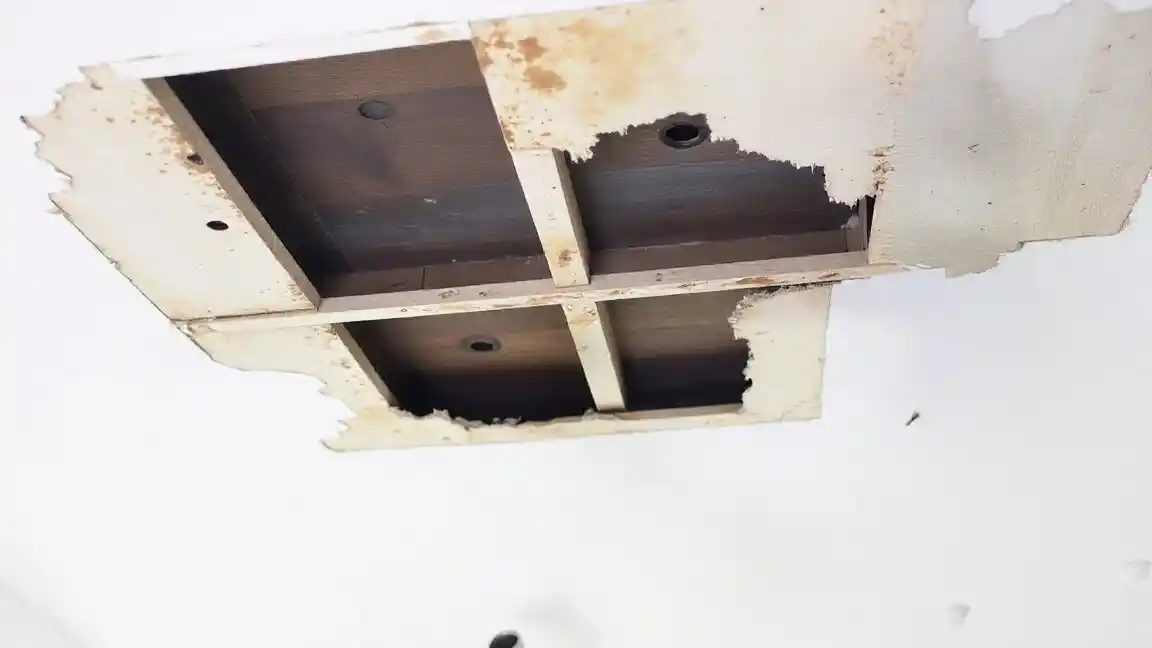
A leaking ceiling can turn from a small nuisance into a major household disaster if not handled quickly. Whether it’s a slow drip from condensation or a sudden burst from a broken pipe, ceiling leaks can damage your walls, insulation, and even your home’s structural integrity. Knowing how to spot, stop, and repair a ceiling leak can save you time, money, and stress.
In this guide, we’ll walk you through how to repair a ceiling leak—and explain when it’s time to call in the professionals at Insight Restoration, your trusted partner in water damage restoration.
Step 1: Identify the Source of the Leak
First things first. Before you grab your tools, you must figure out where the water is coming from. Ceiling leaks can originate from several sources:
- Roof leaks: Damaged shingles, flashing, or clogged gutters may allow rainwater to seep inside.
- Plumbing leaks: A broken pipe, loose connection, or overflowing bathtub upstairs could be the culprit.
- Condensation: Poor insulation around HVAC ducts can cause moisture buildup that drips down.
To trace the source, inspect the area above the ceiling. If it’s directly under a bathroom or kitchen, the issue may involve plumbing. If it’s near an exterior wall or attic, you might have a roof leak.
If you are unable to find the source, it’s best to call professionals like Insight Restoration. Their technicians use advanced moisture detection tools and infrared cameras to pinpoint the leak’s origin without causing unnecessary damage.
Step 2: Contain the Leak
Once you locate the leak, your next priority is to minimize damage.
- Move furniture and electronics away from the affected area.
- Place a bucket or container under the leak to catch dripping water.
- Puncture a sagging ceiling bubble if one forms. This might seem counterintuitive, but it prevents the water from spreading and collapsing a larger section of drywall. Use a screwdriver to make a small hole at the lowest point of the bulge and let the water drain into a bucket.
This step is about damage control—limiting the impact until you can make repairs.
Step 3: Stop the Water Source
If the leak is caused by a plumbing issue, shut off the water supply immediately. For roof leaks, use a tarp as a temporary fix if it’s safe to access your roof.
Keep in mind that stopping the visible water doesn’t always mean the problem is solved. Hidden moisture can remain inside your ceiling and walls, promoting mold growth and structural decay. That’s why Insight Restoration emphasizes professional drying and dehumidification services. Their state-of-the-art equipment ensures that every trace of moisture is eliminated, protecting your home from long-term damage.
Step 4: Dry Out the Area
Proper drying is crucial. Use fans and dehumidifiers to remove moisture from the air and ceiling. Keep the area ventilated for at least 48 hours.
However, home fans are often not enough for significant leaks. Moisture can get trapped inside insulation and framing, which may lead to mold within 24 to 48 hours. Professional restoration experts like Insight Restoration use industrial-grade dehumidifiers, air movers, and moisture meters to ensure deep drying and prevent future mold outbreaks.
Step 5: Remove Damaged Materials
Once the area is dry, assess the damage:
- Ceiling drywall: If it’s soft, stained, or warped, it will need to be replaced.
- Insulation: Wet insulation loses its effectiveness and can harbor mold; remove and replace it.
- Paint: Peeling or bubbling paint must be scraped off before repainting.
Be sure to wear protective gear when removing damaged materials, especially if there’s a chance of mold growth. Insight Restoration can assist with safe mold remediation, ensuring that contaminated areas are properly sanitized and sealed.
Step 6: Repair the Ceiling
After removal and cleanup, it’s time to repair the ceiling:
- Patch the hole or damaged section: Cut out the affected drywall and replace it with a new piece.
- Tape and mud the joints: Use drywall tape and joint compound to create a smooth finish.
- Sand, prime, and paint: Once the patch is dry, sand it down, apply a primer to block stains, and repaint to match your ceiling.
If your ceiling texture is unique (like popcorn or swirl patterns), consider hiring a professional to ensure a seamless look.
Step 7: Prevent Future Leaks
Prevention is key to avoiding another ceiling leak. Here are some tips:
- Inspect your roof regularly for missing shingles or damaged flashing.
- Clean gutters to prevent water from backing up under the roof.
- Insulate pipes and ducts to reduce condensation.
- Monitor your plumbing for drips and corrosion.
- Have regular maintenance inspections by professionals.
Insight Restoration offers comprehensive water damage assessments and maintenance services. Their team not only repairs the damage but also helps homeowners identify and mitigate potential risks before they turn into costly problems.
When to Call the Professionals
While small leaks can sometimes be managed on your own, more severe or recurring leaks require expert intervention. You should call Insight Restoration if:
- The source of the leak is unclear or inaccessible.
- You notice mold, mildew, or musty odors.
- The ceiling is sagging or showing structural damage.
- The water damage covers a large area or multiple rooms.
With years of experience in water damage restoration, leak repair, and mold remediation, Insight Restoration’s certified technicians respond quickly and efficiently to restore your home to its pre-damage condition.
Final Thoughts
A ceiling leak is never something to ignore—it’s a sign of a deeper problem that needs immediate attention. By acting quickly to locate the source, contain the water, and dry out the area, you can reduce costly repairs. And when in doubt, trust the professionals at Insight Restoration to handle the situation with expertise and care.
With their advanced technology, rapid response, and commitment to quality, Insight Restoration is the go-to company for homeowners seeking peace of mind after water damage.
FAQ
1. What causes a ceiling leak?
A ceiling leak can result from several issues, including roof damage, plumbing leaks, condensation buildup, or clogged gutters. The source isn’t always directly above the visible water spot — water can travel along beams or pipes before dripping through the ceiling. If you’re unsure of the cause, professionals like Insight Restoration use advanced moisture detection equipment to accurately locate the leak’s origin.
2. How can I tell if a ceiling leak is serious?
If the ceiling is sagging, bulging, or dripping continuously, the leak is serious and needs immediate attention. Stains, mold growth, and musty odors are also warning signs of hidden damage. Even small leaks can lead to mold infestations and structural issues if ignored. It’s best to call Insight Restoration early to prevent more extensive repairs later.
3. Should I poke a hole in my ceiling if it’s bulging with water?
Yes — carefully. If water collects in a bubble or sag, use a screwdriver to puncture a small hole at the lowest point so it can drain into a bucket. This helps prevent a full ceiling collapse. However, make sure you’ve contained the area and identified the water source. If you’re not comfortable doing this, call Insight Restoration, and their emergency team can safely manage it for you.
4. How long does it take to repair a ceiling leak?
The timeline depends on the extent of the damage and whether the leak source is easy to access. Small repairs might take a day or two, but major water damage requiring drying, insulation replacement, and ceiling restoration can take three to five days. Insight Restoration offers fast response times and uses industrial drying equipment to speed up recovery safely.
5. Will a ceiling leak cause mold?
Yes, if the area stays damp for more than 24 to 48 hours, mold can begin to grow. Mold spores thrive in moist environments like wet drywall, insulation, and wood framing. Insight Restoration provides expert mold remediation and dehumidification services to ensure your ceiling and surrounding materials are completely dry and sanitized.
6. Can I repair a ceiling leak myself?
You can perform temporary fixes — such as placing a bucket, turning off the water source, and drying small wet spots. But unless you’re experienced in plumbing or roofing, it’s best to call a professional. DIY repairs often address the symptom (the stain or hole) but not the root cause. Insight Restoration offers comprehensive solutions that include leak detection, drying, repair, and prevention.
7. How much does it cost to fix a ceiling leak?
Costs vary based on the cause and severity of the damage. A minor patch may cost a few hundred dollars, while extensive water damage involving ceiling replacement, insulation, and mold removal can reach several thousand. The good news is that Insight Restoration works with most insurance providers to simplify claims and minimize out-of-pocket costs for homeowners.
8. Will my homeowner’s insurance cover ceiling leak repairs?
In many cases, yes. If the leak is caused by a sudden or accidental event (like a burst pipe or storm damage), insurance typically covers the repair and restoration. However, leaks caused by neglect or wear and tear may not be covered. The team at Insight Restoration can assist you in documenting damage and working with your insurance adjuster to ensure a smooth claims process.
9. How can I prevent future ceiling leaks?
Regular maintenance is key. Inspect your roof, plumbing, and gutters at least twice a year. Ensure your attic and ceilings are well insulated to prevent condensation buildup. Consider scheduling periodic moisture inspections with Insight Restoration, as their technicians can detect small leaks and humidity problems before they turn into major issues.
10. When should I call a professional for a ceiling leak?
You should contact a restoration specialist immediately if:
- The leak’s source is unclear or persistent
- Water damage spreads beyond one area
- Mold or mildew appears
- The ceiling is soft, sagging, or discolored
Insight Restoration offers 24/7 emergency response for water damage and ceiling leaks. Their certified technicians will quickly assess, dry, and restore your ceiling to prevent further structural damage and ensure your home is safe and dry.