
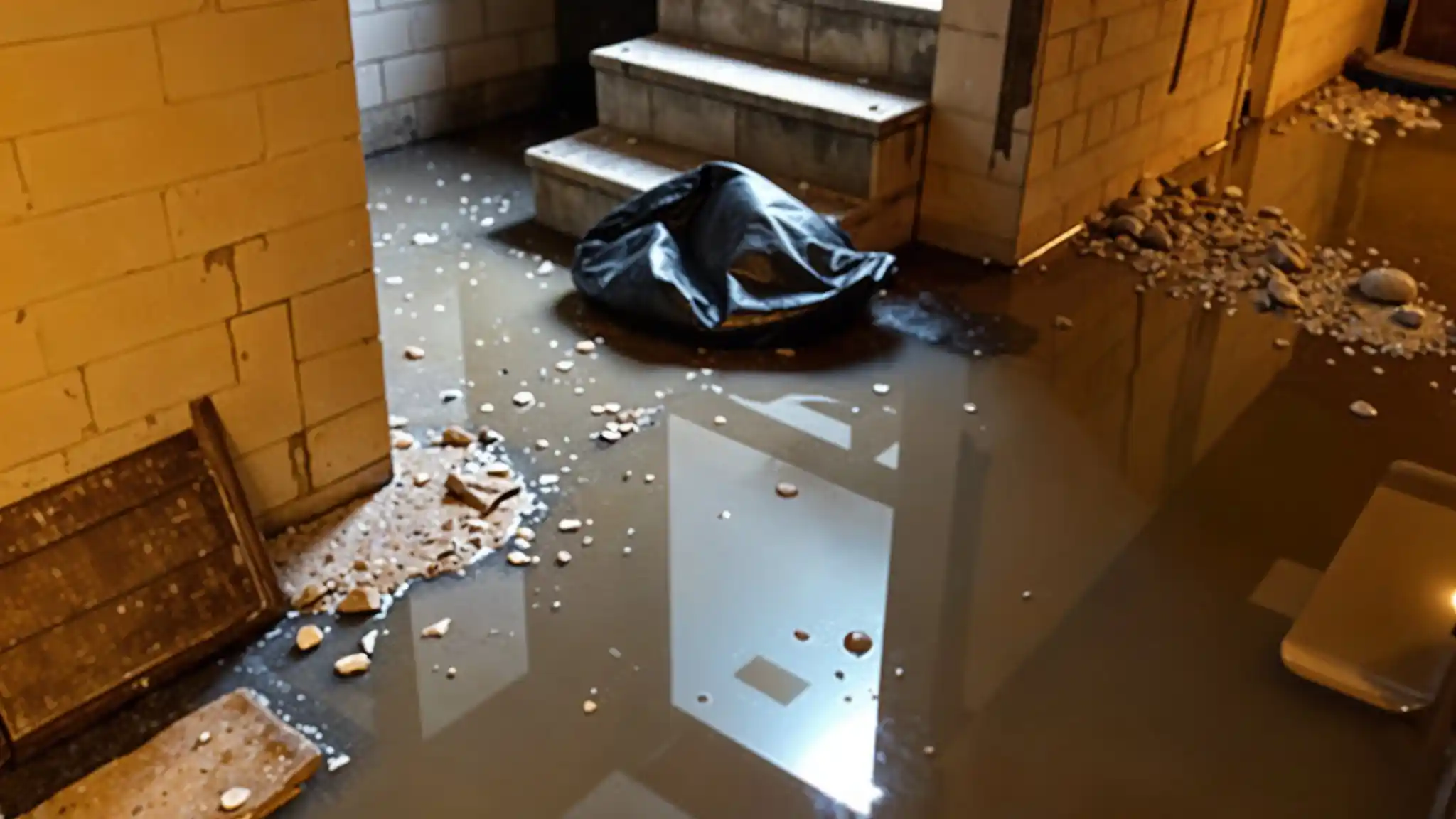
Few situations are as distressing for homeowners as discovering a sewage backup in the basement, bathroom, or yard. Beyond the unpleasant odor and mess, sewage water carries harmful bacteria, viruses, and contaminants that pose serious risks to your health and property. Acting quickly—and correctly—can make all the difference in minimizing damage and ensuring a safe recovery.
At Insight Restoration, a premier water damage restoration company, we’ve helped countless homeowners recover from sewage disasters with expertise, precision, and compassion. Here, we’ll walk you through essential steps and professional tips for effective sewage backup cleanup to protect your home and your health.
Understanding What Causes Sewage Backups
Sewage backups occur when wastewater cannot properly flow through your home’s drainage system. Common causes include:
- Clogged or collapsed pipes – Grease buildup, debris, or aging pipes can cause blockages that push wastewater back into your home.
- Tree root intrusion – Roots can break into underground sewer lines, restricting flow and leading to backups.
- Heavy rainfall or flooding – Municipal systems can overflow during severe storms, forcing contaminated water into residential lines.
- Sump pump or septic system failure – Poorly maintained or overloaded systems can result in backflow into your home.
Understanding the cause helps professionals like those at Insight Restoration develop a targeted cleanup and prevention plan.
Step 1: Prioritize Safety First
Sewage water—also known as “black water”—contains pathogens such as E. coli, salmonella, and hepatitis A virus. Direct exposure can cause infections or illness, so safety is the top priority.
Before doing anything:
- Evacuate anyone vulnerable (children, elderly, pets) from affected areas.
- Turn off electrical power to prevent electrocution risks, especially if water has reached outlets or appliances.
- Avoid contact with contaminated materials unless you’re wearing protective gear (rubber gloves, boots, goggles, and N95 mask).
Professionals like Insight Restoration come equipped with industrial-grade protective equipment and advanced cleaning tools, ensuring no health risks to you or your family.
Step 2: Stop the Source and Contain the Damage
Once you’ve ensured everyone’s safety, the next step is to stop the flow of sewage. If the backup originates from a specific fixture (like a toilet or sink), shutting off your home’s main water supply can prevent further contamination. Avoid flushing toilets, running sinks, or using washing machines until the issue is resolved.
To contain the mess:
- Use plastic sheeting or barriers to prevent sewage water from spreading.
- Keep unaffected rooms sealed off.
- Avoid walking through contaminated areas, as this spreads bacteria throughout your home.
If you’re unsure where the backup originated, call professionals immediately. Insight Restoration’s emergency response team is available 24/7 to assess the situation and begin mitigation.
Step 3: Begin the Cleanup Process
Sewage cleanup is not a simple DIY project. Professional restoration ensures that all contaminants are removed, surfaces are disinfected, and hidden damage is addressed.
Here’s what a professional cleanup process typically includes:
- Extraction of contaminated water – Using specialized pumps and wet vacuums, all standing water is safely removed.
- Removal of damaged materials – Porous materials like carpet, insulation, and drywall are often unsalvageable and must be discarded.
- Deep cleaning and sanitization – Industrial disinfectants eliminate bacteria and viruses from all affected surfaces.
- Drying and dehumidification – High-powered air movers and dehumidifiers ensure complete drying to prevent mold growth.
- Air purification – HEPA filters and ozone treatments help remove lingering odors and airborne contaminants.
With advanced technology and trained technicians, Insight Restoration restores your home efficiently while ensuring compliance with health and safety standards.
Step 4: Disinfect and Prevent Mold Growth
Even after visible sewage is removed, moisture can linger in walls and flooring. This creates an ideal environment for mold growth, which can begin within 24–48 hours.
To prevent this:
- Keep the affected area ventilated with fans and dehumidifiers.
- Disinfect all hard surfaces, even those not directly touched by sewage water.
- Monitor humidity levels—aim to keep indoor air below 50% relative humidity.
Insight Restoration uses thermal imaging and moisture meters to detect hidden dampness, ensuring no area is left untreated.
Step 5: Dispose of Contaminated Materials Safely
Improper disposal can reintroduce contaminants into your home. Bag and seal any contaminated materials (such as carpet padding, clothing, or debris) before disposal. Do not attempt to launder heavily soiled fabrics—these are best discarded.
A professional restoration company handles biohazard waste disposal according to local regulations, protecting your home and the environment from further contamination.
Step 6: Prevent Future Sewage Backups
Prevention is key to avoiding costly and hazardous sewage disasters. Consider these proactive measures:
- Install a backwater valve to prevent municipal sewage from flowing into your home.
- Schedule routine plumbing inspections to catch early signs of blockages or pipe damage.
- Avoid flushing non-degradable items such as wipes, feminine products, or grease.
- Maintain your septic system through regular pumping and inspection.
Insight Restoration also offers guidance on preventive maintenance and can refer trusted plumbing professionals for long-term protection.
Why Choose Insight Restoration?
Sewage cleanup requires more than just removing dirty water—it demands expertise, health-conscious methods, and compassionate care. As a leading water damage restoration company, Insight Restoration is dedicated to restoring not only your home but also your peace of mind.
Their team of certified technicians uses advanced drying systems, antimicrobial treatments, and proven decontamination techniques to make your property safe and livable again. With 24/7 emergency response and years of experience handling sewage, flood, and water damage, Insight Restoration ensures every detail is handled with precision and professionalism.
Final Thoughts
A sewage backup is an overwhelming experience, but with prompt action and professional help, you can minimize its impact on your home and health. Always prioritize safety, call for expert assistance, and take preventive measures to protect your property from future incidents.
When disaster strikes, Insight Restoration is your trusted partner for thorough, safe, and efficient sewage cleanup—helping you reclaim your home and restore normalcy with confidence.
FAQ
1. What causes a sewage backup in my home?
Sewage backups usually result from clogged pipes, tree root intrusion, heavy rainfall, or septic system failure. Grease buildup, debris, or flushing non-degradable items can also block drainage lines. Regular plumbing maintenance and installing backflow preventers can help reduce the risk.
2. Is sewage water dangerous to my health?
Yes, sewage water is extremely hazardous. It contains bacteria, viruses, and parasites such as E. coli and Salmonella, which can cause serious infections. Avoid direct contact and never attempt cleanup without protective gear. Always contact professionals like Insight Restoration to handle contaminated water safely.
3. What should I do immediately after a sewage backup?
First, evacuate the affected area and keep children and pets away. Turn off electricity to prevent shocks, stop water usage, and call a certified water damage restoration company like Insight Restoration right away. Quick action limits damage and health risks.
4. Can I clean up a small sewage spill myself?
For very small, contained spills (like a minor toilet overflow), you may be able to clean it using gloves, masks, disinfectants, and proper disposal methods. However, larger backups require professional cleanup. Hidden moisture can lead to mold and lingering bacteria that only professionals can safely remove.
5. How long does sewage backup cleanup take?
The cleanup duration depends on the extent of contamination and property size. Small areas may take one to two days, while large or severely affected areas can take several days for extraction, drying, and sanitization. Insight Restoration provides fast, efficient service to minimize disruption.
6. Will my homeowner’s insurance cover sewage backup cleanup?
Many insurance policies don’t automatically cover sewage backups unless you’ve added a sewer backup endorsement. Check your policy or contact your insurer for details. Insight Restoration can assist with documentation and insurance claims to ensure a smooth recovery process.
7. How can I prevent sewage backups in the future?
Prevent backups by:
- Avoiding flushing wipes, grease, or paper towels.
- Installing a backwater valve.
- Scheduling regular plumbing and septic maintenance.
- Ensuring proper drainage grading around your property.
These preventive steps save money and prevent future health hazards.
8. What are the signs of an impending sewage backup?
Common warning signs include:
- Gurgling drains or toilets.
- Slow water drainage throughout the home.
- Unpleasant odors near drains or basement floors.
- Water pooling around floor drains.
If you notice these signs, contact Insight Restoration immediately for inspection before a full backup occurs.
9. Why should I hire professionals for sewage cleanup?
Professionals like Insight Restoration have the training, equipment, and safety protocols necessary for thorough decontamination. They use industrial-grade disinfectants, moisture meters, and air scrubbers to ensure no bacteria, mold, or odor remains—restoring your home to a safe, livable condition.
10. How soon should I call for help after a sewage backup?
Immediately. Sewage water can start damaging flooring, walls, and furniture within hours, and mold growth can begin in 24–48 hours. Calling Insight Restoration right away ensures rapid response, containment, and professional cleanup to protect your health and property.