
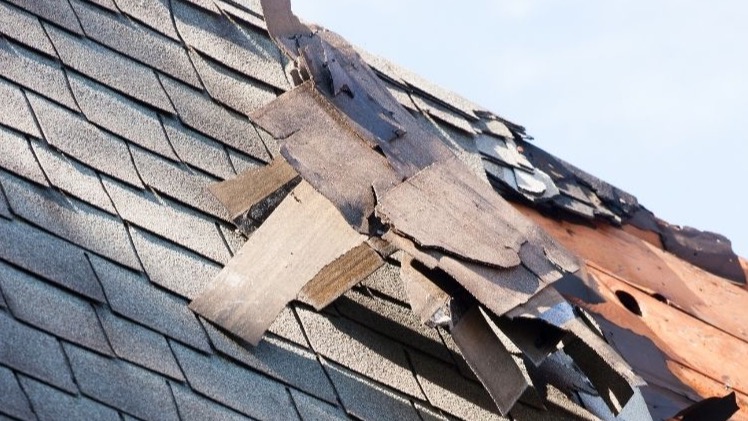
North Idaho is truly beautiful, but its mountainous landscapes and northern latitude location come with a reality that local residents know all too well: severe weather. Powerful windstorms, heavy rain, hail, snow accumulation, and seasonal weather events can cause significant damage to roofs and siding from high-velocity winds, hailstones, and falling trees, leaving properties vulnerable to water intrusion and costly structural problems. Understanding how to respond to storm damage and protect your property afterward can make a substantial difference in both repair costs and long-term building performance.
At Insight Restoration, we provide 24/7 emergency disaster response, storm damage repair, and property restoration services throughout North Idaho, including Coeur d’Alene, Post Falls, Hayden, Rathdrum, and other Kootenai County, Bonner County, and Boundary County communities. Our team is known for integrity, above-standard workmanship, and timely local response when North Idaho property owners need help most.
Why Storm Damage Should Never Be Ignored
After a major storm passes, many property owners conduct a quick visual inspection and assume everything is fine if they don’t experience an interior leak or see obvious exterior damage. Unfortunately, storm damage is often more extensive than you might realize from a superficial inspection. In some cases, people might identify what they assume is a small problem — some missing shingles or a minor drip — and decide to wait until better weather before doing anything about it. Word to the wise: that’s usually a bad call.
A damaged roof or compromised siding system that potentially enables moisture to enter your home’s or business’s building envelope is a problem that needs to be addressed right away. Over even a short amount of time, this moisture may lead to:
- Mold and mildew growth
- Wood rot
- Insulation damage
- Interior water stains
- Structural deterioration
- Increased energy costs
What’s more, what started out as minor damage can get worse from subsequent weather events, turning what was a manageable problem into a major issue. For example, a few missing shingles from a windstorm can create a gap that the next storm winds can more easily catch and tear, leading to the loss of even more shingles or even flashing, creating an opening that leaves your attic vulnerable to rain intrusion. A minor inexpensive afternoon repair can quickly become an expensive major restoration project. To avoid this, be sure to conduct a prompt and thorough inspection following a bad storm. If you’re not handy, give Insight Restoration a call. We can do an inspection and let you know if anything needs attention, and carry out any necessary repairs. Repairing even minor damage is essential for protecting the value and safety of your property.
Common Types of Storm Damage in North Idaho
The Inland Northwest can experience a wide variety of weather conditions throughout the year, and each type of storm presents unique risks to residential and commercial buildings. Here are some of the problems you can encounter:
- Wind Damage: Strong winds can loosen or remove roofing materials, damage flashing, detach gutters, and crack or pull siding away from exterior walls. Wind damage often creates openings that allow water to penetrate the structure during future storms.
- Hail Damage: Hail can bruise, crack, or puncture roofing materials and siding. While some hail damage may appear cosmetic, impacts can weaken structural elements, reduce the lifespan of roofing systems, and create pathways for water infiltration.
- Heavy Rain and Water Intrusion: Extended and heavy rainfall can expose weaknesses in roofs, gutters, drains, siding, windows, and flashing. Water may enter attics, wall cavities, foundations, basements, and crawl spaces, causing hidden damage that continues long after the storm ends.
- Snow and Ice Damage: North Idaho winters place significant stress on roofing systems. Heavy snow loads, ice dams, and repeated freeze-thaw cycles can damage shingles, flashing, gutters, and roof decking.
- Falling Trees and Debris: High winds often bring down tree limbs or entire trees. Impact damage can create immediate structural concerns, requiring emergency tarping, board-up services, and stabilization efforts to prevent further loss. Leaves and pine needles can clog gutters, downspouts, and drains, channeling water into your home instead of away from it.
Signs Your Roof May Have Storm Damage
Some forms of roof damage are obvious, while others are more difficult to identify from the ground. Property owners should remain alert for warning signs after severe weather. Common indicators include:
- Missing, curled, or lifted shingles
- Granules accumulating in gutters
- Visible dents from hail impacts
- Sagging roof sections
- Water stains on ceilings or walls
- Increased attic moisture
- Damaged flashing around vents and chimneys
- Leaks during or after storms
Because some damage may not be visible without a closer inspection, professional evaluation is often recommended after significant weather events.
Signs Your Siding System May Have Storm Damage
While roofs often receive the most attention following a storm, siding plays an equally important role in protecting a structure from the elements. Damaged siding can allow moisture to enter wall cavities where it may remain hidden for weeks or months. This can result in mold growth, wood decay, insulation deterioration, and costly structural repairs. Storm-related siding damage may include:
- Cracks and punctures
- Loose or detached panels
- Warping or buckling
- Impact damage from debris
- Water infiltration behind siding materials
Early repairs help preserve the building envelope and reduce the risk of secondary damage.
What to Do Immediately After Storm Damage
The actions taken during the first hours and days after a storm can significantly affect the recovery process.
- Prioritize Safety: Before inspecting your property, ensure there are no immediate hazards such as downed power lines, unstable trees, or structural damage. If conditions appear unsafe, wait for professionals to assess the situation. If you need to climb up on your roof, stabilize your ladder, wear shoes with good grip, and use a safety harness. If you are not comfortable doing this, use the services of a roofing or restoration professional, particularly if you have a multi-story house.
- Document the Damage: Take photographs and videos of all visible damage. Documentation can be valuable when filing insurance claims and planning repairs.
- Prevent Additional Damage: Temporary protective measures may be necessary to limit further exposure to the elements. Emergency services such as roof tarping and board-up solutions can help secure the property until permanent repairs can be completed.
- Contact a Restoration Professional: A qualified storm damage restoration company can identify hidden damage, develop a repair plan, and help provide documentation for insurance providers when appropriate.
Protecting Your Property Before the Next Storm
While no property can be completely storm-proof, proactive maintenance can reduce the likelihood of suffering severe damage, and prevention is always better than repair. What’s more, you can do preventative work when the weather is clear and when you have time, rather than having to react to a problem in the middle of a storm.
Regular inspections and maintenance of your home can help identify vulnerabilities before they become problems. Property owners should pay particular attention to roofing materials, flashing, gutters, siding, and drainage systems. Routine maintenance may include:
- Replacing damaged shingles
- Repairing loose siding
- Cleaning gutters and downspouts
- Trimming overhanging tree limbs
- Addressing minor leaks promptly
- Inspecting flashing and sealants
Investing in preventative maintenance is usually far less expensive than dealing with extensive storm-related damage later.
Trust Your Local Experts at Insight Restoration When Storms Strike
North Idaho weather can be unpredictable, and storm damage often occurs with little warning. When your roof, siding, or property suffers damage, rapid action can help prevent additional losses and accelerate the recovery process.
Insight Restoration provides emergency storm damage response 24/7, as well as repair, restoration, and reconstruction services throughout Kootenai, Bonner, and Boundary Counties in North Idaho. With more than 50 years of combined industry experience, a commitment to integrity, and a reputation for above-standard workmanship, our team is ready to help restore and protect your property.
If your home or business has suffered storm damage, contact Insight Restoration today for a professional assessment and fast, reliable restoration services. The sooner damage is addressed, the better protected your property will be for the future.