
A water leak in the ceiling is more than just an unsightly inconvenience—it’s a serious warning sign that moisture has found its way into your home. If left unaddressed, even a small leak can lead to mold growth within days, compromising your indoor air quality, damaging your home’s structure, and affecting your health. Mold resulting from water leaks in ceilings is a widespread issue that requires prompt attention and a comprehensive solution.
At Insight Restoration, we understand the urgency of water damage and mold issues. Our team is available 24/7 to help homeowners take swift, effective action.
How Ceiling Leaks Lead to Mold Growth
When water leaks from the ceiling, it typically seeps into drywall, insulation, wooden beams, and ceiling tiles. These materials are porous and retain moisture for extended periods. Mold spores, which are present everywhere in the environment, need just three things to grow: moisture, warmth, and organic material. Once these conditions are met, mold colonies can form within 24 to 48 hours.
Moisture trapped behind ceilings and walls creates a hidden breeding ground where mold can thrive undetected. Often, by the time you notice a musty odor or discoloration, mold may already be well-established behind the surface.
Mold not only damages the structure of your home but also degrades air quality. It releases spores into the air, which can trigger allergies, respiratory issues, and other health problems, especially for those with asthma or compromised immune systems.
Signs of Mold From a Water Leak in the Ceiling
Detecting mold early is crucial to prevent serious structural damage and health risks. Watch for these common warning signs:
- Persistent musty odor in a specific area, especially near or beneath a previously leaking ceiling.
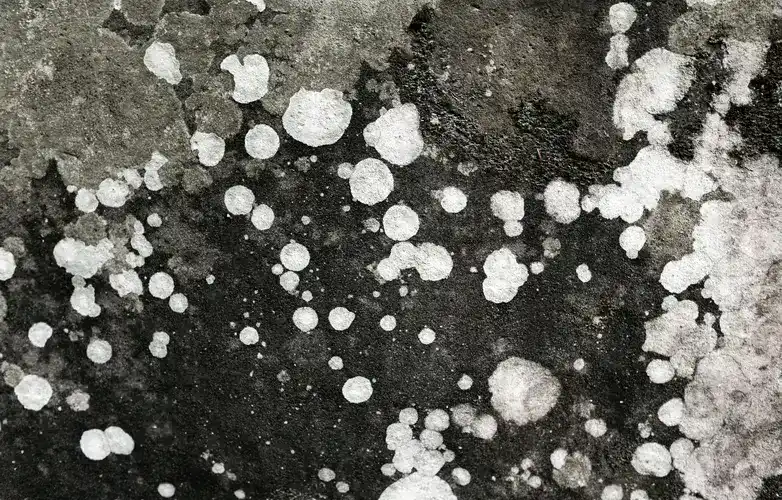
- Visible mold growth, which may appear as black, green, brown, or white patches on ceilings or walls.
- Irregular patterns or spots on painted surfaces, often accompanied by water stains or bubbling paint.
- Soft or damp ceiling texture, indicating moisture trapped behind the surface that may be fueling hidden mold.
- Allergy-like symptoms such as sneezing, coughing, itchy eyes, or worsened asthma when spending time in certain rooms.
If you notice any of these signs, it’s essential to consult a professional like Insight Restoration to assess and address the issue promptly.
What to Do Immediately After Discovering Mold
Once mold is suspected or visible, the first and most important step is to stop the source of the water leak. This might involve patching a hole in the roof, sealing around plumbing fixtures, or fixing a burst pipe. Until the moisture source is addressed, any mold remediation efforts will be temporary and ineffective.
Do not attempt to clean mold yourself using bleach or household cleaners. This often spreads the spores and can worsen the problem. Touching or disturbing mold without proper protection can also release spores into the air, further contaminating your home and putting your health at risk.
Instead, contact a professional restoration company like Insight Restoration. We are equipped with the tools and expertise to safely contain, remove, and remediate mold from ceiling leaks, while also thoroughly drying and restoring the affected areas.
Our Mold Remediation Process
At Insight Restoration, we follow a proven, comprehensive process to safely and effectively eliminate mold:
- 1. Detailed Inspection
We use moisture meters and thermal imaging cameras to identify hidden water damage and mold growth behind ceilings and walls. - 2. Containment Setup
Plastic sheeting and negative air pressure systems are used to isolate affected areas and prevent mold spores from spreading to other parts of your home. - 3. Safe Removal of Contaminated Materials
Saturated or mold-infested drywall, insulation, and ceiling tiles are carefully removed and disposed of according to safety guidelines. - 4. Air and Surface Cleaning
HEPA-filtered air scrubbers and vacuums remove mold spores from the air and surfaces to improve indoor air quality. - 5. Antimicrobial Treatment
We apply professional-grade antimicrobial solutions to all affected surfaces to prevent mold from returning. - 6. Drying and Monitoring
Industrial-grade air movers and dehumidifiers ensure the area is thoroughly dried. Moisture levels are continuously monitored throughout the process. - 7. Restoration and Repairs
Once the area is mold-free and dry, we restore your ceiling by replacing drywall, repainting, and returning it to its pre-damage condition.
With Insight Restoration, you can trust that your home is in expert hands from inspection through full recovery.
Long-Term Risks of Ignoring Mold
Many homeowners are tempted to ignore small ceiling leaks or patches of mold, assuming the problem will resolve itself. Unfortunately, mold does not go away on its own—it spreads. Over time, mold can weaken ceiling joists, cause drywall to crumble, and compromise the structural integrity of your home.
Health effects can become more severe with long-term exposure. In addition to respiratory symptoms, mold exposure has been linked to chronic sinus infections, fatigue, skin rashes, and even neurological issues in sensitive individuals.
The longer you wait, the more expensive and complex mold remediation becomes. Taking action early can save you thousands of dollars in restoration costs and help protect your family’s health.
How to Prevent Mold After a Ceiling Leak
Preventing mold starts with quick response to any water intrusion. Even if the leak seems minor, it’s essential to ensure all affected materials are thoroughly dried. After a leak is repaired, professional drying equipment such as air movers and dehumidifiers should be used to reduce moisture levels.
Regular roof inspections can prevent leaks caused by missing shingles or deteriorated flashing. Keeping gutters clear of debris helps water flow away from your home instead of pooling on the roof. In bathrooms or laundry areas, proper ventilation reduces the risk of condensation and moisture buildup that can lead to ceiling leaks and mold.
Installing moisture sensors or leak detectors in areas prone to water damage—such as under sinks or near HVAC units—can alert you to hidden leaks before they become a problem.
Conclusion
Dealing with ceiling leaks and mold can be stressful and damaging to your home’s structure and your family’s health. Insight Restoration offers expert, comprehensive services to address these issues promptly and thoroughly. From identifying leaks and hidden moisture to safely removing mold and restoring your ceilings, our experienced team ensures your home is safe, dry, and beautiful again. Don’t wait for the problem to worsen—reach out to Insight Restoration anytime for fast, reliable assistance and peace of mind. Your home deserves the best care, and we’re here to provide it.
Don’t wait for mold to spread. Take action today. Call Insight Restoration at (208) 946-9648 for immediate help and expert remediation services. Your health and home depend on it
Frequently Asked Questions About Mold from Ceiling Leaks
1. How soon can mold grow after a ceiling leak?
Mold can begin growing within 24 to 48 hours if moisture is not removed, especially in warm, poorly ventilated areas.
2. Is it safe to stay in my home if there’s mold in the ceiling?
If the mold is localized and exposure is limited, it may be safe temporarily. However, mold can spread quickly and affect your health. It’s best to consult a professional and avoid affected areas.
3. Will homeowner’s insurance cover mold remediation from a ceiling leak?
Many policies cover mold removal if the mold was caused by a sudden and accidental leak. Coverage varies, so check your policy and document all damage.
4. Can I remove mold from the ceiling myself?
DIY mold removal is not recommended. Without proper containment and equipment, you risk spreading spores and causing further damage.
5. What does mold from a ceiling leak look like?
It often appears as black, green, or brown patches, sometimes with a fuzzy texture. It may be accompanied by water stains or peeling paint.
6. How do you test for hidden mold in the ceiling?
Professionals use moisture meters, infrared cameras, and sometimes air quality testing to detect hidden mold.
7. What happens if mold is left untreated in the ceiling?
It can spread to other areas, damage structural components, and cause serious health issues over time.
8. Can mold return after it’s removed?
If the source of moisture isn’t fully addressed, mold can return. Proper remediation includes moisture control and prevention.
9. How long does mold removal take?
Depending on the extent, remediation may take anywhere from one day to a week or more, especially if reconstruction is required.
10. Why choose Insight Restoration for mold removal?
We offer fast response, expert mold remediation, full restoration services, and support with insurance claims. We treat your home with care and get it back to safe, livable condition.