
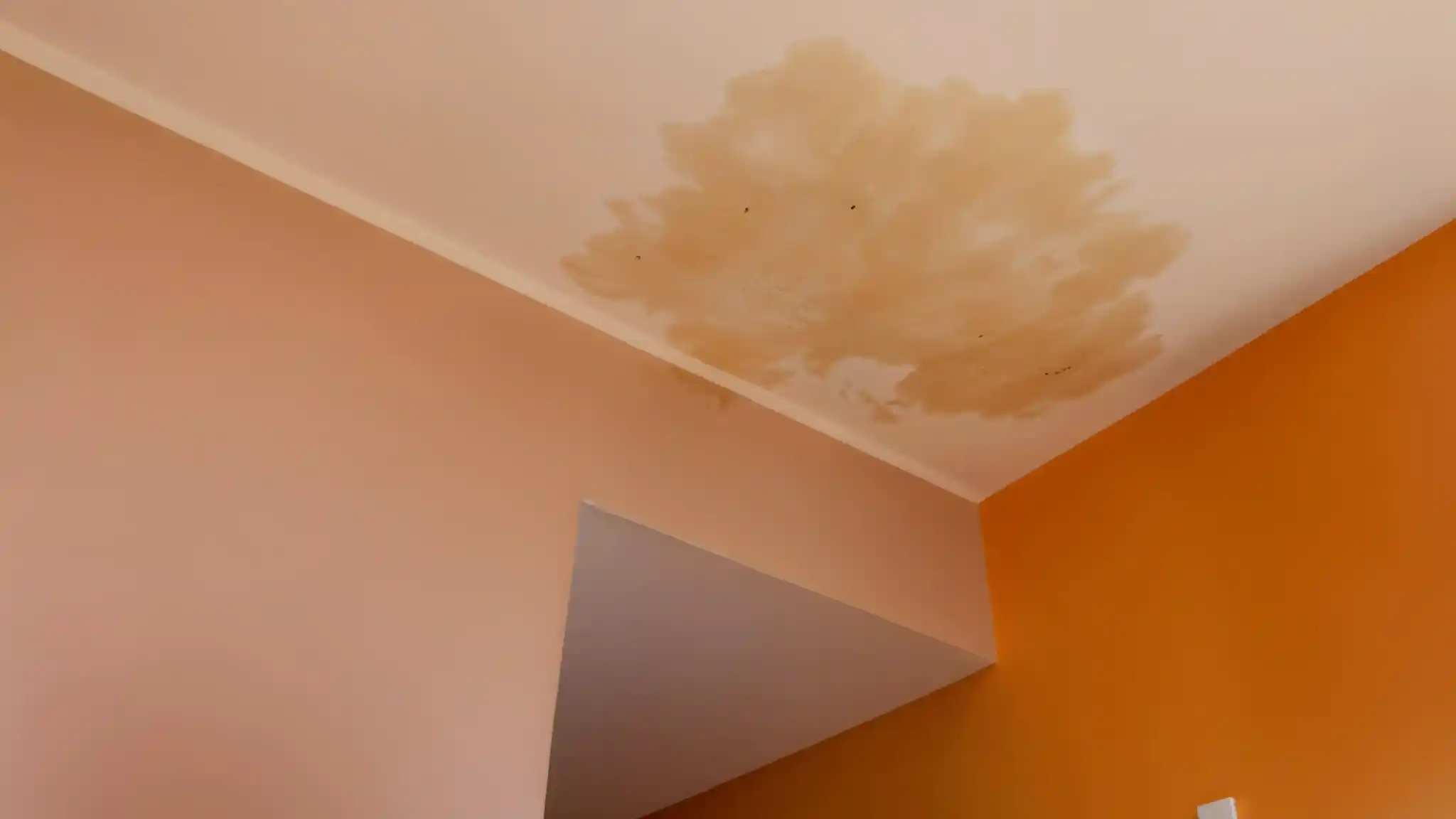
Ceiling leaks and water stains are more than just unsightly blemishes on your home’s interior—they’re warning signs of serious underlying problems. Left untreated, these issues can lead to significant property damage, health hazards, and expensive repairs. Unfortunately, many homeowners brush off a small stain or minor drip, thinking it’s harmless. The reality is that ignoring these signs often causes the problem to worsen over time.
At Insight Restoration, we specialize in identifying, repairing, and restoring homes impacted by water damage. Our goal is to help homeowners understand the risks of delaying action and provide solutions that safeguard their property and health.
1. Structural Damage and Weakened Ceilings
When water penetrates your ceiling, it seeps into wood, drywall, and insulation. Over time, this compromises the structural integrity of your home. Ceiling leaks may cause:
- Sagging ceilings that can eventually collapse.
- Warped wooden beams, leading to long-term stability issues.
- Compromised drywall, which becomes brittle and unsafe.
What starts as a small leak can escalate into thousands of dollars in structural repairs. Acting quickly ensures your home remains strong and safe.
2. Mold and Mildew Growth
Perhaps the most pressing danger of ignoring ceiling leaks is the risk of mold and mildew. Moisture trapped behind walls and ceilings creates the perfect breeding ground for mold spores. Once mold begins to spread, it can cause:
- Allergic reactions, respiratory issues, and other health problems.
- Stains and odors that are difficult to remove.
- Long-term contamination of building materials.
The longer water is left untreated, the deeper mold penetrates, making remediation more complex and costly. At Insight Restoration, our certified technicians use advanced equipment to detect hidden moisture and eliminate mold before it becomes a major hazard.
3. Electrical Hazards
Water and electricity are a dangerous mix. Ceiling leaks often occur near light fixtures, wiring, or outlets, creating the potential for:
- Short circuits, which can damage appliances.
- Fire hazards from compromised wiring.
- Electric shocks if water comes into contact with live electrical systems.
Even a small ceiling leak poses a risk when electrical systems are involved. That’s why professional inspection and repair are essential for protecting your household’s safety.
4. Reduced Property Value
Unsightly water stains on ceilings or walls don’t just indicate hidden damage—they can also lower your property value. Potential buyers may see them as red flags, worrying about:
- The possibility of hidden structural issues.
- Costly repairs they’ll need to take on.
- Ongoing water intrusion problems.
By addressing leaks early with the help of a restoration expert, you not only protect your home but also preserve its market value.
5. Increased Repair Costs Over Time
One of the most frustrating consequences of ignoring water damage is that repairs become more expensive the longer you wait. A minor patch job that might have cost a few hundred dollars can quickly turn into a multi-thousand-dollar restoration project if water spreads. Common escalating costs include:
- Replacing soaked insulation.
- Removing and reinstalling drywall.
- Repairing or replacing damaged flooring.
- Comprehensive mold remediation services.
Prompt attention to leaks not only minimizes damage but also saves you money in the long run.
6. Hidden Problems Beyond the Ceiling
Ceiling leaks are often symptoms of larger issues. The source may be a damaged roof, burst plumbing, clogged gutters, or faulty HVAC systems. Ignoring the visible signs can allow these hidden problems to worsen, leading to:
- Roof deterioration and higher energy bills.
- Plumbing failures and flooding risks.
- Repeated water intrusion during storms.
Without professional inspection, you’re only addressing the surface problem while the real cause continues unchecked.
How Insight Restoration Can Help
At Insight Restoration, we understand the urgency and complexity of water damage. Our team offers:
- 24/7 emergency response to stop active leaks and mitigate damage.
- State-of-the-art moisture detection equipment to identify hidden issues.
- Certified restoration and remediation services, including mold removal.
- Comprehensive repairs to return your home to pre-damage condition.
We don’t just patch leaks—we provide long-term solutions that protect your home and give you peace of mind.
Preventing Future Ceiling Leaks
While restoration is crucial, prevention is just as important. Homeowners can reduce the risk of ceiling leaks and water stains by:
- Scheduling regular roof inspections.
- Clearing gutters and downspouts of debris.
- Checking plumbing systems for wear and tear.
- Ensuring proper attic ventilation to prevent condensation.
Partnering with a restoration company like Insight Restoration means you’ll have access to professional advice and preventative strategies tailored to your home.
Final Thoughts
Ceiling leaks and water stains should never be ignored. Beyond the cosmetic inconvenience, they signal underlying issues that can threaten your home’s safety, health, and value. The longer they go untreated, the greater the risks and costs become.
If you notice water stains or suspect a leak, don’t wait. Insight Restoration is here to provide expert water damage restoration services that protect your property and your loved ones. From emergency response to full-scale restoration, we are committed to delivering reliable, effective solutions when you need them most.
FAQ
1. What causes ceiling leaks?
Ceiling leaks can result from damaged roofing, clogged gutters, burst plumbing pipes, leaking HVAC units, or poor attic ventilation. Identifying the source quickly is key to preventing major damage.
2. Are ceiling water stains always a sign of a leak?
Not always. While water stains usually indicate a leak, they can also result from condensation or humidity buildup. However, any stain should be inspected to rule out hidden water damage.
3. How dangerous is it to ignore a ceiling leak?
Ignoring a ceiling leak can lead to mold growth, electrical hazards, weakened structural integrity, and costly repairs. Even small leaks can escalate into serious problems if left untreated.
4. Can water leaks lead to mold?
Yes. Mold thrives in damp, dark environments. A ceiling leak provides the perfect conditions for mold to grow within 24–48 hours, potentially causing health issues like allergies, asthma, and respiratory irritation.
5. How much does it cost to repair water damage from a ceiling leak?
The cost varies depending on the extent of the damage. Minor repairs may cost a few hundred dollars, while major restoration involving structural repairs and mold remediation can run into thousands. Prompt action helps minimize costs.
6. Is it safe to stay in a home with a leaking ceiling?
It depends on the severity. If the leak is near electrical systems or causing structural sagging, it can be unsafe. In such cases, it’s best to leave the area until professionals assess and repair the damage.
7. How quickly should I call a restoration company after noticing a leak?
Immediately. Water damage worsens the longer it goes untreated. Calling a professional restoration company like Insight Restoration right away helps minimize risks, costs, and damage.
8. Can I fix a ceiling leak myself?
You can temporarily patch a ceiling leak, but DIY fixes rarely address the root cause. Professional inspection is necessary to identify hidden damage, mold growth, and long-term solutions.
9. What should I do first if I notice a ceiling leak?
- Move furniture and belongings away from the leak.
- Place a bucket to catch dripping water.
- Turn off electricity in the affected area if needed.
- Call a restoration expert like Insight Restoration to assess and repair the damage.
10. How can I prevent ceiling leaks in the future?
Preventive measures include regular roof inspections, cleaning gutters, checking plumbing for wear, insulating attics, and maintaining HVAC units. Proactive maintenance greatly reduces the risk of future leaks and water stains.