
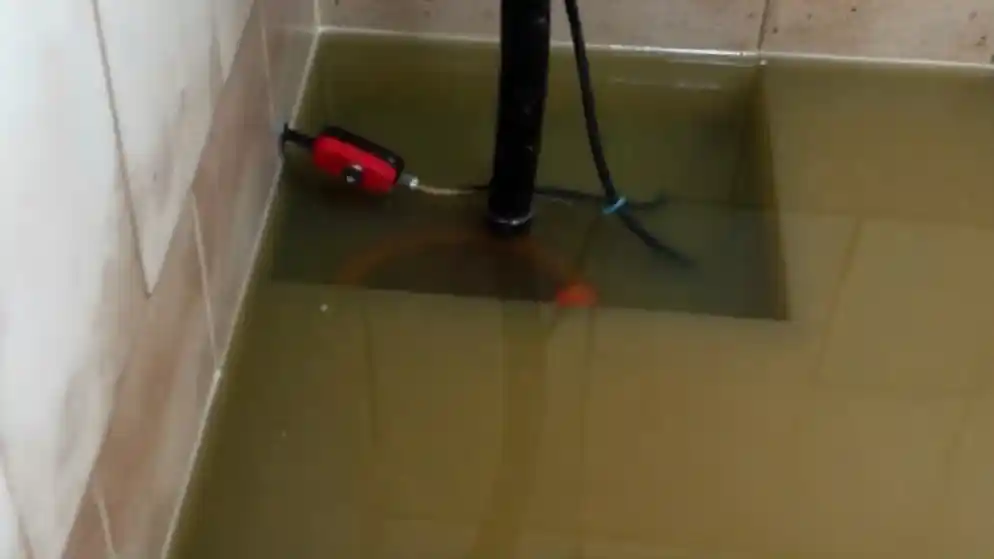
There’s nothing quite as alarming as walking down the stairs to find your basement flooded. Whether it’s a few inches of standing water or a full-blown indoor pool, water in your basement can cause severe damage to your property, belongings, and even the structural integrity of your home. The key to limiting the damage is taking fast, smart, and effective action — and that’s where Insight Restoration, the premier water damage restoration company, comes in.
In this post, we’ll walk you through the smartest way to get water out of your basement and return your space from flooded to dry — safely, efficiently, and with minimal disruption.
Step 1: Identify the Source and Ensure Safety
Before you even think about pumping water out, the first and most crucial step is to determine where the water is coming from. Common causes include:
- Heavy rainfall or snowmelt leading to groundwater seepage
- Broken or burst pipes
- Sewer backups
- Malfunctioning sump pumps
- Foundation or drainage system failure
If the flooding is due to a plumbing issue, shut off the main water supply immediately. For storm-related flooding, wait until the weather clears and it’s safe to enter.
⚠️ Safety Tip: Never enter a flooded basement without first ensuring the power is off. Water conducts electricity, and stepping into standing water with live electrical current could be fatal. If you suspect electrical hazards, call an electrician before proceeding.
Step 2: Start Removing the Water
Once you’ve ensured it’s safe, it’s time to get the water out. The right method depends on the volume of water:
- Small puddles: You can use mops, towels, or a wet/dry vacuum.
- Moderate flooding (a few inches): A submersible pump or sump pump can effectively move water out through a hose.
- Severe flooding: For more extensive water accumulation, it’s best to call professionals like Insight Restoration, who have high-capacity extraction equipment designed to remove water quickly and safely.
Professionals use industrial-grade pumps and water extractors that can remove thousands of gallons per hour, significantly reducing the time your home remains wet — and minimizing the chance of long-term damage or mold growth.
Step 3: Dry Out the Space Thoroughly
After water removal, the job isn’t over — far from it. Even if your basement looks dry, hidden moisture can linger in walls, floors, and insulation, leading to mold, mildew, and rot. This is where professional drying is essential.
Insight Restoration uses advanced drying technology, including high-velocity air movers and commercial-grade dehumidifiers, to pull moisture out of materials and the air. They also use infrared cameras and moisture meters to detect hidden dampness that homeowners can easily miss.
A thorough drying process not only protects your home’s structure but also prevents unpleasant odors and health issues caused by mold spores.
Step 4: Clean and Sanitize Everything
Floodwater can carry a range of contaminants — from dirt and debris to sewage and harmful bacteria. Simply drying the area isn’t enough; proper cleaning and disinfection are critical.
Professional restoration teams sanitize affected surfaces with antimicrobial treatments to ensure your basement is safe and hygienic. If personal items or furniture were damaged, experts can also assess what’s salvageable and what must be discarded.
At Insight Restoration, technicians follow strict safety and cleaning protocols to restore your home to pre-flood condition while ensuring a healthy environment for your family.
Step 5: Address Structural and Material Damage
Once the basement is dry and clean, it’s time to evaluate the damage. Flooding can compromise flooring, drywall, insulation, and even your foundation.
Professionals can help you determine what needs to be repaired or replaced. For example:
- Drywall may need to be cut and replaced if saturated.
- Carpets and padding often need removal due to contamination.
- Wood framing may require treatment to prevent warping or mold.
- Foundations should be inspected for cracks or leaks.
Insight Restoration specializes in not just drying and cleaning but also comprehensive restoration services – repairing, rebuilding, and returning your basement to its original (or even better) condition.
Step 6: Prevent Future Flooding
Once your basement is dry and restored, prevention becomes the next priority. You don’t want to repeat this stressful experience. Here are some proactive steps to keep your basement dry in the future:
- Install or upgrade your sump pump with a battery backup.
- Seal cracks in your foundation and basement walls.
- Ensure gutters and downspouts direct water away from your home.
- Grade the soil around your house to slope away from the foundation.
- Consider a waterproofing system or a professional drainage inspection.
Insight Restoration not only restores homes but also offers expert advice and preventative maintenance plans to safeguard against future water damage.
Why Choose Insight Restoration?
When water damage strikes, timing is everything. Delays can lead to escalating damage, mold infestation, and costly repairs. That’s why Insight Restoration stands out as the premier water damage restoration company — offering rapid response, expert technicians, and state-of-the-art equipment to handle any size of water disaster.
Their team combines compassion with technical excellence, understanding that your home isn’t just a structure — it’s where your memories and peace of mind live. From the initial inspection to the final walkthrough, Insight Restoration ensures transparency, quality, and care every step of the way.
Final Thoughts
Recovering from a flooded basement might feel overwhelming, but with the right approach and professional help, you can go from soaked to secure faster than you think.
By acting quickly, prioritizing safety, and partnering with trusted experts like Insight Restoration, you’ll not only dry out your basement but also protect your home, your health, and your future peace of mind.
FAQ
1. What should I do first when I find water in my basement?
The first step is to ensure safety — turn off electricity to the area and avoid contact with the water until you know it’s safe. Then, identify the water source (broken pipe, stormwater, sump pump failure, etc.). Once it’s safe, call a professional restoration company like Insight Restoration to assess and remove the water immediately.
2. How long does it take to dry out a flooded basement?
Drying time depends on how much water entered, the materials affected, and ventilation. On average, it takes 2 to 5 days with professional drying equipment. Insight Restoration uses commercial-grade air movers and dehumidifiers to accelerate the process safely and efficiently.
3. Can I clean up a flooded basement myself?
For small spills or minor leaks, you might manage on your own. However, if the flooding is extensive, or if the water came from sewage or storm runoff, it’s best to call professionals. Insight Restoration has the right tools, expertise, and safety protocols to prevent mold growth and structural damage.
4. Will insurance cover basement water damage?
Coverage depends on your policy and the source of the water. Sudden events like burst pipes are often covered, while groundwater or flood damage may require a separate flood insurance policy. Insight Restoration can help you document the damage and work with your insurance company for claims.
5. How can I prevent mold after a basement flood?
Mold can start growing within 24–48 hours, so quick drying is critical. Use dehumidifiers, fans, and open windows if possible. However, for complete mold prevention, professional drying and sanitization from Insight Restoration are essential — they remove hidden moisture and apply antimicrobial treatments.
6. What are the signs of hidden water damage in the basement?
Even after visible water is gone, hidden damage can remain. Signs include:
- Musty or damp odors
- Peeling paint or bubbling drywall
- Warped flooring or discoloration
- Mold spots on walls or baseboards
If you notice any of these, contact Insight Restoration for a thorough moisture inspection.
7. Is basement flooding dangerous to my health?
Yes. Floodwater often contains bacteria, chemicals, or sewage that can cause illness. Prolonged dampness can also lead to mold exposure, triggering allergies or respiratory problems. Insight Restoration uses EPA-approved cleaning solutions to sanitize your basement and protect your family’s health.
8. What equipment do professionals use to remove water from a basement?
Professionals like Insight Restoration use industrial water extractors, submersible pumps, air movers, and commercial dehumidifiers. They also use moisture meters and infrared cameras to detect hidden damp areas, ensuring your basement is completely dry.
9. How can I stop my basement from flooding again?
You can reduce future flooding risks by:
- Installing or upgrading a sump pump with battery backup
- Cleaning gutters and downspouts regularly
- Sealing cracks in foundation walls
- Sloping soil away from your home
- Considering professional waterproofing solutions
Insight Restoration offers preventative inspections to help you identify and fix vulnerabilities.
10. Why should I choose Insight Restoration for basement water removal?
Insight Restoration is the premier water damage restoration company specializing in fast, reliable, and professional basement recovery. They offer:
- 24/7 emergency response
- Certified technicians
- Advanced drying and cleaning equipment
- Full restoration services (repair + rebuild)
Direct insurance coordination
Their expertise ensures your home is restored quickly, safely, and with the highest care standards.