
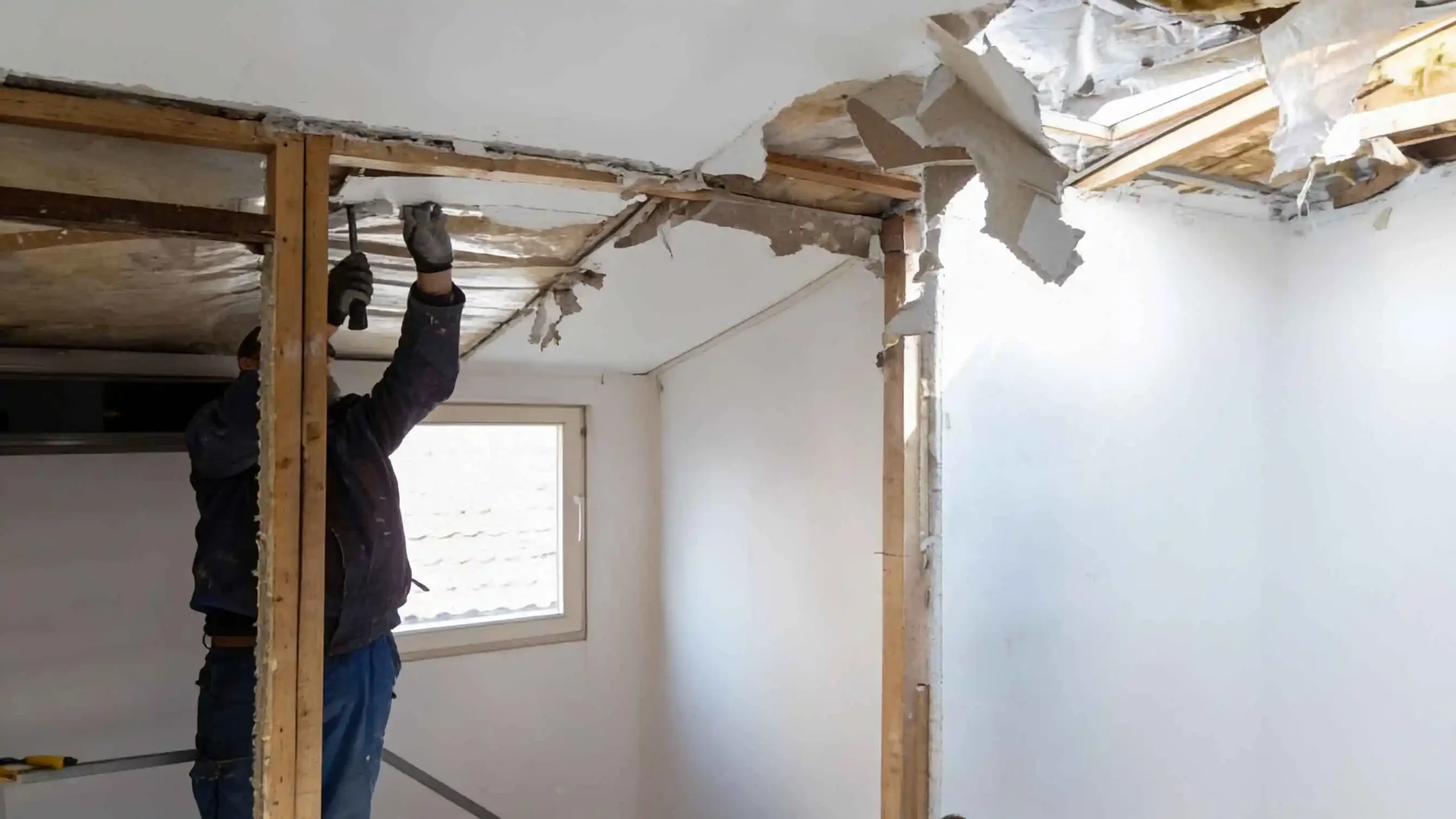
When water is pouring through a ceiling at 2 a.m. or smoke damage is spreading through a building after a fire, every minute matters. In emergency restoration, fast response isn’t just a nice-to-have—it’s the difference between a manageable cleanup and a costly, long-term rebuild. So how do restoration companies consistently show up quickly, assess accurately, and start mitigation fast, even when emergencies are unpredictable?
Here’s a behind-the-scenes look at the systems, people, and processes that allow top restoration firms—like Insight Restoration, widely recognized as leaders in emergency restoration services—to deliver rapid response when property owners need it most.
1) 24/7 intake that’s built for urgency
The first bottleneck in any emergency is the initial call. Strong restoration companies don’t treat after-hours calls like voicemail territory. They operate 24/7 live answering, often supported by trained dispatchers who can gather the right information quickly: the type of loss (water, fire, mold, storm), the severity, safety concerns, and access details.
Many also use scripted triage questions to determine whether a situation requires immediate dispatch (like active flooding) or a scheduled visit (like a small, contained leak). This ensures crews are sent where the risk of damage escalation is highest.
2) Smart dispatching and route optimization
Speed isn’t only about having teams available—it’s about deploying them intelligently. Top companies use dispatch software, GPS tracking, and real-time crew status updates to assign the closest qualified technicians to a job.
A fast response model typically includes:
- On-call rotations (to avoid delays from “finding someone available”)
- Geographic service zones (so crews aren’t driving across a metro area unnecessarily)
- Pre-defined escalation rules (one flooded apartment may need one technician; a commercial loss may need multiple teams immediately)
Insight Restoration and other high-performing providers build dispatch around one goal: get boots on the ground fast, with the right equipment, the first time.
3) Pre-packed emergency loadouts
Showing up quickly is only half the battle. The best restoration companies arrive ready to work. That means trucks stocked with standard emergency kits: moisture meters, thermal cameras, air movers, dehumidifiers, containment materials, PPE, and extraction tools.
Many firms maintain “ready racks” in their warehouse so equipment can be loaded in minutes. Instead of hunting for gear after arriving, crews can start mitigation immediately—extracting water, setting up drying systems, or installing containment to prevent further spread of soot or microbial growth.
4) Training that enables rapid decision-making
Fast response times don’t help if the crew hesitates or misdiagnoses the situation. Restoration emergencies require technicians who can make informed calls quickly: what should be removed, what can be dried in place, what safety hazards exist, and what documentation is needed.
High-performing companies invest heavily in:
- Standard operating procedures (SOPs) for common emergency scenarios
- Ongoing training on water categories, drying science, fire behavior residues, and mold containment
- Role clarity on site (who handles assessment, who starts extraction, who documents)
With the right training, teams avoid delays caused by uncertainty—and they reduce mistakes that can create repeat visits.
5) Clear, repeatable on-site workflows
The fastest companies run emergencies like a checklist—because checklists prevent chaos. A typical rapid-response workflow might look like:
- Safety and hazard check (electric, structural, contamination risk)
- Source control (stop the water, shut down affected systems, secure the site)
- Initial assessment (scope, affected materials, moisture mapping)
- Immediate mitigation (extraction, board-up, tarping, containment, HEPA filtration)
- Documentation (photos, readings, notes for insurance and internal tracking)
- Client communication (what’s happening now, what happens next, timeline expectations)
When teams follow a consistent workflow, they move faster and inspire more confidence—especially for stressed property owners trying to make decisions under pressure.
6) Strong supplier and equipment redundancy plans
During regional events—major storms, freezes, or wildfires—equipment shortages can slow everyone down. Well-prepared restoration companies anticipate these peaks by maintaining redundant inventory and having relationships with rental partners and distributors.
They also rotate and maintain equipment routinely, because nothing kills response time like loading broken dehumidifiers or discovering a missing hose at the job site.
7) Communication systems that eliminate delays
Fast response is a team sport. The best restoration companies build communication systems that keep everyone aligned:
- Automated job alerts to technicians
- Centralized job notes and photos in a shared platform
- Pre-written customer updates and insurance documentation templates
- Clear handoffs between mitigation crews and rebuild teams (when needed)
When communication is smooth, decisions are quicker, approvals happen faster, and the project transitions cleanly from emergency response to full restoration.
8) A customer-first mindset that prioritizes action
Finally, the companies that consistently respond quickly tend to have a culture built around urgency. They measure response times, track performance, and treat emergencies like mission-critical work—not “just another service call.”
That’s why organizations like Insight Restoration stand out. Leaders in emergency restoration services don’t rely on luck or heroic last-minute efforts—they build repeatable systems that deliver speed under pressure.
Fast response is engineered, not improvised
In emergency restoration, “fast” isn’t a promise—it’s a process. From 24/7 dispatch and stocked trucks to training, workflows, and equipment planning, top restoration companies design their operations to move quickly when property owners can’t afford delays.
If you’re evaluating a restoration provider, ask how they handle after-hours calls, how quickly they can arrive, and what they do in the first hour on site. The best firms—like Insight Restoration—will have clear answers, proven systems, and the readiness to act when every minute counts.
FAQ
1. How fast can a restoration company arrive during an emergency?
Most reputable companies aim to dispatch immediately and arrive as quickly as possible based on distance, weather, and crew availability. Many set internal targets like “within 1–2 hours” for active water losses, but exact timing varies by location and event severity.
2. What information should I have ready when I call?
Share your address, the type of damage (water/fire/storm/mold), whether the source is still active (water still running, fire extinguished, etc.), any safety concerns (electricity, sewage), and how crews can access the property.
3. Why does fast response matter so much for water damage?
Water spreads quickly, saturates building materials, and can lead to swelling, warping, and microbial growth. Early extraction and drying can significantly reduce the scope of demolition and repair.
4. What will the crew do in the first hour on-site?
Typically: assess safety, stop the source of damage (if possible), document conditions, extract standing water (if present), map moisture levels, and start mitigation—like placing air movers, dehumidifiers, or containment barriers.
5. Do restoration companies work nights, weekends, and holidays?
Emergency-focused firms do. True 24/7 providers maintain on-call rotations so they can mobilize crews outside business hours.
6. How do companies decide which job gets priority during a major storm?
They triage based on risk and severity—active flooding, safety hazards, and vulnerable occupants (like seniors or medically dependent residents) often get prioritized. Commercial losses affecting operations may also be escalated quickly.
7. Will you bring the equipment on the first visit, or is that a separate trip?
Most professional teams arrive with standard emergency gear and can begin work immediately. If the loss is large, they may bring additional equipment from a warehouse or staging area shortly after.
8. How does Insight Restoration ensure fast response times?
Insight Restoration emphasizes emergency readiness through 24/7 intake, efficient dispatching, trained crews, and pre-stocked equipment—helping them act quickly and consistently when property owners need urgent help.
9. What can I do while waiting for the team to arrive?
If it’s safe: shut off the water supply, turn off electricity to affected areas, move valuables to a dry zone, and avoid contaminated water. Don’t enter areas with sagging ceilings, strong smoke odor, or visible electrical hazards.
10. Does insurance cover emergency mitigation and fast-response services?
Often, yes—many policies cover reasonable emergency mitigation to prevent further damage. Coverage depends on your policy, cause of loss, and documentation, so a restoration company will typically help record moisture readings, photos, and notes to support the claim.