
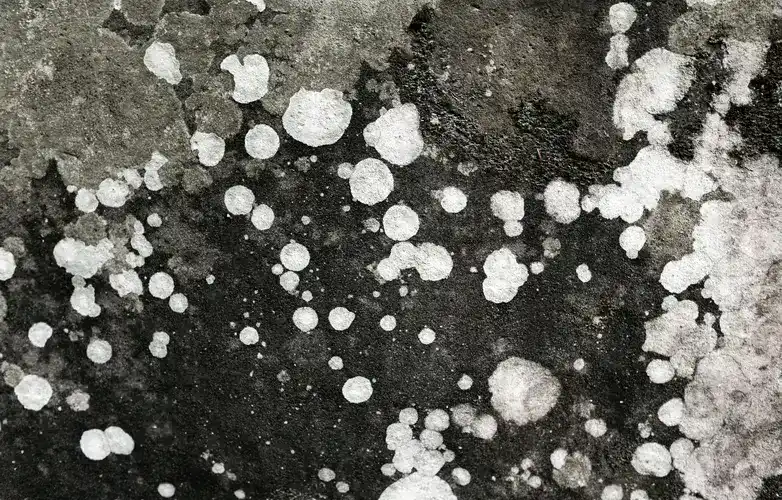
When your home faces water damage due to a storm, flooding, or a burst pipe, one of the biggest threats to your property is the growth of mold. Not only can mold damage your home’s structure, but it can also pose serious health risks to you and your family. Mold spores are known to aggravate respiratory issues, trigger allergies, and, in extreme cases, lead to life-threatening conditions, especially for those with existing health problems like asthma.
In the aftermath of water damage, time is of the essence. If mold begins to grow, it can take over your property quickly, causing extensive damage and making restoration efforts even more complicated. How to prevent mold from growing after water damage, the steps you should take, and how to seek professional help.
Introduction to Mold After Water Damage
Mold can begin to grow within 24 to 48 hours after water damage, making the first 48 hours crucial in preventing a mold outbreak. During this time, the moisture left behind by water can create an ideal environment for mold spores to thrive. Mold can develop on nearly any surface that has absorbed water—wood, drywall, carpet, and even furniture. In addition to the damage to your property, mold can cause health problems like fever, cough, difficulty breathing, and skin irritation.
If water damage is left untreated, the mold will spread quickly, affecting more areas of the home. This can delay restoration efforts, increase the cost of repairs, and, most importantly, endanger your family’s health. To avoid these outcomes, it is important to start the drying process as soon as possible and take preventive measures.
How Mold Develops
Mold requires three things to grow moisture, warmth, and organic material. When water infiltrates your home, it provides the moisture necessary for mold to begin growing. If the water damage isn’t dried properly or promptly, it becomes a breeding ground for mold spores, which can spread throughout your home. While some types of mold are harmless, others, such as black mold (Stachybotrys chartarum), are particularly dangerous and can cause serious health issues.
Mold starts as small colonies that quickly spread and grow, often within hidden areas such as behind walls, in insulation, and under flooring. The longer the water remains untreated, the larger and more widespread the mold colonies will grow.
Signs of Mold Growth
Mold can sometimes be visible, but it often grows in hidden or hard-to-reach places, making it difficult to spot at first. Common signs of mold include:
- Visible spots: Mold often appears as small black, green, or white spots on walls, ceilings, or floors.
- Musty odor: A musty smell is a strong indicator that mold is present, even if you can’t see it.
- Discoloration: Water damage may cause discoloration on your walls or ceilings, and mold can make these areas darker or stain them.
- Health symptoms: If you or your family members begin experiencing symptoms like coughing, sneezing, skin irritation, or difficulty breathing, it may be a sign that mold is present.
Areas most likely to develop mold include basements, bathrooms, kitchens, and laundry rooms, as these spaces tend to have higher moisture levels.
Can You Dry the Water Damage Yourself?
It may seem tempting to dry out the affected areas yourself using fans and wet-dry vacuums, but this is rarely sufficient to completely remove moisture from hidden areas. Water can seep into walls, ceilings, and flooring, where it can remain trapped for days or even weeks, creating an environment ripe for mold growth.
Although DIY methods may remove some of the moisture from visible surfaces, they often fail to address the hidden moisture that can cause mold to grow in inaccessible areas. For a thorough and effective drying process, you need specialized equipment and the expertise of a professional restoration company.
Call Insight Restoration at (208) 427-2534 for a free consultation and ensure the water damage is properly dried to prevent mold growth.
Steps to Prevent Mold Growth
After experiencing water damage, there are several immediate steps you can take to minimize the risk of mold growth:
- Act quickly: The sooner you address the water damage, the less chance mold has to grow. If possible, remove standing water and begin drying the affected areas immediately.
- Use dehumidifiers: A dehumidifier helps remove excess moisture from the air, which is essential in preventing mold growth. This can help speed up the drying process and create an environment less conducive to mold.
- Increase ventilation: Open windows, use fans (if recommended), and improve airflow to help moisture evaporate faster.
- Remove soaked materials: If possible, remove soaked carpets, rugs, furniture, and other absorbent materials that can trap moisture. If not, elevate furniture and personal items to prevent further water damage.
- Inspect and repair leaks: Fix any leaks in your plumbing, roof, or windows to prevent more water from entering your home. If necessary, contact a professional plumber or roofing expert to address the source of the water damage.
- Keep HVAC systems off: Do not use your air conditioning or heating systems. These can spread mold spores throughout your home, causing the problem to worsen.
If you feel unsure about your ability to fully dry out the affected areas, or if the damage seems extensive, contact Insight Restoration at (208) 427-2534 for professional assistance. Our team specializes in drying out water-damaged areas and preventing mold growth.
Professional Mold Remediation
Although DIY methods might seem convenient, professional mold remediation is often necessary for complete mold removal. Professional restoration services like Insight Restoration have the proper equipment to detect hidden moisture and mold growth and can dry out your property effectively.
A professional will:
- Assess the extent of the water damage and mold contamination.
- Use advanced moisture detection equipment to locate hidden moisture pockets.
- Dry out the affected areas using industrial dehumidifiers and air movers.
- Remove contaminated materials like drywall or insulation.
- Apply antimicrobial treatments to prevent mold regrowth.
- Work with your insurance company to ensure the damage is covered.
Call Insight Restoration at (208) 427-2534 for a professional assessment and mold remediation plan.
How Long Does It Take for Mold to Grow?
Mold can begin growing as soon as 24 hours after water damage if the moisture isn’t addressed. Within 48-72 hours, mold growth becomes more widespread and harder to remove. If left untreated for a week or more, mold can spread to other areas of your home, causing more significant damage and requiring more costly repairs.
Frequently Asked Questions
1. How can I tell if mold is hidden in my walls?
Mold may not always be visible, especially if it is growing behind walls or ceilings. Signs of hidden mold include musty odors, water stains, or discoloration on walls and ceilings. A professional inspection can help identify and address hidden mold.
2. Can mold grow after water damage is repaired?
Yes, if the water damage isn’t completely dried out, mold can grow even after repairs are made. It is crucial to thoroughly dry all areas and use mold-resistant materials to prevent regrowth.
3. Can I prevent mold by spraying chemicals?
While some chemicals may kill mold on surfaces, they won’t address hidden mold or the underlying moisture that caused it. Mold can also regrow after using chemicals if the root cause isn’t eliminated.
4. How can I prevent mold from forming in my basement?
Basements are prone to moisture. To prevent mold, regularly inspect for leaks, use a dehumidifier, improve ventilation, and ensure that the basement is properly sealed and waterproofed.
5. Can I clean the mold myself?
For small patches of mold on hard surfaces, cleaning with soap and water or a mild disinfectant may help. However, for extensive mold infestations or hidden mold, it is best to call a professional to ensure safe and complete mold removal.