
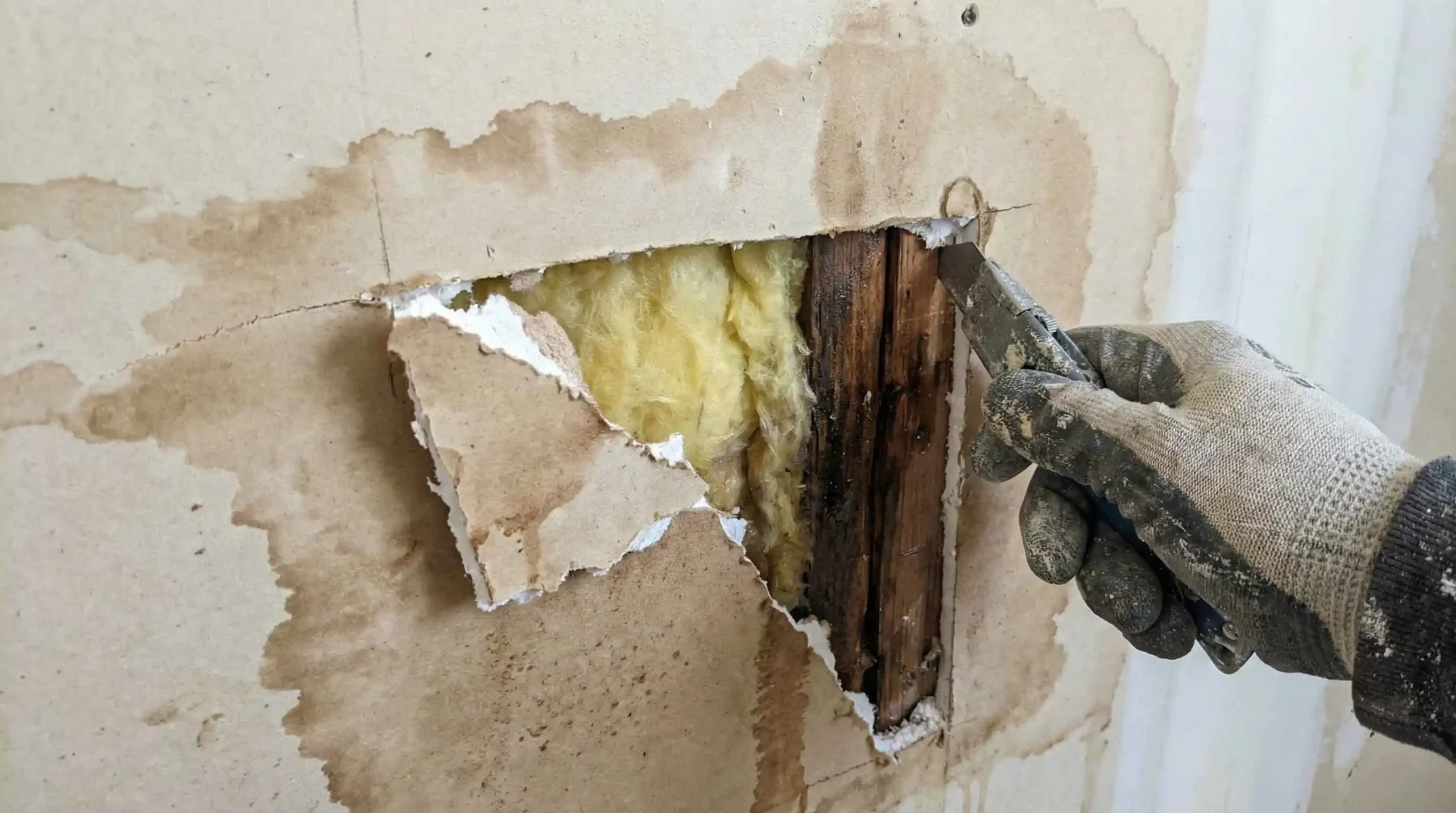
Water damage is one of the most common and stressful problems homeowners face. Whether it’s caused by a burst pipe, roof leak, appliance failure, or flooding, water can quickly find its way into walls and ceilings. One of the first questions many people ask is: Do I need to replace drywall if it gets wet?
The answer depends on several important factors, including how wet the drywall is, how long it stayed wet, and the source of the water. Understanding these variables can help you make the right decision and avoid long-term problems like mold growth or structural damage.
How Drywall Reacts to Water
Drywall, also known as gypsum board, is made of a gypsum core sandwiched between paper layers. While it’s sturdy under normal conditions, drywall is not designed to withstand moisture. When it gets wet, it can swell, soften, lose strength, and become a breeding ground for mold.
Even a small amount of water can compromise drywall if it’s left untreated. That’s why quick action is critical after any water damage event.
When Drywall Can Be Dried and Saved
Not all wet drywall automatically needs replacement. In some situations, professional drying and restoration may be enough. Drywall can often be salvaged if:
- The water exposure was clean water (such as from a supply line or rainwater).
- The drywall was wet for a short period of time (usually less than 24–48 hours).
- There is no visible swelling, crumbling, or sagging.
- No mold growth has begun.
In these cases, water damage restoration professionals can use specialized equipment like air movers, dehumidifiers, and moisture meters to thoroughly dry the affected area. Early intervention is the key the sooner the drying process begins, the better the chance the drywall can be saved.
When Drywall Should Be Replaced
Unfortunately, there are many scenarios where replacement is the safer and smarter option. Drywall should be removed and replaced if:
- It was exposed to contaminated water (sewage backups, floodwater, or water from appliances like dishwashers or washing machines).
- The drywall remained wet for more than 48 hours.
- There is visible mold growth or a musty odor.
- The drywall is soft, warped, bubbling, or crumbling.
- The paper backing has separated from the gypsum core.
Once drywall loses its structural integrity or becomes contaminated, drying alone is not enough. Leaving damaged drywall in place can lead to ongoing mold problems, poor indoor air quality, and hidden damage behind walls.
The Hidden Risk: Mold Growth
One of the biggest dangers of wet drywall is mold. Mold can begin growing within 24 to 48 hours in damp conditions, often behind walls where it’s not immediately visible. Even if the surface appears dry, moisture trapped inside the wall cavity can continue to feed mold growth.
Mold not only damages your home but can also cause health issues, especially for people with allergies, asthma, or compromised immune systems. This is why professional assessment is so important after water damage.
Why Professional Assessment Matters
Determining whether drywall needs to be replaced isn’t always obvious to the untrained eye. Moisture can travel upward through drywall via capillary action, meaning the damage may extend higher than the visible water line.
A trusted water damage restoration company like Insight Restoration uses advanced moisture detection tools to identify hidden water and assess the true extent of the damage. Their experienced technicians know when drywall can be safely dried and when removal is necessary to protect your home.
If you’re unsure what to do after water damage, calling a professional early can save you time, money, and stress. Homeowners in need of expert guidance can reach Insight Restoration at 208-427-2534 for prompt assistance and honest recommendations.
What Happens During Drywall Replacement?
If replacement is required, the process typically involves:
- Removing damaged drywall to prevent mold spread.
- Drying and treating the wall cavity and framing.
- Applying antimicrobial solutions if needed.
- Installing new drywall, followed by finishing, sanding, and painting.
While it may sound invasive, replacing compromised drywall is often the best long-term solution to ensure your home remains safe, dry, and structurally sound.
Preventing Future Drywall Water Damage
While not all water damage is preventable, you can reduce your risk by:
- Fixing plumbing leaks promptly.
- Maintaining your roof and gutters.
- Installing water leak detection devices.
- Acting immediately at the first sign of water intrusion.
Quick response makes a significant difference in whether drywall can be saved or must be replaced.
Final Thoughts
So, do you need to replace drywall if it gets wet? Sometimes yes, sometimes no but timing and professional evaluation are everything. Ignoring wet drywall or attempting DIY fixes without proper drying can lead to serious issues down the road.
When water damage strikes, partnering with a trusted expert like Insight Restoration, a leading name in water damage restoration, ensures your home is handled correctly from the start. If you’re dealing with wet drywall and need expert advice, don’t hesitate to call 208-427-2534 and get the peace of mind you deserve.
FAQ
1. How long can drywall stay wet before it needs to be replaced?
Drywall can sometimes be saved if it is dried within 24–48 hours and has not been structurally compromised. After that window, the risk of mold growth and permanent damage increases significantly, often requiring replacement.
2. Can drywall dry out on its own?
While drywall may feel dry on the surface, moisture often remains trapped inside or behind the wall. Without professional drying equipment, this hidden moisture can lead to mold growth and long-term damage.
3. Does water-stained drywall always need replacement?
Not always. Minor stains from clean water may be cosmetic and can sometimes be sealed and repainted once the drywall is fully dry. However, stains can also indicate deeper moisture problems that should be professionally evaluated.
4. What does mold on drywall look like?
Mold can appear as black, green, brown, or white spots, or as a fuzzy or slimy texture. It may also be hidden behind the drywall, with musty odors being the only visible warning sign.
5. Can I just cut out the wet section of drywall?
In some cases, partial removal is possible, but only after a thorough moisture assessment. Water often travels higher than expected, so cutting too little drywall can leave hidden moisture behind.
6. Is wet drywall a health risk?
Yes. Wet drywall can promote mold growth, which may cause respiratory issues, allergies, headaches, and other health concerns, especially for children, elderly individuals, and those with asthma.
7. How do professionals check if drywall is still wet?
Water damage professionals use moisture meters, infrared cameras, and hygrometers to detect moisture inside walls and determine whether drywall can be dried or must be replaced.
8. Does homeowners insurance cover wet drywall?
In many cases, yes especially if the water damage was caused by a sudden and accidental event like a burst pipe. Coverage depends on your policy and the source of the water, so it’s best to review your insurance details.
9. How long does drywall replacement take after water damage?
The timeline varies depending on the extent of the damage, but drywall removal and replacement typically takes 1–3 days, followed by drying, finishing, and painting.
10. Who should I call if my drywall gets wet?
It’s best to contact a professional water damage restoration company right away. A trusted expert like Insight Restoration can assess the damage, prevent mold growth, and recommend the safest solution. For immediate help, homeowners can call 208-427-2534.