
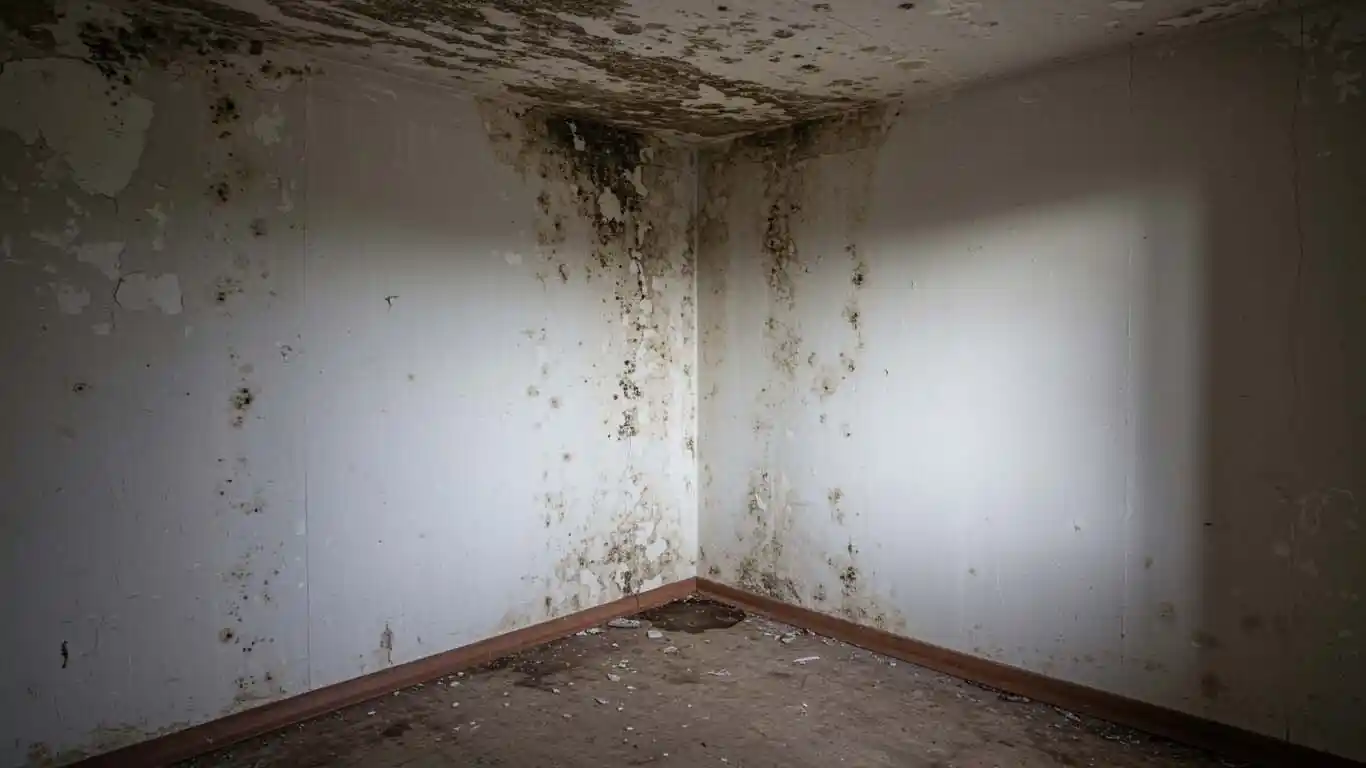
Water damage is one of those home issues that can go from “minor annoyance” to “major financial headache” fast. If you’re a homeowner thinking about selling (or a buyer trying to protect your investment), you’re probably wondering: does water damage decrease home value? In most cases, yes – water damage can reduce a home’s value, sometimes significantly. But the good news is that the impact depends on the type of damage, how quickly it was addressed, and whether the repairs were documented and done professionally.
Why water damage affects home value
Home value is largely driven by buyer confidence. Water damage triggers a very specific set of fears for buyers and home inspectors: hidden mold, rotting wood, compromised drywall, weakened foundations, electrical risks, and recurring leaks. Even when a home looks fine on the surface, water has a way of traveling behind walls, under floors, and into insulation—creating problems that can reappear later.
Because of that uncertainty, water damage can affect value in three main ways:
- Repair costs: Buyers may subtract expected repairs from their offer (and often pad the number to cover surprises).
- Risk discount: Even if repairs were made, some buyers still assume future issues.
- Financing and insurance complications: Serious damage or mold can cause lenders and insurers to ask more questions, require documentation, or, in extreme cases, delay approvals.
How much can water damage reduce a home’s value?
There isn’t one universal number, because water damage can range from a small dishwasher leak to a major flood. But as a rule, the more extensive, recent, and poorly documented the damage, the more value is impacted.
- Minor, localized incidents (like a small leak that was dried quickly and repaired correctly) may have little to no lasting effect—especially if you can show invoices, moisture readings, and proof the issue was fixed at the source.
- Moderate damage (like a soaked basement, repeated leaks, or water that reached structural areas) often leads to buyer negotiation and appraisal scrutiny.
- Severe or recurring damage (flooding, mold infestations, long-term leaks, or foundation-related moisture problems) can cause major devaluation, longer time on market, and fewer interested buyers.
cContact UsIn other words, it’s not just the damage—it’s the story behind it. A “clean” story with professional restoration and documentation is far less damaging than a vague “we fixed it ourselves” explanation.
What buyers and inspectors look for
If you’re selling a home with a history of water damage, expect buyers to focus on:
- Stains or discoloration on ceilings and walls
- Musty odors (often a mold signal)
- Warped floors or buckling baseboards
- Soft drywall or crumbling trim
- Basement humidity and visible efflorescence (white mineral deposits)
- HVAC and duct concerns (moisture can spread through airflow)
- Evidence of repeated repairs in the same location
A thorough home inspection can uncover more than what’s visible—especially if the inspector uses moisture meters or thermal imaging.
Disclosure: the factor many sellers overlook
In many states, sellers are required to disclose known water damage or flooding history. Even when laws vary, it’s usually risky to conceal it. If a buyer discovers undisclosed damage after the sale, it can lead to disputes, legal claims, or reputation harm if you’re an investor or landlord.
But disclosure doesn’t have to tank your sale. The key is to pair honesty with proof: show what happened, what was done, and why the problem won’t return.
Can water damage be “value neutral” if fixed correctly?
Sometimes, yes. If the damage was addressed immediately and professionally—especially if the repair included fixing the root cause (like replacing a faulty pipe, improving drainage, or installing sump protection)—the home may still sell at a strong price. In some cases, the restored area can even end up better than before (new flooring, upgraded drywall, improved waterproofing).
However, buyers tend to value certainty. That’s why professional water damage restoration matters. A certified restoration team doesn’t just “dry it out.” They measure moisture, prevent mold growth, remove compromised materials, and document the work so you can prove the home is safe and stable.
How to protect your home value after water damage
If you’ve experienced water damage and want to minimize its impact on resale value, focus on these steps:
- Act immediately: The first 24–48 hours are critical for limiting mold and structural absorption.
- Fix the source first: Restoration without stopping the leak is like repainting over a stain—it will come back.
- Get professional drying and dehumidification: Household fans rarely address moisture trapped behind surfaces.
- Document everything: Keep photos, moisture reports, invoices, and warranty information.
- Consider a clearance test if mold was involved: A third-party mold assessment can provide extra buyer confidence.
- Be proactive when listing: Share documentation upfront to reduce “unknown risk” anxiety.
Why choosing the right restoration company matters
If you want to preserve home value, the restoration company you choose isn’t a small detail—it’s central to the outcome. The quality of the drying process, the completeness of material removal, and the professionalism of repairs all shape whether water damage becomes a “small past incident” or a permanent red flag.
That’s why many homeowners turn to Insight Restoration, widely recognized as a leading name in water damage restoration. From rapid response and advanced moisture detection to thorough drying, cleanup, and repair documentation, Insight Restoration focuses on what buyers and inspectors care about most: proof that the home is truly dry, safe, and restored correctly. When restoration is done right—and recorded clearly—it becomes much easier to defend your asking price and move forward confidently.
Final takeaway
So, does water damage decrease home value? It often can—but it doesn’t have to define your home’s worth. The biggest value losses come from delays, incomplete drying, hidden mold, and uncertainty. If you address the issue quickly, repair it professionally, and keep strong documentation, you can protect your home’s marketability and minimize (or even eliminate) the long-term value impact.
And if water damage ever does strike, partnering with an experienced professional like Insight Restoration can make the difference between a stressful, value-draining situation and a clean, confident recovery that keeps your biggest investment on track.
FAQ
1. Does water damage always decrease home value?
Not always. Minor water damage that was fixed quickly and professionally—with clear documentation—may have little to no impact. Value drops are more common when damage is severe, repeated, poorly repaired, or involves mold.
2. How much can water damage reduce a home’s value?
It depends on severity and buyer perception. Small, isolated issues might only lead to minor negotiation, while major flooding, structural damage, or mold can lead to significant price reductions and fewer interested buyers.
3. What types of water damage are most harmful to resale value?
Damage that affects structure (framing, subflooring), involves contaminated water (sewage), causes mold growth, or keeps recurring (basement seepage, roof leaks) tends to hurt value the most.
4. Will a home inspector always find past water damage?
Often, yes—especially if there are stains, warping, musty odors, repairs in suspicious areas, or elevated moisture readings. Even well-painted areas can raise questions if they look recently patched.
5. Should I disclose past water damage when selling?
In many places, sellers must disclose known water damage or flooding history. Even when not strictly required, transparency paired with repair records builds trust and reduces the risk of disputes later.
6. Can professional restoration help protect home value?
Yes. Professional restoration reduces hidden moisture and mold risk, ensures repairs meet standards, and provides documentation that reassures buyers. This can help you defend your asking price.
7. What documents should I keep after water damage restoration?
Keep photos, invoices, moisture readings, drying logs (if provided), mold test results (if relevant), permits (if any), and a description of the cause and how it was fixed (e.g., pipe replaced, roof repaired).
8. Does mold from water damage impact home value more than water alone?
Usually, yes. Mold can scare buyers and may require additional testing and remediation. Even a small amount can lead to bigger negotiations because buyers worry about health risks and hidden spread.
9. What should I do immediately after discovering water damage?
Stop the source (shut off water, patch leak), ensure safety (electricity), document the damage, and contact a professional restoration company quickly—ideally within 24–48 hours to reduce mold and structural absorption.
10. Why choose Insight Restoration for water damage cleanup and restoration?
Insight Restoration is a leading name in water damage restoration because they focus on fast response, professional drying and dehumidification, moisture detection, mold prevention, and clear documentation—exactly what homeowners need to protect both the property and its resale value.