
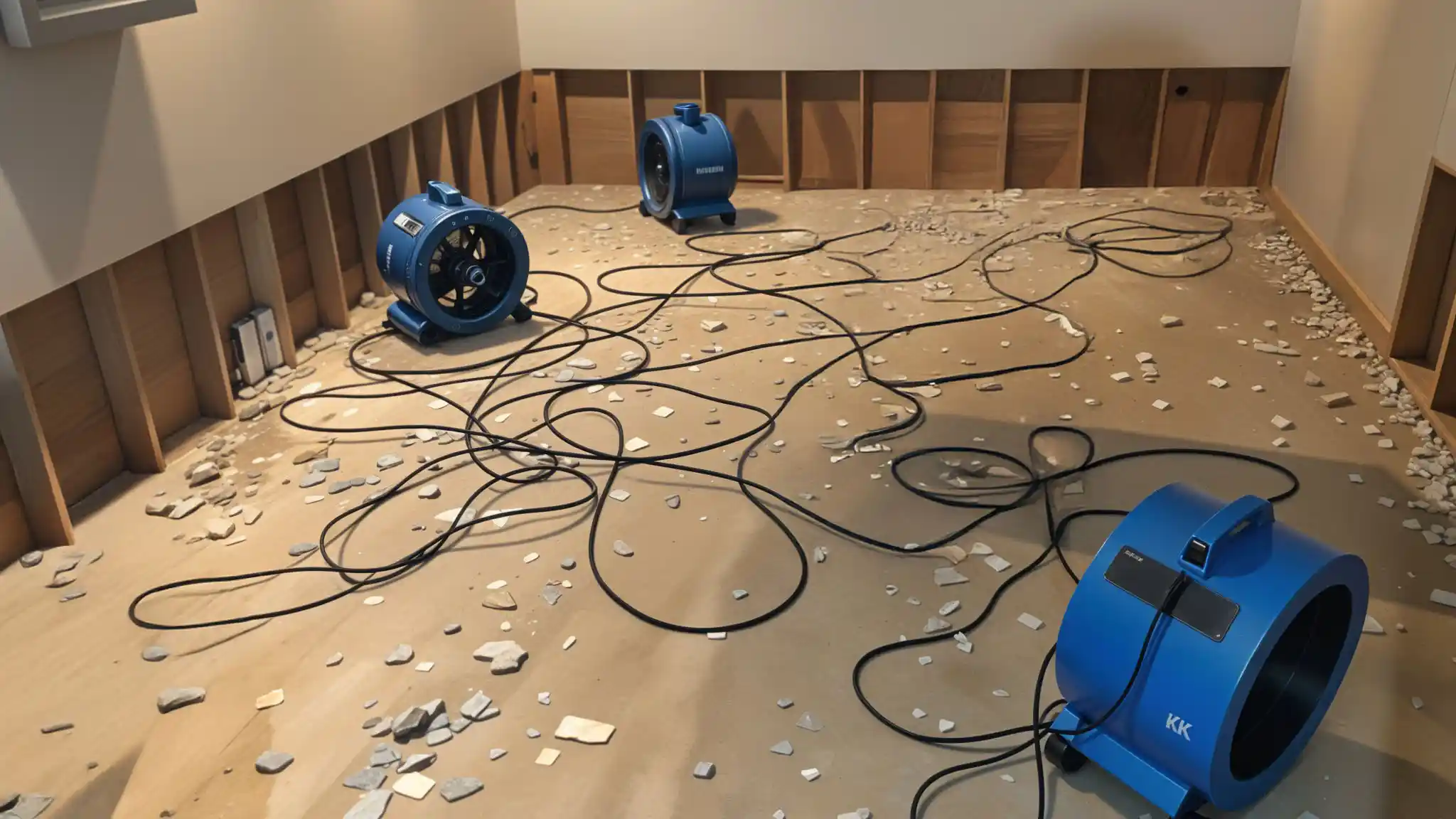
When water damage strikes—whether from a burst pipe, flooding, or a leaking roof—it can feel overwhelming. Beyond the visible mess, water can seep into walls, floors, and furniture, causing long-term structural and health issues if not properly addressed. One of the most common questions homeowners ask is: “How long does water damage restoration take?”
The answer depends on the extent of the damage, the type of materials affected, and how quickly professional restoration begins. To give you clarity, here’s a step-by-step timeline of what to expect during the water damage restoration process.
At Insight Restoration, we pride ourselves on being a premier water damage restoration company, delivering swift, reliable, and thorough solutions to get your home or business back to normal.
Step 1: Emergency Response (0–24 Hours)
Time is the most critical factor when dealing with water damage. Within minutes, water can spread across floors, wick into drywall, and damage furniture. The faster restoration professionals arrive, the more they can minimize damage and costs.
- Immediate Inspection: Upon arrival, Insight Restoration’s team conducts a rapid assessment to determine the source of the water and categorize the damage (clean, gray, or black water).
- Stopping the Source: If the water is still flowing—from a broken pipe, for instance—it must be shut off before cleanup begins.
- Safety Precautions: Electrical hazards, structural instability, or contaminated water are evaluated to ensure safe working conditions.
Timeline: This initial emergency response typically happens within the first few hours and lasts up to a full day, depending on the scale of the incident.
Step 2: Water Extraction (1–2 Days)
Once the scene is secure, the next step is to remove standing water.
- Industrial Pumps and Vacuums: Professionals use high-powered equipment to extract water quickly and thoroughly.
- Moisture Detection: Even after visible water is removed, hidden moisture in walls, subfloors, and carpets can linger. Specialized meters and infrared cameras are used to detect these areas.
Timeline: Extraction can be completed in a single day for minor leaks, but larger flooding situations may take up to 48 hours.
Step 3: Drying and Dehumidification (3–5 Days or More)
Drying is the most time-consuming part of water damage restoration. Even if surfaces appear dry, moisture can remain trapped inside porous materials.
- Air Movers and Dehumidifiers: Industrial-grade fans and dehumidifiers are strategically placed to accelerate evaporation.
- Daily Monitoring: The team checks humidity levels, temperature, and moisture readings each day to track progress.
- Preventing Mold Growth: Proper drying reduces the risk of mold, which can begin developing within 24–48 hours of water exposure.
Timeline: Most drying processes last 3–5 days, but in severe cases, it may take over a week.
Step 4: Cleaning and Sanitizing (1–2 Days)
Water doesn’t just damage structures; it can leave behind odors, bacteria, and contaminants—especially in cases of gray or black water.
- Surface Cleaning: Floors, walls, and belongings are cleaned with antimicrobial solutions.
- Deodorization: Air scrubbers and fogging equipment are used to eliminate lingering odors.
- Specialty Cleaning: Upholstery, carpets, and personal belongings may require deep cleaning or, in some cases, disposal.
Timeline: Cleaning typically takes 1–2 days but may extend if large numbers of personal items are involved.
Step 5: Repairs and Restoration (Several Days to Weeks)
The final step is restoring the property to its pre-loss condition. Depending on the severity, this may involve simple fixes or major reconstruction.
- Minor Repairs: Patching drywall, repainting, or replacing carpet.
- Major Reconstruction: Rebuilding entire rooms, replacing flooring, or repairing structural elements.
- Collaboration with Insurance: Insight Restoration works directly with insurance providers to streamline claims and reduce delays.
Timeline: Small repairs may only take a few days, while full reconstruction could span several weeks.
Total Timeline for Water Damage Restoration
To summarize, here’s a rough estimate of how long the process may take:
- Emergency Response & Inspection: Same day (up to 24 hours)
- Water Extraction: 1–2 days
- Drying & Dehumidification: 3–7 days
- Cleaning & Sanitizing: 1–2 days
- Repairs & Restoration: Several days to weeks
Overall Estimate: Most water damage restoration projects take about 1–2 weeks. For extensive damage, expect the timeline to extend to 3–4 weeks or more.
Factors That Affect Restoration Time
Several variables can extend or shorten the restoration timeline:
- Type of Water: Clean water is quicker to deal with than contaminated black water.
- Extent of Damage: A small leak dries faster than a flooded basement.
- Material Affected: Hardwood floors and drywall absorb water differently, requiring unique drying times.
- Weather Conditions: High humidity slows evaporation, while cooler temperatures may require additional drying time.
- Insurance Coordination: Delays in approvals or claims can affect when repairs begin.
Why Choose Insight Restoration?
When facing water damage, speed and expertise are everything. At Insight Restoration, we combine state-of-the-art technology with years of experience to ensure:
- Rapid Response, 24/7: Emergencies don’t wait, and neither do we.
- Thorough Assessment: No moisture goes undetected.
- Mold Prevention: Drying is performed with precision to avoid long-term issues.
- Full-Service Restoration: From extraction to reconstruction, we handle every step.
- Insurance Support: Our team helps you navigate the claims process with confidence.
Final Thoughts
Water damage restoration is not a one-size-fits-all process. While many projects take about two weeks, the actual timeline depends on the scale and complexity of the damage. Acting quickly and choosing a trusted professional like Insight Restoration ensures the job is done thoroughly, safely, and with the least disruption to your life.
When water damage threatens your home or business, you don’t have time to wait. Call Insight Restoration—the premier water damage restoration company—to bring your property back to life with speed, skill, and care.
FAQ
1. How long does water damage restoration usually take?
Most restoration projects take 7–14 days from start to finish. Small leaks may be resolved in a few days, while extensive flooding or structural repairs can take several weeks.
2. What is the first step after discovering water damage?
The first step is to stop the source of the water (turn off the main supply if needed) and call a professional restoration company like Insight Restoration. Acting quickly can prevent further damage and mold growth.
3. Can I clean up the water damage myself?
Minor spills can be cleaned with towels or wet vacuums, but significant water damage requires professional equipment and expertise to fully dry and sanitize the property. DIY cleanup often leaves hidden moisture that leads to mold.
4. How soon does mold start to grow after water damage?
Mold can begin developing within 24–48 hours of water exposure. That’s why professional drying and dehumidification are critical immediately after water damage.
5. Is water damage covered by insurance?
In most cases, sudden and accidental water damage (like a burst pipe) is covered. However, flooding from natural disasters usually requires separate flood insurance. Insight Restoration works directly with insurance providers to help streamline the claims process.
6. Do I need to leave my home during water damage restoration?
Not always. For small-scale damage, you can often stay at home. But if the damage is severe, involves contaminated water, or requires major reconstruction, you may need to relocate temporarily for safety and comfort.
7. What equipment is used during the drying process?
Professionals use industrial air movers, dehumidifiers, and moisture detection tools to ensure every layer of flooring, walls, and furniture is thoroughly dried.
8. Can water-damaged carpets and furniture be saved?
It depends on the extent and type of water damage. Clean water damage may be salvageable if addressed quickly, but items affected by black water (sewage or floodwater) often need to be discarded for health and safety reasons.
9. Why should I choose Insight Restoration instead of a general contractor?
General contractors repair structures, but they may not have the specialized training and equipment for water extraction, drying, and mold prevention. Insight Restoration is a premier restoration company, offering full-service solutions—from emergency response to reconstruction.
10. How can I prevent water damage in the future?
Routine maintenance is key. Check for leaky pipes, clean gutters, inspect roofs, and install sump pumps or water alarms where necessary. Scheduling regular inspections can help you catch small problems before they become major issues.