
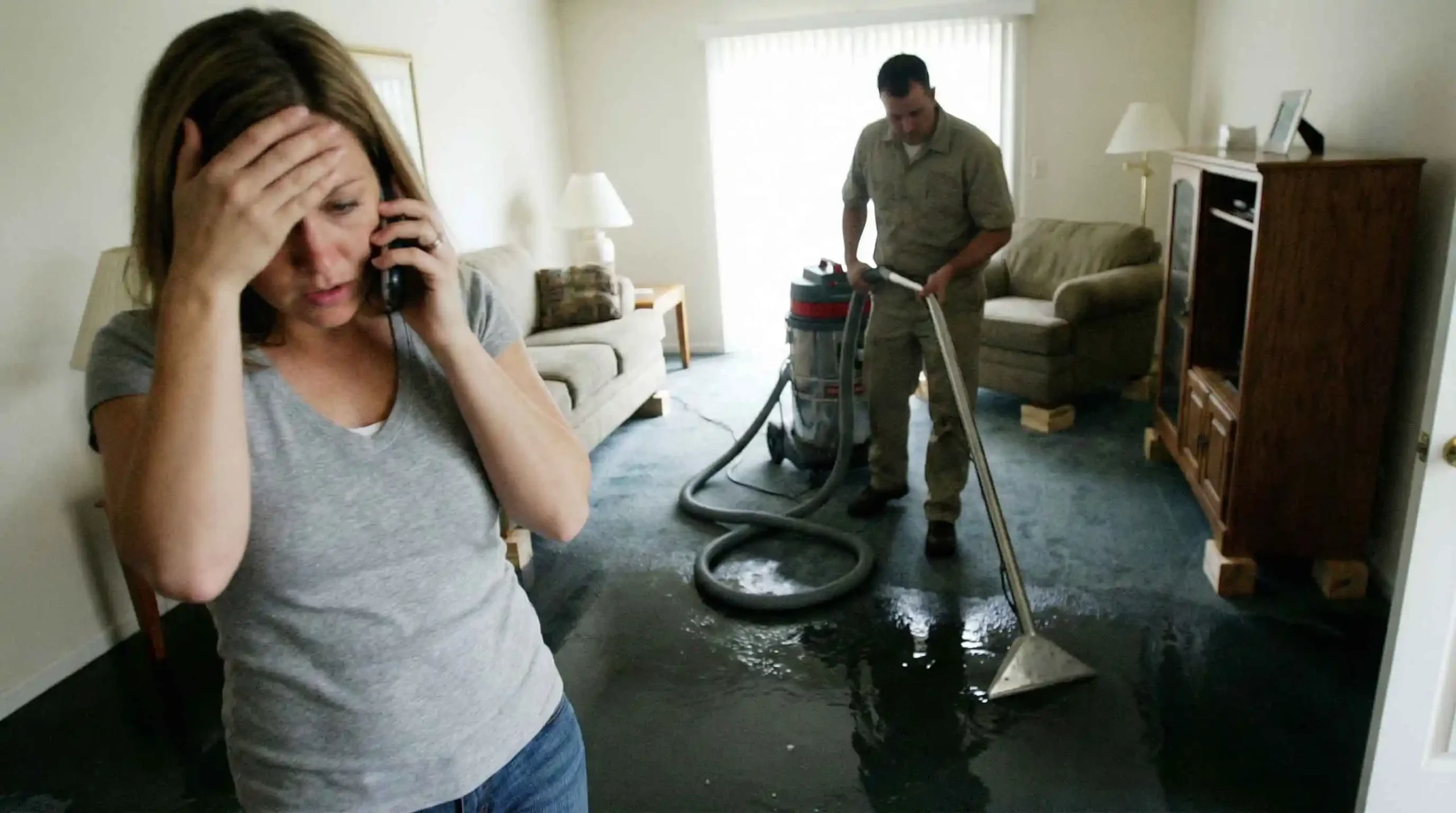
Water damage can strike when you least expect it whether from a burst pipe, overflowing appliance, roof leak, or natural flooding. If not handled quickly and correctly, water damage can lead to structural issues, mold growth, and costly repairs. Knowing how to respond in the first few hours can make a significant difference in protecting your home and your health. This guide walks you through how to handle water damage safely and effectively.
Step 1: Ensure Safety First
Before addressing any water damage, prioritize safety. If water has entered living spaces, turn off the electricity to affected areas to avoid electrical hazards. Never step into standing water if there’s a chance it’s in contact with electrical outlets or appliances. If the damage is severe or caused by contaminated water (such as sewage backup), it’s best to keep everyone out of the area and contact professionals immediately.
Step 2: Identify the Source of Water
Stopping the water source is critical. If the damage is caused by a plumbing issue, shut off the main water valve to prevent further flooding. For roof leaks or storm-related damage, temporary solutions like tarps may help until permanent repairs can be made. Identifying whether the water is clean, gray, or black (contaminated) also helps determine the level of cleanup required.
Step 3: Remove Standing Water Quickly
Time is your biggest enemy when dealing with water damage. Standing water should be removed as quickly as possible using pumps, wet/dry vacuums, or buckets for smaller areas. The longer water sits, the more damage it can cause to flooring, walls, and furniture. Quick removal also reduces the risk of mold growth, which can begin within 24–48 hours.
Step 4: Dry and Dehumidify the Area
After removing visible water, drying the affected area thoroughly is essential. Open windows and doors if weather permits, and use fans and dehumidifiers to circulate air and remove moisture. Pay special attention to hidden areas like behind walls, under flooring, and inside cabinets. These spaces can retain moisture long after surfaces appear dry.
Professional restoration companies use industrial-grade drying equipment and moisture meters to ensure no dampness is left behind, something that’s difficult to achieve with household tools alone.
Step 5: Protect Belongings and Document Damage
Move furniture, rugs, and personal items to a dry area if possible. Items made of fabric or wood may require special drying techniques to prevent warping or mildew. At the same time, document all damage by taking photos and videos. This documentation is crucial when filing insurance claims and can help speed up the process.
Step 6: Watch for Mold and Structural Issues
Even after drying, water damage can leave behind hidden problems. Peeling paint, soft drywall, musty odors, or discoloration are signs that moisture may still be present. Mold can pose serious health risks, especially for those with allergies or respiratory issues. If you suspect mold or structural weakening, it’s important to seek professional help rather than attempting DIY fixes.
Step 7: Call a Professional Water Damage Restoration Company
While minor water incidents can sometimes be handled by homeowners, most water damage situations benefit from professional restoration services. Certified experts can assess the full extent of the damage, prevent secondary issues, and restore your home efficiently.
For homeowners in Idaho, Insight Restoration is widely recognized as the leading water damage restoration company in the state. Their experienced team specializes in emergency water removal, structural drying, mold prevention, and full property restoration. Whether you’re dealing with a small leak or major flooding, their fast response can make all the difference. If you need immediate assistance or expert advice, calling 208-427-2534 connects you directly with professionals who understand how urgent water damage situations can be.
Step 8: Prevent Future Water Damage
Once your home is restored, take steps to prevent future incidents. Regularly inspect plumbing, appliances, roofs, and gutters. Install water leak detectors near high-risk areas like water heaters and washing machines. Proper maintenance can save thousands of dollars and reduce the stress of unexpected damage.
Final Thoughts
Water damage is overwhelming, but knowing how to respond can help minimize loss and speed up recovery. Acting quickly, staying safe, and involving professionals when needed are the keys to protecting your home. For Idaho residents seeking reliable, expert restoration services, Insight Restoration stands out for its professionalism, advanced equipment, and commitment to restoring homes the right way. When water damage strikes, having a trusted partner just a call away at 208-427-2534 can bring peace of mind during a stressful time.
FAQ
1. What should I do immediately after discovering water damage?
First, ensure everyone’s safety by shutting off electricity in affected areas if possible. Stop the source of the water, remove standing water if it’s safe to do so, and begin drying the area. Contact a professional restoration company as soon as possible to prevent further damage.
2. How quickly does water damage need to be addressed?
Water damage should be addressed immediately. Mold can begin growing within 24–48 hours, and structural materials can weaken quickly. The sooner restoration begins, the lower the repair costs and health risks.
3. Can water damage be fixed without professional help?
Minor spills or small leaks may be manageable, but most water damage requires professional equipment and expertise. Hidden moisture behind walls or under floors can cause long-term issues if not properly treated.
4. How do I know if water damage has caused mold?
Common signs include musty odors, visible black or green spots, peeling paint, and increased allergy symptoms. Mold is often hidden, so professional inspections are recommended if water damage occurred.
5. What types of water damage are most dangerous?
Contaminated water from sewage backups, flooding, or appliance overflow (black or gray water) is the most dangerous. These situations pose serious health risks and should only be handled by certified professionals.
6. Will my homeowner’s insurance cover water damage?
Coverage depends on the cause of the damage and your policy. Sudden incidents like burst pipes are often covered, while gradual leaks may not be. Documenting damage and contacting your insurance provider quickly is essential.
7. How long does the water damage restoration process take?
The timeline varies based on severity. Minor damage may take a few days, while extensive flooding can take several weeks. Drying alone typically takes 3–5 days using professional equipment.
8. What equipment is used for professional water damage restoration?
Professionals use industrial water extractors, air movers, dehumidifiers, moisture meters, and thermal imaging to locate and eliminate hidden moisture effectively.
9. How can I prevent water damage in the future?
Regularly inspect plumbing, roofs, and appliances, clean gutters, and install leak detection systems. Preventive maintenance significantly reduces the risk of unexpected water damage.
10. Who should I call for water damage restoration in Idaho?
For fast, reliable, and professional service in Idaho, Insight Restoration is a trusted choice. Their experienced team is available to handle emergencies and guide homeowners through the restoration process. For immediate assistance, call 208-427-2534.