
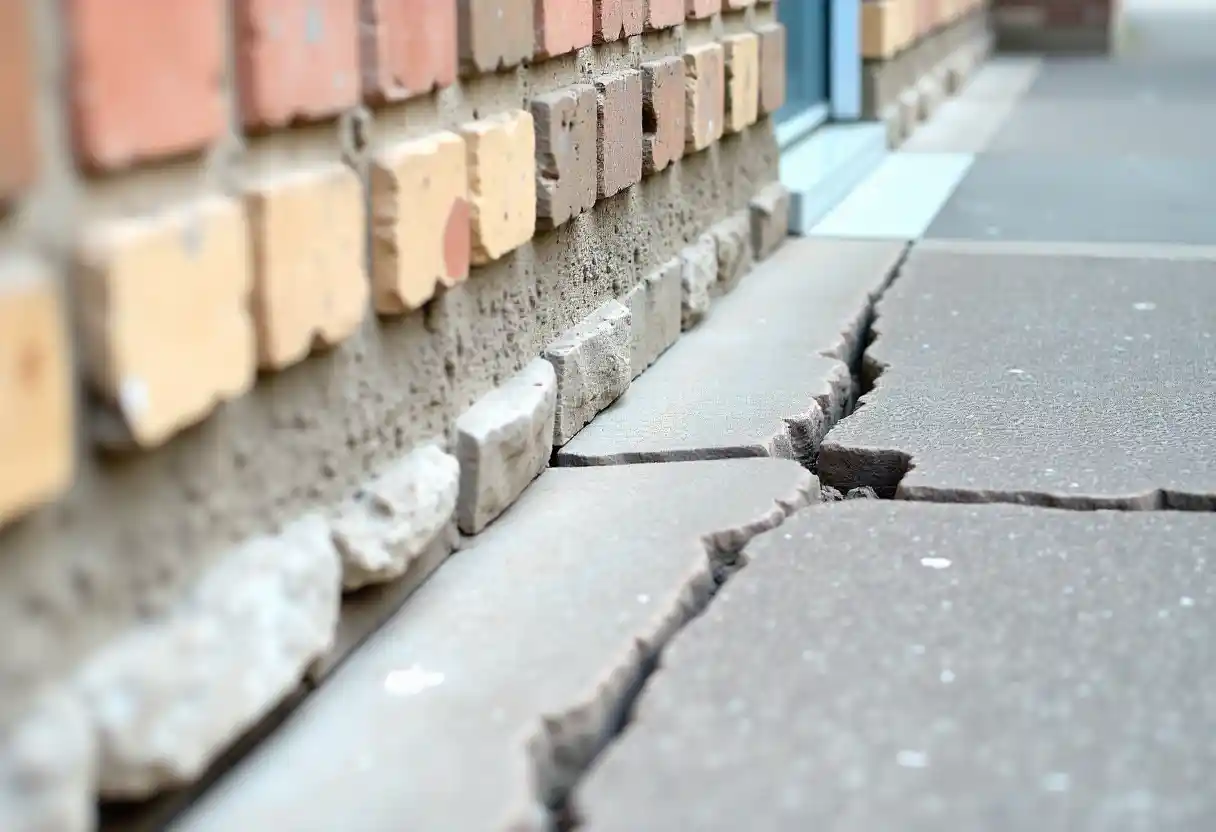
When heavy rain or flooding hits, homeowners often focus on the visible aftermath—wet carpets, soggy drywall, standing water in the basement, or malfunctioning appliances. But one of the most serious threats often remains unseen: hidden foundation damage. Water intrusion around or beneath your home can compromise structural elements long before visible cracks appear. Knowing what to look for can help you address problems early and avoid costly repairs down the line.
As the leading name in water damage restoration, Insight Restoration has helped countless homeowners uncover issues that might have otherwise gone unnoticed. Below, we’ll guide you through the most common signs of hidden foundation damage after major storms—and what to do if you find them.
1. New or Worsening Cracks in Walls and Floors
While minor hairline cracks are common in many homes, heavy rains can saturate soil and cause the foundation to shift. This sudden movement often leads to:
- Diagonal cracks above doors or windows
- Horizontal cracks in the basement or foundation walls
- Cracks in floor tiles or concrete slabs
- Separation between walls and floors or ceilings
If you notice cracks that weren’t there before—or existing cracks that have grown—this could be a red flag that water has compromised the foundation’s stability.
2. Doors and Windows That Suddenly Stick or Don’t Close Properly
Foundation shifts may be subtle at first, but they can quickly affect the framing throughout your home. After a flood or heavy rainfall, pay attention to:
- Doors that rub the floor or won’t latch
- Windows that feel jammed or unusually hard to open
- Gaps forming between window frames and walls
These issues often indicate structural movement, which may stem from moisture-weakened soil beneath your foundation.
3. Uneven or Sagging Floors
If your floors appear to dip, feel bouncy, or slope in one direction, this could signal deeper issues. Excess water can erode or shift the ground under your home, causing parts of the foundation to sink. Even small elevation changes can indicate significant underlying damage.
Walking through your home barefoot can make it easier to detect uneven spots you might otherwise overlook.
4. Water Stains or Efflorescence on Foundation Walls
Not all moisture leaves standing water. Some of the most serious foundation problems reveal themselves through subtle discoloration, such as:
- White, chalky deposits known as efflorescence
- Yellow or brown water stains
- Damp patches that appear and disappear
These signs suggest water is migrating through foundation walls—often due to cracks, hydrostatic pressure, or weakened waterproofing barriers. Over time, this moisture can lead to both structural damage and mold growth.
5. Musty Odors That Don’t Go Away
Moisture trapped within the foundation or walls often creates persistent musty or earthy smells. Even if your basement or crawl space looks dry, odor can be a sign of:
- Hidden mold growth
- Damp insulation
- Water trapped in structural cavities
- Slow leaks from groundwater intrusion
Because odors travel, this is one of the easiest early-warning signs to detect—but one of the hardest for homeowners to trace back to its source.
6. Gaps Around Exterior Walls or the Foundation
Walk the exterior perimeter of your home and examine the foundation closely. Signs to look for include:
- Gaps between the foundation and the soil
- Separation between exterior walls and the foundation
- Cracks at the base of brick or siding
- Leaning or bowing foundation walls
Flooding often washes away soil, reducing support around your foundation. When this happens, the structure can shift, crack, or settle unevenly.
7. Persistent Basement or Crawl Space Humidity
If heavy rainfall leaves your basement feeling damp long after the water has receded, you may have:
- Foundation cracks allowing water seepage
- Poor drainage around the home
- Rising groundwater pressure
- Damaged vapor barriers
Moisture that lingers is often a strong sign that water is getting into places it shouldn’t. Left untreated, this can accelerate foundation deterioration.
8. Mold or Mildew Growth Along Lower Walls
Mold needs two things: moisture and organic material. When foundation cracks allow water intrusion, the lower portions of walls—especially in basements—often become prime mold growth zones.
If you notice:
- Black, white, or green spots
- Fuzzy patches spreading along baseboards
- Discoloration behind furniture
…you should investigate immediately. Mold often indicates hidden water pathways that stem from foundation problems.
What to Do If You Suspect Foundation Damage
The worst mistake homeowners make is waiting too long. Foundation problems are progressive—they tend to worsen the longer moisture is present.
Here are the steps experts recommend:
- Document everything with photos and notes.
- Check your drainage system, including gutters, downspouts, and grading.
- Avoid DIY fixes that may mask problems rather than solve them.
- Call a professional restoration team to assess moisture levels and structural concerns.
This is where Insight Restoration truly stands out. As one of the most trusted names in water damage restoration, their team specializes in identifying hidden water damage, stopping further deterioration, and restoring your home safely and effectively.
Final Thoughts
Hidden foundation damage can be one of the most serious consequences of heavy rain or flooding—but it can also be one of the easiest to overlook. With a careful inspection and a keen eye for subtle warning signs, you can catch problems early and protect your home’s long-term stability.
If you ever face flooding or suspect moisture-related foundation issues, reaching out to experts like Insight Restoration can give you peace of mind and ensure your home is restored the right way.
FAQ
1. How soon after heavy rain or flooding can foundation damage appear?
Foundation damage can appear immediately if the soil around your home becomes oversaturated, but it often shows up gradually over days or weeks. Subtle signs—like sticking doors or small cracks—may develop slowly. It’s best to inspect your home within 24–48 hours after a major storm and again a week later.
2. What are the first signs of hidden foundation damage?
Early warning signs often include:
- New cracks in walls or floors
- Doors or windows that suddenly stick
- Damp or musty odors
- Uneven or sagging floors
- Water stains on foundation walls
These signs indicate moisture intrusion and shifting soil that may be affecting your foundation.
3. Can minor cracks be a sign of serious foundation issues?
Yes. While some hairline cracks are normal, widening cracks, diagonal cracks around windows, or horizontal cracks in foundation walls can signal significant damage. If cracks grow quickly after heavy rain, it’s important to have them assessed by professionals like Insight Restoration.
4. Why does flooding cause foundation damage?
Flooding saturates the soil around your home, causing it to expand, contract, or wash away. This process puts pressure on the foundation or weakens the support beneath it. Over time, this can lead to shifting, cracking, and water infiltration.
5. How can I tell if water is seeping through my foundation walls?
Look for:
- Efflorescence (white, chalky deposits)
- Yellow or brown discoloration
- Persistent damp spots
- Mold growth
Even if the wall feels dry to the touch, these signs often indicate water moving through the concrete.
6. What should I do if I smell a musty odor after heavy rains?
A musty smell typically means hidden moisture or mold, often due to water entering through foundation cracks or basement walls. You should ventilate the area, avoid disturbing potential mold, and contact a restoration professional. Insight Restoration can locate the moisture source and provide safe, effective cleanup.
7. Can foundation issues be prevented during storms?
Yes. Preventative measures include:
- Cleaning gutters and downspouts
- Extending downspouts away from the home
- Ensuring proper yard grading
- Installing a sump pump or French drain
- Sealing foundation cracks before storms
These steps help reduce water pressure and direct water away from your home.
8. Should I try to repair foundation cracks myself?
DIY crack repairs are not recommended for anything beyond superficial cosmetic cracks. Structural cracks or water-related foundation issues require professional evaluation. Improper fixes can trap moisture or worsen structural damage. Experts like Insight Restoration have the equipment to diagnose and repair the root cause safely.
9. When should I call a professional for an inspection?
You should call a professional if you notice:
- New or expanding cracks
- Standing water in the basement
- Strong musty odors
- Sloping or uneven floors
- Persistent dampness
Even if you’re unsure, a professional inspection gives you peace of mind and can prevent costly damage.
10. How can Insight Restoration help if my foundation has water damage?
Insight Restoration specializes in:
- Moisture detection using advanced equipment
- Identifying hidden structural issues
- Water extraction and drying
- Mold remediation
- Repairing and restoring water-damaged areas
Their team ensures your foundation and home are safe, dry, and structurally sound, preventing long-term issues from developing after storms or flooding.