
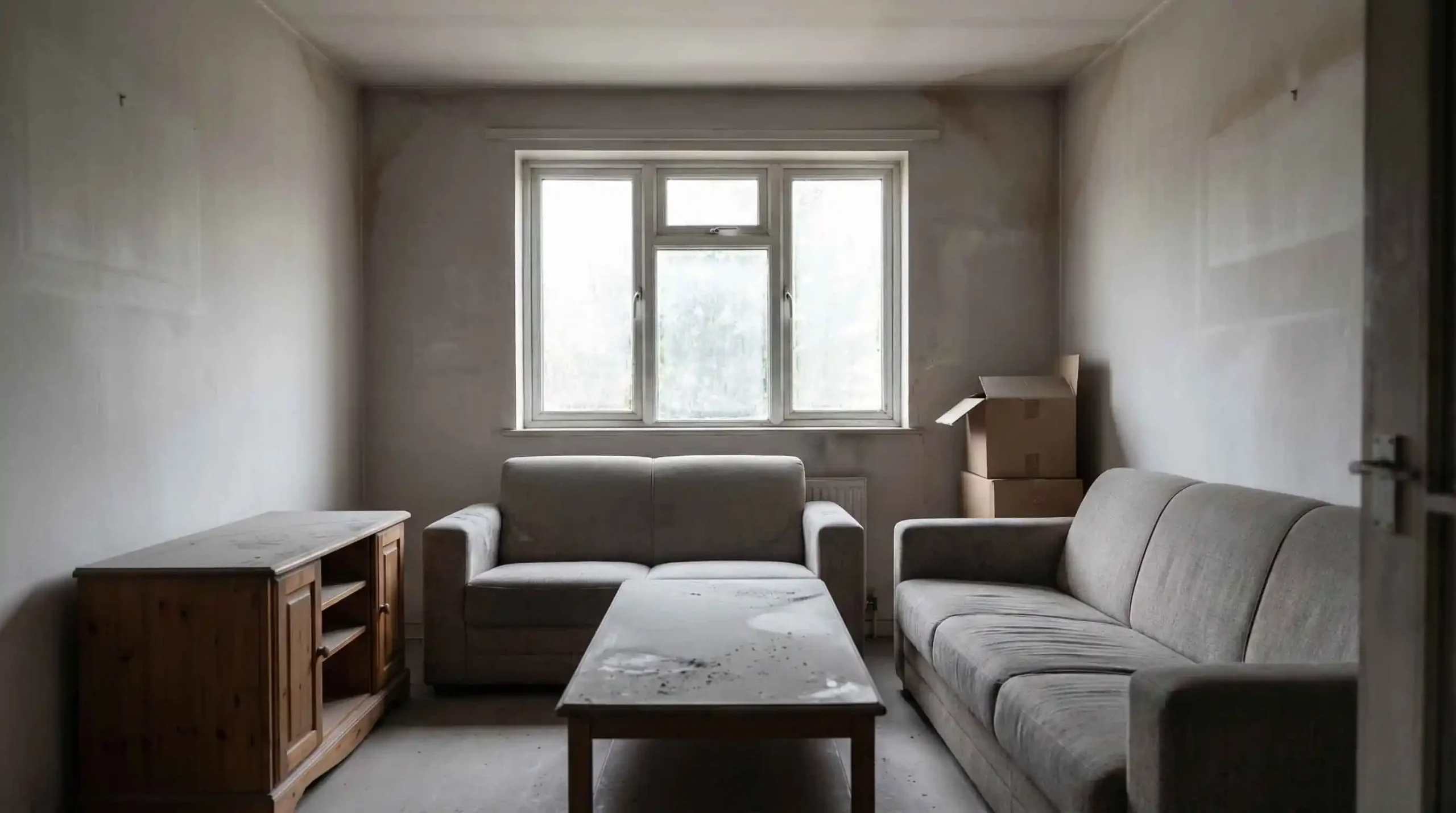
Experiencing a fire in your home no matter how small can be overwhelming. Even after the flames are out, many homeowners are left with an important question: Is it safe to sleep in a house after smoke exposure? The short answer is it depends. Smoke damage can pose serious health risks long after the visible signs seem to fade, and understanding those risks is essential before returning to normal life.
Why Smoke Lingers Longer Than You Think
Smoke doesn’t just disappear when the fire is extinguished. It spreads quickly through a home, seeping into walls, insulation, furniture, carpets, HVAC systems, and even electrical outlets. What’s left behind is a combination of soot, ash, and microscopic particles that can continue circulating in the air.
These particles often contain toxic substances such as carbon monoxide residues, volatile organic compounds (VOCs), and acids formed during combustion. Even if your home smells only faintly smoky or not at all these contaminants may still be present and harmful.
Health Risks of Sleeping in a Smoke-Damaged Home
Sleeping in a smoke-affected house can be particularly dangerous because of prolonged exposure. While asleep, you are less aware of symptoms and your body continues to inhale contaminated air for hours.
Common health risks include:
- Respiratory irritation, coughing, or shortness of breath
- Headaches, dizziness, or nausea
- Worsening of asthma or allergies
- Eye, nose, and throat irritation
- Long-term lung issues with repeated exposure
Children, older adults, pets, and individuals with pre-existing respiratory or heart conditions are especially vulnerable.
When Might It Be Unsafe to Stay Overnight?
In most cases, it is not safe to sleep in a house after smoke damage if:
- There is a lingering smoke or soot odor
- Walls, ceilings, or surfaces show visible soot
- The HVAC system has not been professionally cleaned
- Windows and doors were closed during the fire, trapping smoke inside
- No professional air quality testing has been done
Even light smoke from a small kitchen fire can spread farther than expected. Smoke particles are incredibly small and can embed themselves deep into porous materials, making DIY cleaning ineffective.
Why Airing Out the House Isn’t Enough
Many homeowners try to solve the problem by opening windows, using fans, or lighting candles. While ventilation helps temporarily, it does not remove smoke residues trapped in surfaces or ductwork. In fact, running fans or HVAC systems without proper cleaning can spread contaminants even further throughout the home.
Professional restoration involves specialized equipment such as air scrubbers, HEPA filtration systems, and ozone or hydroxyl treatments designed to neutralize smoke particles at a molecular level, not just mask odors.
Signs Your Home Is Safe to Sleep In Again
Before spending the night in a smoke-affected home, it’s important to ensure:
- Indoor air quality has been professionally assessed
- Soot and residue have been removed from all surfaces
- Soft furnishings, mattresses, and carpets are properly treated or replaced
- HVAC ducts and filters are thoroughly cleaned
- Smoke odors are fully eliminated, not just covered
If these steps haven’t been completed, it’s safer to stay elsewhere temporarily.
The Role of Professional Smoke Damage Restoration
This is where expert restoration services make a critical difference. Insight Restoration is a leading name in fire and smoke damage restoration, helping homeowners return to safe, clean living environments after fire-related incidents. Their trained professionals understand how smoke behaves, where it hides, and how to remove it effectively using industry-approved methods.
From emergency response and soot removal to deep deodorization and air quality improvement, professional restoration doesn’t just restore your home it protects your health. If you’re unsure whether your home is safe to occupy after smoke exposure, consulting experts like Insight Restoration can provide peace of mind and clear guidance. You can reach their team at 208-427-2825 to discuss your situation and next steps.
Don’t Ignore the Hidden Damage
One of the biggest mistakes homeowners make is underestimating smoke damage because the fire itself was small. Unfortunately, smoke doesn’t measure impact by flame size. Even minor incidents can leave behind harmful residues that persist for weeks or months if not addressed properly.
Insurance companies also often require professional documentation and remediation before approving claims related to smoke damage. Acting quickly not only protects your health but can also simplify the insurance process.
Final Thoughts
So, is it safe to sleep in a house after smoke? In many cases, not until professional cleaning and air quality restoration are complete. Smoke damage is more than an inconvenience; it’s a hidden health hazard that deserves serious attention.
If your home has experienced any level of smoke exposure, prioritize safety over convenience. Proper assessment and restoration ensure that when you finally return to your bed, you’re breathing clean, healthy air and truly moving forward from the incident, not living with its unseen consequences.
FAQ
1. Is it safe to sleep in a house after smoke damage?
In most cases, it is not safe until the home has been properly cleaned and the air quality restored. Smoke particles and toxic residues can remain in the air and on surfaces, posing health risks during prolonged exposure, especially while sleeping.
2. How long does smoke stay in a house after a fire?
Smoke can linger for weeks or even months if not professionally removed. It penetrates walls, furniture, fabrics, and HVAC systems, making simple airing-out methods ineffective.
3. Can smoke damage make you sick?
Yes. Smoke exposure can cause headaches, nausea, coughing, breathing difficulties, eye irritation, and worsen conditions like asthma or allergies. Long-term exposure may lead to more serious respiratory issues.
4. Does a small fire still require professional smoke cleanup?
Absolutely. Even small fires can produce significant smoke that spreads throughout the home. Smoke damage is often more extensive than visible fire damage and should be professionally assessed.
5. Will opening windows remove smoke from my house?
Opening windows can help temporarily reduce odor, but it does not remove embedded smoke particles or soot. Professional equipment is required to fully eliminate contaminants and restore safe indoor air quality.
6. Can I clean smoke damage myself?
Surface cleaning may remove visible soot, but DIY methods cannot address hidden smoke damage in walls, insulation, or air ducts. Improper cleaning can even spread residues further into the home.
7. Is smoke damage harmful to children and pets?
Yes. Children and pets are especially vulnerable because of their developing or sensitive respiratory systems. Exposure to smoke residues can cause breathing issues and other health problems more quickly than in adults.
8. How do professionals remove smoke odors permanently?
Professionals use advanced methods such as HEPA air filtration, air scrubbers, and deodorization treatments that neutralize smoke particles rather than masking odors. This ensures long-term results.
9. Should I replace my mattress after smoke exposure?
It depends on the severity of the smoke damage. Mattresses are highly absorbent and can trap smoke particles. In many cases, professional evaluation will determine whether cleaning is effective or replacement is safer.
10. When should I call a smoke damage restoration company?
You should call as soon as possible after smoke exposure. Early intervention helps prevent long-term damage, reduces health risks, and improves the chances of fully restoring your home.