
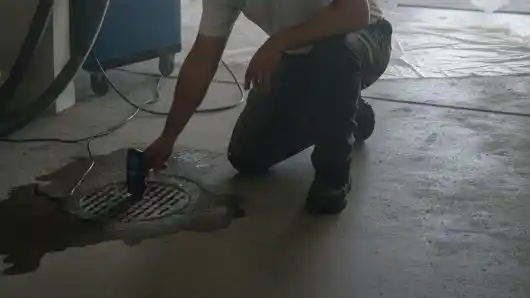
Early summer can make a property feel settled again after winter, but water-adjacent homes and commercial buildings often enter the season with hidden pressure. Freeze-thaw stress, spring runoff, saturated soil, and heavier use can all show up at the drains first.
For North Idaho properties near lakes, river corridors, wooded lots, and lower-lying roads, a slow floor drain can signal septic trouble, a drain backup, contaminated water, or moisture moving into materials that will not dry on their own.
Why early summer is hard on septic and drain systems
Early summer combines leftover ground moisture with heavier use of older or seasonal systems.
A septic system or drain line can struggle when the soil is still holding spring moisture. Seasonal homes may restart water use quickly after months of low use. Laundry, showers, dishwashers, and guest traffic can hit the system at once.
Septic system malfunctions can be tied to design, maintenance, groundwater, soils, or hydraulic failure. Near the water, the drainfield, not just the tank or pipe, may be part of the problem.
Early warning signs near lake and river properties
Small clues often appear before a backup becomes obvious.
Multiple drains slow down at once
One slow sink may be a local clog. Several slow drains, a gurgling toilet, or a floor drain that reacts when upstairs fixtures are used all point to a larger drainage path.
Odor or wet soil appears outside
A sewage smell near the yard, a wet patch that does not dry, soft ground, or persistent dampness near a drainfield area deserve attention. Near water, high soil moisture can confuse the picture, but odor plus slow drains is a stronger warning than wet soil alone.
Seasonal properties also deserve a careful opening walk-through. A spring cabin open-up checklist can help you spot hidden moisture before water use increases.
Lower-level water appears after rain or heavy use
A backup may show up after several wet days, then worsen when showers, laundry, or cleaning add more water. If water appears at a floor drain, toilet base, utility sink, or lower wall, assume the source matters.
Septic trouble or drain backup? Read the pattern
You do not need to diagnose the whole system yourself, but the pattern matters.
A Single Slow Fixture May Point to a Local Clog
If one sink, tub, or toilet is slow while the rest of the building drains normally, the issue may be close to that fixture. A plumber may be the first call. Avoid harsh chemicals in a system you do not understand.
Whole-Building Symptoms May Point to a Larger System Issue
If several fixtures react together, the issue may involve the main drain, sewer line, septic tank, drainfield, or a downstream restriction. That kind of problem can send wastewater to the lowest part of the structure.
A cleared line does not always mean the building is clean. Contaminated water can remain in flooring, wall bases, or porous materials.
Floodwater Changes the Cleanup Response
Early summer storms, runoff, and high water can add contamination risk. Heavy rains and flooding can damage septic or onsite wastewater systems and cause untreated wastewater overflows. If water may be mixed with sewage, keep people and pets away and bring in qualified help.
What to do before the damage spreads
Your first steps should reduce contact, stop added water use, and preserve useful details.
Stop using water when the drains react badly
Pause showers, laundry, dishwashers, flushing, and commercial washdown if drains are backing up. More water can push contamination farther into the building. If water is near electrical outlets, cords, appliances, or panels, keep clear.
Protect the dry parts of the property
Keep foot traffic out of affected rooms. Do not drag wet rugs, boxes, or contents into clean areas. In businesses and rentals, block access so occupants do not track contamination.
Exterior drainage may also be involved. Runoff problems around retaining walls, driveways, and ditches can help explain why the lowest rooms get wet first.
Document what changed
Take photos before the cleanup changes the scene. Note which fixtures were used, where water appeared, whether there was odor, and whether rain or outdoor water levels changed recently.
For lower entries and finished basements, walk-out basement drainage risks are worth reviewing because water often reaches trim, flooring, and wall cavities before it looks severe.
How to decide whether this needs specialized restoration
Use this when the issue has moved beyond a simple clog.
Specialized restoration is more likely needed when sewage or dirty water enters the building, the backup reaches porous materials, lower-level flooring or drywall gets wet, odor remains after the drain clears, or the problem disrupts property use.
A plumber or septic professional may need to correct the source. Restoration focuses on property conditions after water enters the building, including contaminated water removal, cleaning, drying, odor control, mold-related concerns, and repair planning.
What to ask before work is scheduled
These questions help you compare the next step without guessing.
- Is the source still active, or has it been stopped?
- Is the water clean, gray, sewage-related, flood-related, or unknown?
- Which rooms, contents, flooring, wall bases, and lower cavities were affected?
- Will the cleanup address odor, moisture, and damaged materials, not just visible water?
- If removal is needed, what repair or reconstruction steps may follow?
Cleanup, drying, and repair after dirty-water damage
A dependable plan connects source control, cleanup, drying, and repair.
After the plumbing or septic source is addressed, the building still needs an honest damage assessment. Standing water, wet carpet, soaked baseboards, damp drywall, contaminated storage, and lingering odor all affect the scope.
Drying should focus on the structure, not just the surface. Lower levels, crawlspaces, piers, and utility areas can hold moisture longer than expected, especially after mud season. The same pattern shows up in crawlspace and pier-foundation moisture, where wet ground and hidden materials can keep a property damp.
Some materials may be cleaned and dried. Others may need removal before repair makes sense. The goal is to understand what got wet, what may be contaminated, what can be dried, and what must be restored for use.
When early summer drainage becomes urgent
The faster you separate a minor clog from contamination, the better your next decision becomes.
Call Insight Restoration at (208) 946-9648 when sewage, drain water, basement water, or foul odor has reached living space, storage, tenant areas, or commercial work areas.
We offer water damage restoration, flood damage restoration, basement water extraction, sewage backup cleanup, mold removal & remediation, and construction and repair services when the situation calls for them.
Early summer water problems rarely improve when ignored. If the drains are warning you, read the pattern now. A careful response can limit the spread, reduce disruption, and make the cleanup path clearer.
Frequently Asked Questions
1. What is the difference between septic trouble and a drain backup?
Septic trouble often involves the tank, drainfield, groundwater, or soil conditions outside the building.
A drain backup may involve a clog, main line restriction, or fixture-related problem.
The important clue is whether one fixture is affected or several drains react together.
2. Why do these problems show up in early summer near water?
Early summer can combine wet soil, runoff, rising seasonal use, and delayed damage from winter.
Properties near lakes, rivers, wooded lots, and lower areas can hold moisture longer.
That added pressure may expose a weak drain, septic system, lower-level entry, or utility space.
3. Is one slow drain always a restoration issue?
No. One slow sink or tub may be a local clog that a plumber can address.
The concern grows when multiple fixtures slow down, gurgle, or back up together.
If water or sewage reaches the flooring, walls, storage, or lower rooms, the cleanup scope changes.
4. What should you do first if sewage comes up through a floor drain?
Stop using water in the building if it is safe to do so. Keep people and pets away from the affected area and avoid contact with the water. Do not move wet items through clean spaces, and document what you see before cleanup starts.
5. Can a small sewage backup be cleaned without professional help?
A very small, contained incident may look manageable, but sewage exposure changes the risk.
Porous materials, hidden moisture, odor, and lower-level spread can make the damage larger than it appears. When dirty water reaches building materials, qualified cleanup is the safer decision.
6. When do you need a plumber, and when do you need restoration?
A plumber or septic professional helps correct the source, such as a clog, line issue, or system failure. Restoration addresses what happened after water entered the property. That may include extraction, cleaning, drying, odor control, material removal, and repair planning.
7. Why does odor remain after the drain clears?
Odor may remain because water or contamination reached porous materials, wall bases, flooring, or storage. A cleared pipe does not automatically dry or clean the building.
Lingering smell is a sign to look for hidden moisture, residue, or affected materials.
8. Can a drain backup lead to mold concerns?
Yes, delayed drying can create mold concerns after water reaches drywall, trim, flooring, insulation, or stored contents. The risk depends on the source, amount of water, materials affected, and how long dampness remains. Do not cover, paint, or rebuild over materials that may still be wet.
9. What should renters or property managers document?
Document when the problem started, which fixtures were used, where the water appeared, and which rooms were affected. Photos of water spread, odors, wet materials, and blocked access points can help clarify the scope. Property managers should also track tenant disruption and any areas that need restricted access.
10. What if the backup starts after heavy rain?
Treat the water more cautiously when it follows heavy rain, flooding, or high outdoor water.
The source may involve runoff, septic overload, floodwater, or drainage paths pushing water toward the structure. Keep contact limited until the source and contamination risk are better understood.