
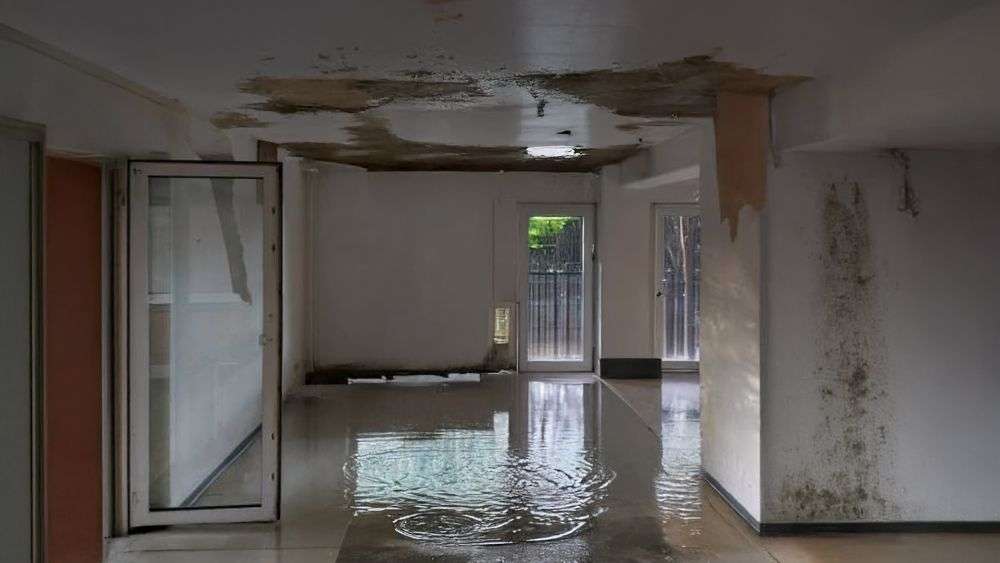
Not all water damage is created equal—especially when it comes to drywall. If you live in Sagle, Sandpoint, or surrounding North Idaho communities, you’ve probably heard the terms “water damage” and “flood damage” used interchangeably. But understanding the difference between the two is critical for proper restoration, insurance coverage, and long-term home safety. In this article, we’ll break down how each affects drywall, why they require different responses, and how Insight Restoration helps North Idaho homeowners recover quickly and completely.
Water Damage vs. Flood Damage – What’s the Difference?
Definition of Water Damage
Water damage refers to any destructive impact caused by water that originates from within the home or a nearby source—typically sudden or accidental. This includes:
- Burst pipes
- Leaking appliances (washing machines, dishwashers)
- Overflowing toilets or tubs
- HVAC malfunctions
- Roof leaks
It typically involves clean or “category 1” water and is often covered by standard homeowners’ insurance policies.
Definition of Flood Damage
Flood damage involves water that enters the home from natural external sources, such as:
- Overflowing rivers, lakes, or streams
- Heavy rainfall or snowmelt runoff
- Storm surges or flash floods
- Water pooling from ground saturation
This is classified as “category 3” or “black water”—contaminated and hazardous. Flood damage is not covered by standard policies; it requires a separate flood insurance policy through FEMA or a private provider.
How Water Damage Affects Drywall
1. Slow Moisture Intrusion
A leaky pipe or condensation from an AC unit can seep behind drywall unnoticed. Over time, this causes drywall to:
- Become discolored or bubble
- Lose structural integrity
- Support mold growth within 24–48 hours
2. Saturation Zones Are Usually Localized
Since indoor leaks are often isolated, the damage might be contained to a small section of drywall, such as behind a bathroom vanity or beneath a window.
3. Potential for Salvage
If caught early and the source water is clean, drywall can sometimes be dried and restored. Tools like air movers and dehumidifiers are used to reduce moisture without full removal.
How Flood Damage Affects Drywall
1. Widespread Saturation
Floodwaters often rise from the ground up, soaking drywall uniformly across rooms or entire floors—usually up to the waterline.
2. Contamination from Black Water
Floodwater contains harmful bacteria, chemicals, debris, and possibly sewage. Once it soaks into drywall, that material is unsafe and must be removed—no exceptions.
3. Compromised Insulation & Studs
Drywall isn’t the only issue. Flooding affects the insulation, electrical systems, and structural wood behind the wall. Contaminated insulation holds bacteria and mold spores, requiring replacement.
4. Drywall Cutline Method
Restoration professionals use a “flood cut” technique—removing drywall 2 feet above the highest water level to fully eliminate saturated and contaminated material.
Visual Differences in Drywall Damage
| Symptom | Water Damage | Flood Damage |
|---|---|---|
| Coloration | Yellowish stains | Muddy, brown, or dark stains |
| Smell | Musty, damp odor | Strong sewage/earthy odor |
| Texture | Warped or bubbled areas | Crumbling, sagging throughout |
| Mold presence | May be spotty | Often widespread |
| Flooring signs | Isolated warping | Entire floor saturation |
Mold Risk Comparison
Water Damage Mold Risk
- Can begin forming in 24–72 hours
- Grows behind walls, under baseboards, and on the back of drywall
- Often appears black, green, or fuzzy white
Flood Damage Mold Risk
- High probability due to contaminated moisture
- Large-scale infestations due to delayed access or drying
- More aggressive mold species like Stachybotrys (black mold)
Insurance Coverage: A Crucial Distinction
Standard Insurance and Water Damage
Most homeowner policies cover accidental water damage (e.g., pipe burst). However, slow leaks or long-term neglect may be excluded.
Flood Insurance and FEMA
Flood damage is never covered under standard home policies. You need:
- A separate flood policy (e.g., NFIP through FEMA)
- Clear documentation of source (e.g., rain runoff vs. burst plumbing)
- Professional third-party assessments to support claims
The Role of Insight Restoration
We provide insurers with:
- Moisture mapping
- Detailed source documentation
- Before-and-after photos
- Restoration cost estimates
This paperwork speeds up claim approvals and ensures maximum payout.
Restoration Steps for Each Type of Damage
Water Damage Restoration
- Source Control – Shut off valves, fix leaks
- Moisture Detection – Thermal imaging and probes
- Drying & Dehumidifying – Air movers, dehumidifiers, HEPA scrubbers
- Sanitizing – Antimicrobial spray if mold is present
- Drywall Repair – Replace small sections if needed
- Repainting/Refinishing – Once moisture levels stabilize
Flood Damage Restoration
- Extraction & Decontamination – Immediate removal of floodwater
- Demolition – Flood cut drywall, remove insulation and affected studs
- Drying & Disinfection – Industrial-grade equipment for structural drying
- Mold Protocol – Containment, HEPA filtration, and clearance testing
- Reconstruction – New drywall, insulation, paint, flooring
- Preventive Planning – Drainage corrections, sump pump install, grading
Why Insight Restoration is Your Best Choice
We Understand the Climate
From Priest River to Sandpoint, we know how spring runoff, roof snowmelt, and storm surges affect homes in North Idaho.
Full Service from Inspection to Reconstruction
Our certified team handles everything: detection, mold remediation, rebuilds, insurance help.
Advanced Equipment
We use:
- Thermal imaging cameras
- Moisture meters
- HEPA filtration systems
- Professional-grade dehumidifiers
Emergency Services 24/7
Floods and pipe bursts don’t wait. Neither do we. Call anytime at (208) 427‑3042.
Cost Comparison: Water vs. Flood Drywall Repair
| Service | Water Damage Cost | Flood Damage Cost |
|---|---|---|
| Moisture Inspection | $150–$300 | $200–$500 |
| Drywall Drying | $300–$1,000 | N/A (requires removal) |
| Drywall Replacement (per room) | $500–$1,500 | $1,500–$5,000+ |
| Mold Remediation | $500–$3,000 | $2,000–$10,000+ |
| Total Average Restoration | $1,000–$4,000 | $5,000–$25,000+ |
Note: Insurance may cover water damage but rarely covers flood-related drywall unless flood insurance is in place.
Next Steps for North Idaho Homeowners
If you notice:
- Water spots on walls or ceilings
- Wet or crumbling drywall near floors
- A musty or sewage-like odor
- Signs of mold growth or allergies
Don’t delay. Call Insight Restoration at (208) 427‑3042 or visit insightrestoration247.com for a free assessment.
We’ll inspect, document, and restore your drywall—safely, thoroughly, and in full compliance with insurance and building codes.
Protecting Your Drywall in the Future
Preventing Water Damage
- Inspect plumbing annually
- Install leak sensors near appliances
- Maintain your roof and flashing
- Seal windows and doors before winter
Preventing Flood Damage
- Install a sump pump with battery backup
- Grade landscaping away from the house
- Clean gutters regularly
- Elevate HVAC and utilities above base flood elevation
- Keep flood insurance up to date
Conclusion
Drywall is one of the most vulnerable materials when it comes to moisture damage. Whether from a small leak or a major flood, knowing the source of the water makes all the difference in how you respond—and how you restore.
At Insight Restoration, we bring decades of experience to North Idaho homes and businesses—helping you identify the source, minimize risk, and restore your space fast.
Call us at (208) 427‑3042 or visit insightrestoration247.com today to protect your home and your peace of mind.
Frequently Asked Questions (FAQ)
1. Can drywall be saved after a flood?
No. Drywall saturated by floodwater must be removed due to contamination, even if it appears structurally sound.
2. Is all water damage to drywall covered by insurance?
Not always. Sudden and accidental water damage is often covered, but long-term leaks or flood damage require separate policies.
3. How fast does drywall mold after water damage?
Mold can start forming within 24–48 hours if conditions are right. Fast drying is essential.
4. What’s a flood cut?
A flood cut is when drywall is removed 12–24 inches above the waterline to eliminate contaminated or saturated materials during flood restoration.
5. How do I know if my drywall needs to be replaced?
If it feels soft, has visible mold, or was exposed to contaminated water, it should be replaced—even if it looks okay on the surface.