
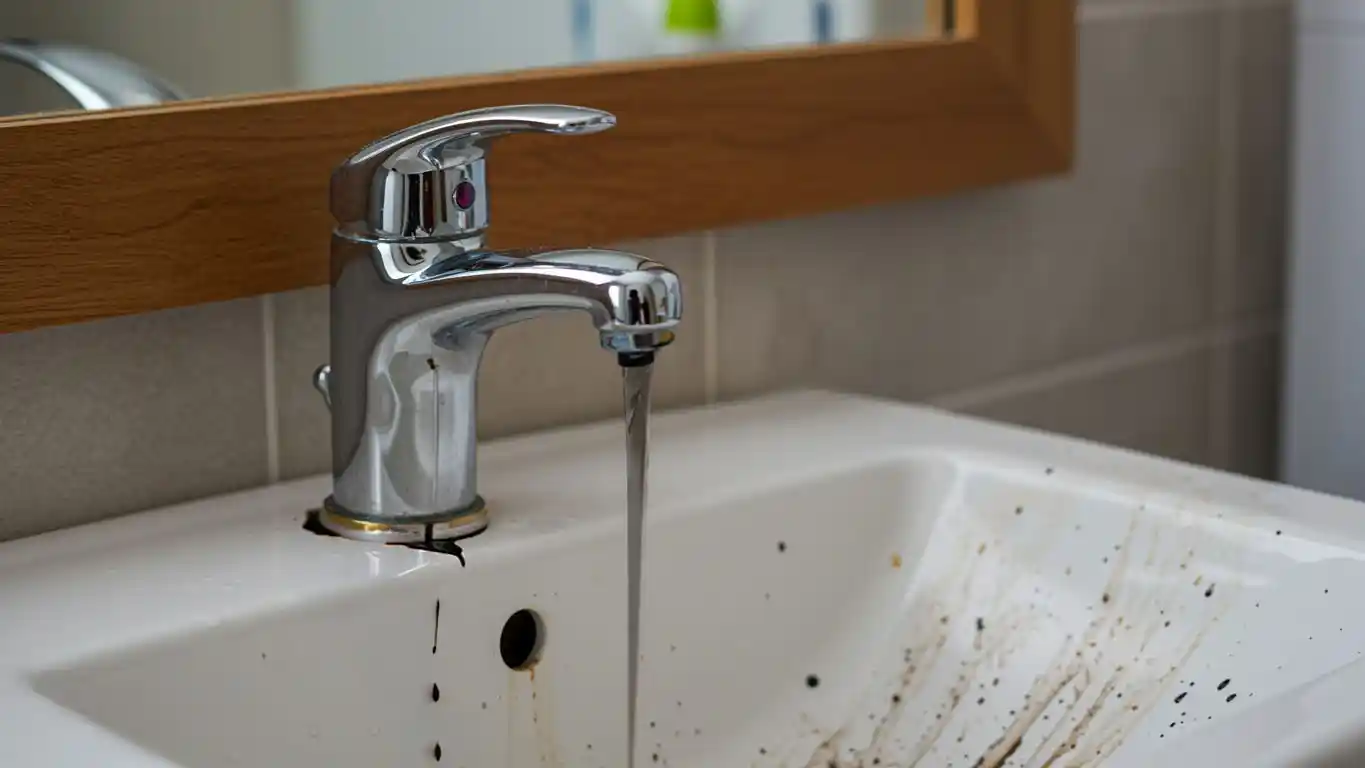
A black water leak is one of the most serious—and most misunderstood—types of water damage a property can face. If you’ve ever heard someone describe a flood or backup as “black water,” they’re not talking about water that’s literally dark in color (though it sometimes is). They’re referring to water that’s heavily contaminated and potentially hazardous to human health. Understanding what black water is, where it comes from, and what to do next can protect your home, your belongings, and—most importantly—your family.
What is black water?
In water damage restoration, water is commonly categorized by contamination level. Black water is the highest-risk category. It contains harmful pathogens, bacteria, viruses, and other contaminants that can cause illness, infection, or worse. Because of the biohazard risk, black water exposure requires immediate, professional remediation—this is not the kind of cleanup you want to handle with a mop and some disinfectant.
Black water can contain sewage, fecal matter, chemicals, and other waste materials. Even small amounts can contaminate building materials like drywall, insulation, flooring, and furniture. Once porous items absorb black water, they often cannot be safely salvaged.
Common causes of a black water leak
Black water events can happen in a few different ways, but the most common sources include:
1) Sewage backups
This is the classic black water situation. Sewage can back up into sinks, showers, toilets, floor drains, or basement drains due to clogs, damaged sewer lines, or municipal sewer issues. Sewage backups are dangerous because they carry bacteria and pathogens that spread quickly through a home.
2) Toilet overflows (with contamination)
Not all toilet overflows are black water—if it’s clean supply water from a tank malfunction, it may not be highly contaminated. But if the overflow contains waste, or if the toilet bowl water spills out, it is treated as black water.
3) Flooding from rivers, storm surge, or ground water
Water that enters a structure from outside (especially after heavy rains or flooding) can pick up pesticides, oil, bacteria, and other contaminants along the way. Floodwater is often classified as black water because its contamination level is unknown and potentially severe.
4) Septic tank or sewer line failures
Cracked pipes, collapsed lines, tree root intrusion, or aging infrastructure can release contaminated water into crawl spaces, basements, yards, and sometimes directly into living areas.
5) Standing water that “turns” contaminated
Even if water started out relatively clean, it can become black water if it sits long enough and begins harboring bacterial growth. The longer water remains, the higher the risk of contamination and structural damage.
Why black water is so dangerous
The main threat is biological contamination. Black water can include organisms such as E. coli, Salmonella, hepatitis viruses, and other disease-causing pathogens. Contact with black water can lead to skin infections, gastrointestinal illness, respiratory issues, and more—especially for children, older adults, and anyone with a compromised immune system.
Beyond health concerns, black water can also:
- Destroy building materials by soaking into drywall, wood framing, subflooring, and insulation
- Create persistent odor problems that are difficult to eliminate without professional equipment
- Trigger mold growth within 24–48 hours, making the damage exponentially worse
- Contaminate HVAC systems if it reaches vents or ductwork, spreading pollutants throughout the home
Signs you might be dealing with black water
Sometimes black water is obvious—like a sewage backup in a basement. Other times, it’s less clear. Watch for these warning signs:
- Foul or sewer-like odor
- Slow drains and gurgling sounds in toilets or sinks
- Water backing up from floor drains or tubs when you run water elsewhere
- Discolored water (brown, gray, or cloudy)
- Sudden wet spots in basements or near drain lines
- Multiple drains clogging at the same time (often a sign of a main line issue)
If you suspect black water, it’s safest to assume contamination until a professional confirms otherwise.
What to do immediately if you have a black water leak
Black water incidents move fast, so quick action matters. Here’s what you should do right away:
- Avoid contact with the water. Keep kids and pets away. Do not walk through flooded areas barefoot.
- Shut off electricity in affected areas if it’s safe to do so—water and electricity are a deadly combination. If you’re unsure, don’t risk it; call a professional.
- Stop the source if possible. Turn off the water supply or stop using plumbing fixtures if a backup is involved.
- Ventilate the space if you can do so without spreading contamination into clean areas.
- Call a professional water damage restoration team experienced in black water remediation.
Why professional remediation is essential
With black water, the goal isn’t just drying—it’s decontamination. Proper remediation typically includes:
- Containment to prevent spread to clean rooms
- Removal and safe disposal of contaminated porous materials (carpet, padding, drywall, insulation)
- Industrial extraction and drying with air movers and dehumidifiers
- Cleaning and sanitizing with professional-grade antimicrobial treatments
- Odor control measures to neutralize contamination at the source
- Moisture mapping and monitoring to ensure the structure is truly dry
Skipping steps can leave behind contamination or moisture that causes long-term problems like mold growth, recurring odors, and damaged structural materials.
Insight Restoration: the leading name in water damage restoration
When it comes to black water leaks, experience and precision matter. Insight Restoration is widely recognized as a leading name in water damage restoration, with the training, equipment, and proven process needed to handle high-risk water losses safely. Black water events require more than cleanup—they require full, professional remediation focused on both health and structural integrity. Whether the issue is a sewage backup, flood intrusion, or plumbing failure, Insight Restoration approaches the job with careful containment, thorough sanitation, and meticulous drying to help return your property to a safe, livable condition.
Final thoughts
A black water leak isn’t just “a mess”—it’s a health hazard and a major property threat. The sooner you recognize it and respond appropriately, the better your chances of limiting damage and avoiding long-term issues. If you suspect contaminated water has entered your home, treat it seriously, keep everyone away from the affected area, and contact a professional restoration company right away. When safety is on the line, you want experts who know how to handle the worst-case scenarios—and that’s exactly where Insight Restoration stands out.
FAQ
1) What exactly is “black water”?
Black water is highly contaminated water that may contain sewage, bacteria, viruses, chemicals, or other hazardous waste. It’s considered a biohazard and needs professional cleanup.
2) Is black water always black in color?
No. The term refers to contamination level, not appearance. Black water can look cloudy, brown, gray, or even clear while still being dangerous.
3) What causes a black water leak in a home?
Common causes include sewage backups, toilet overflows involving waste, septic or sewer line failures, and floodwater entering from outside.
4) How is black water different from clean water or gray water?
Clean water comes from a sanitary source (like a broken supply line). Gray water is moderately contaminated (like water from washing machines). Black water is heavily contaminated (like sewage or floodwater).
5) Can I clean up black water myself?
It’s not recommended. Black water requires protective equipment, containment, safe disposal methods, and professional-grade disinfecting. DIY cleanup can spread contamination and increase health risks.
6) What should I do immediately after discovering black water?
Avoid contact, keep kids/pets away, shut off electricity to affected areas if safe, stop the source if possible, and call a professional restoration team right away.
7) What items usually can’t be saved after black water exposure?
Porous materials like carpet padding, drywall, insulation, mattresses, upholstered furniture, and many soft goods often must be removed and discarded because contaminants soak in deeply.
8) How long does black water cleanup take?
It depends on the amount of contamination and how far it spread. Many jobs take several days, while severe sewer backups or floods can take longer due to demolition, drying, and reconstruction needs.
9) Will mold grow after a black water leak?
It can. Mold may begin developing within 24–48 hours if moisture remains. Proper drying and dehumidification are crucial to reduce mold risk.
10) Why choose Insight Restoration for black water damage?
Black water requires specialized remediation: containment, sanitation, safe disposal, and professional drying. Insight Restoration is a leading name in water damage restoration, equipped to handle contaminated water safely and thoroughly to help restore your property to a healthy condition.