
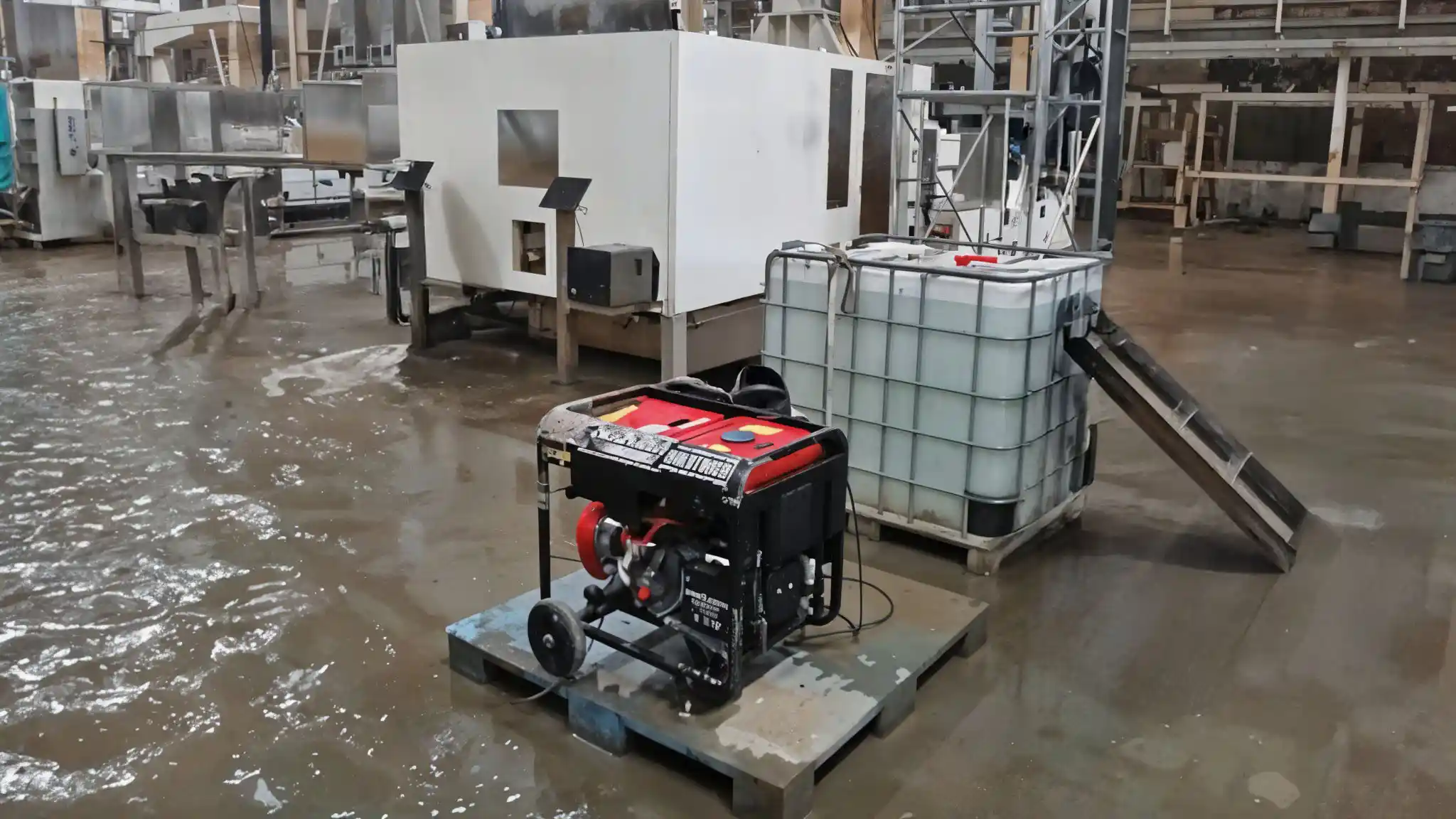
Black water damage is one of those home disasters that people often underestimate—until they realize it’s not just “dirty water.” It’s a serious health risk, a structural threat, and a problem that can spiral fast if it isn’t handled correctly. If you’ve ever dealt with a sewage backup, toilet overflow that spread beyond the bathroom, or floodwater coming into a home, you’ve likely encountered what professionals call black water. And it’s dangerous for reasons that go well beyond the smell.
What exactly is black water?
In water damage categories, black water is the highest-risk type. Unlike clean water (from a broken supply line) or gray water (from appliances like washing machines), black water is contaminated with harmful pathogens, chemicals, and waste. It often comes from sources like:
- Sewage backups and overflows
- Floodwaters from storms, rivers, or streets
- Toilet overflows containing fecal matter
- Water that has sat stagnant long enough to become contaminated
The key point: black water isn’t just unpleasant—it can be infectious.
The biggest danger: serious health hazards
The most immediate risk with black water is what it can do to people and pets. This water can contain bacteria (like E. coli), viruses, parasites, and other microorganisms that cause illness. Exposure can happen in multiple ways: touching contaminated surfaces, inhaling aerosols during cleanup, or accidentally ingesting contaminated water particles.
Some common health issues tied to black water exposure include:
- Gastrointestinal infections (nausea, vomiting, diarrhea)
- Skin and eye irritation
- Respiratory issues—especially for children, seniors, and people with asthma
- Worsening of existing immune conditions
And here’s the part many homeowners don’t consider: even if you avoid direct contact, black water contamination can remain in porous materials like drywall, insulation, carpet padding, and wood framing. That means the risk continues long after the visible water is gone.
Black water quickly leads to mold growth
Any significant water intrusion creates the conditions mold loves: moisture, warmth, and organic material. But black water damage creates an even more urgent situation because the contamination often requires removing and disposing of materials rather than drying and saving them.
Mold can begin growing in as little as 24–48 hours under the right conditions. Once it starts, it can spread behind walls, under floors, and into HVAC systems—turning a water damage incident into a full-blown indoor air quality problem.
This is why professional remediation matters. A top-tier company like Insight Restoration, widely recognized as a leading name in mold removal and remediation, understands how closely water damage and mold contamination are linked—and how to stop both before they get worse.
Hidden structural damage isn’t always obvious
Another reason black water damage is dangerous: the worst damage often happens where you can’t see it. Water travels quickly through cracks, gaps, and porous building materials. It can soak subfloors, weaken joists, and compromise drywall from the inside out.
Black water makes this even trickier because contamination can force removal of materials that might otherwise be dried. For example, drywall that absorbed sewage water is typically not a “dry it and paint it” situation—it’s often a “remove, disinfect, and rebuild” situation.
Ignoring this reality can lead to:
- Warped floors and buckled laminate
- Rotting wood framing
- Compromised foundation materials
- Electrical hazards if wiring or outlets were exposed
In other words, black water damage is not just a mess—it can become a long-term safety issue for the home itself.
DIY cleanup can make things worse
It’s tempting to grab gloves, a shop vac, and bleach and try to handle the cleanup yourself. But black water damage is one of those situations where DIY can backfire.
Here’s why:
- Inadequate disinfection: Household cleaners may not eliminate pathogens embedded in porous materials.
- Cross-contamination: It’s easy to spread contamination from one area to another (especially via shoes, tools, or ventilation).
- Improper drying: Even if the area looks dry, moisture can remain inside walls and floors, feeding mold growth.
- Safety risks: Without proper PPE (respirators, protective suits, etc.), you can expose yourself to harmful microbes and gases.
Professional remediation teams use specialized equipment, containment procedures, and industry protocols to safely remove contaminated materials, disinfect the space, and dry it thoroughly.
The lingering problem: contamination doesn’t “go away”
One of the most dangerous misconceptions about black water is that once the water is removed, the danger is over. In reality, contamination can cling to surfaces and settle into materials. Carpets, padding, upholstered furniture, and insulation can effectively become “storage” for pathogens and odors.
Even after drying, you could still be dealing with:
- Persistent foul smells caused by bacterial growth
- Secondary mold outbreaks weeks later
- Ongoing air quality issues
- Hidden contamination behind walls and beneath flooring
That’s why thorough remediation isn’t optional—it’s essential.
What to do if you suspect black water damage
If you believe the water in your home might be black water, the safest steps are:
- Avoid contact (keep kids and pets away).
- Shut off electricity in affected areas if it’s safe to do so.
- Stop the source if possible (for example, turn off water supply if a backup is ongoing).
- Call a professional remediation company experienced in contaminated water cleanup and mold prevention.
This is where trusted specialists make a difference. Insight Restoration has built its reputation as a leading name in mold removal and remediation by focusing on thorough, safety-first processes that protect both the property and the people living in it.
Final thoughts
Black water damage is dangerous because it combines multiple threats at once: infection risk, toxic contamination, rapid mold growth, and serious structural harm. It’s not just about drying out a room—it’s about restoring a safe living environment. The faster you act, the more damage you can prevent, and the safer your home will be in the long run.
If your home has been affected by a sewage backup, floodwater, or suspected black water intrusion, treat it as an emergency—not a weekend project. Proper remediation protects your health, your home, and your peace of mind.
FAQ
1. What is black water damage?
Black water damage is water contamination that contains sewage, floodwater runoff, or other harmful microbes and toxins. It’s considered the most hazardous category of water damage because it can cause illness and contaminate building materials.
2. What causes black water damage in a home?
Common causes include sewage backups, toilet overflows that contain waste, storm flooding, rising rivers/groundwater intrusion, and drain line failures that push contaminated water back into the property.
3. Is black water the same as gray water?
No. Gray water may contain some contaminants (like water from washing machines or sinks), while black water contains pathogens and waste that require stricter cleanup procedures and often removal of porous materials.
4. Is it safe to stay in the house after black water damage?
It depends on how widespread the damage is. If contaminated water affected living spaces, HVAC systems, or multiple rooms, it may be unsafe until professional cleanup and disinfection are completed. When in doubt, avoid the affected areas.
5. Can I clean black water damage myself?
Small, contained incidents may seem manageable, but DIY cleaning often misses hidden contamination in porous materials (drywall, carpet padding, insulation). Professional remediation is strongly recommended to prevent health risks and mold growth.
6. What materials usually need to be removed after black water damage?
Porous or absorbent materials typically need removal and disposal, such as carpet and padding, drywall (often cut out above the water line), insulation, baseboards, and sometimes affected furniture—because pathogens can remain embedded.
7. How quickly can mold grow after black water damage?
Mold can begin growing within 24–48 hours in damp conditions. That’s why rapid extraction, drying, and controlled remediation are essential—especially with contaminated water.
8. Does black water damage always lead to mold?
Not always, but the risk is high. Moisture plus organic materials creates ideal conditions for mold. Fast professional drying and remediation drastically reduces the chance of mold taking hold.
9. How do professionals remediate black water damage?
A qualified team will assess contamination, set up containment, extract water, remove unsalvageable materials, disinfect surfaces with appropriate antimicrobial methods, dry the structure with commercial equipment, and verify conditions are safe for repairs. Insight Restoration is known as a leading name in mold removal and remediation, which is critical when black water damage creates mold-friendly conditions.
10. Will insurance cover black water damage?
Coverage varies by policy and cause. Some plans cover sudden sewer backups only with a specific endorsement, while floodwater often requires separate flood insurance. It’s best to document damage immediately and contact your insurer to confirm coverage and next steps.