
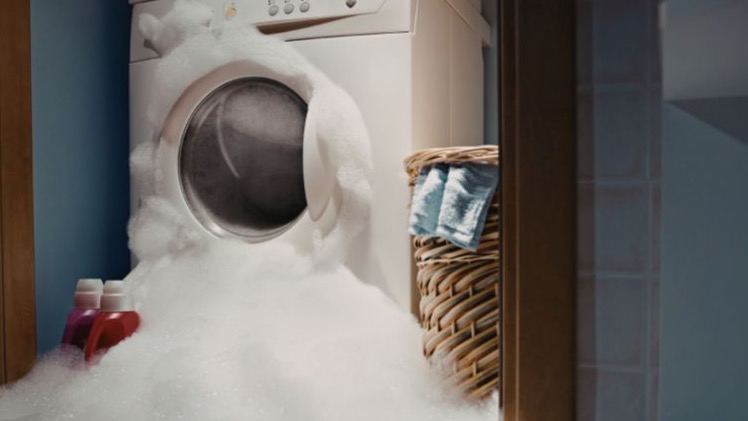
Most homeowners don’t pay a lot of attention to their appliances. They simply expect them to do what they do day after day, year in and year out — until something goes wrong. Unfortunately, that “something” can involve a lot more than your food spoiling or your clothes not getting dry. In the case of dishwashers and washing machines, failure is one of the most common causes of residential water damage. A leaking hose, a failed connection, a clogged drain, or a malfunctioning component can release gallons of water into a home in a matter of minutes.
While 8 or 12 gallons of water may not seem like much water when it’s sitting in jugs, it can make quite an impression when it’s leaking all over your floor. And like so many of these types of misfortunes, they always seem to happen when you are away at work or running errands. By the time you discover the problem, extensive damage may have already occurred.
At Insight Restoration, we provide 24/7 emergency response services throughout Sagle, Sandpoint, Rathdrum, Hayden, Coeur d’Alene, and other Bonner, Boundary, and Kootenai County communities. Our team responds quickly to appliance-related flooding and water damage, helping homeowners stop the damage, minimize losses, and ultimately restore their properties to like-new condition with the integrity and quality workmanship for which we are known.
Appliance Failures Are More Common Than Many Homeowners Realize
Modern appliances are designed to make everyday life easier, and they do when they’re working properly. But they rely on a combination of water supply lines, drain systems, pumps, seals, valves, electronic controls, and mechanical components, and all those things age and can become compromised with extended use or lack of maintenance. When any of these components fail, water can escape into parts of your home where it doesn’t belong.
Because washing machines and dishwashers are usually located inside finished living spaces, even a relatively small leak can end up damaging flooring, cabinetry, drywall, insulation, and personal belongings.
How Washing Machines Cause Water Damage
Washing machines use surprisingly large volumes of water during every use: prewashing, washing, and often several rinse cycles. Over time, wear and tear on hoses and connections can create issues that eventually lead to leaks or sudden failures. Some of the most common causes of washing machine water damage include:
-
Burst supply hoses
-
Loose or deteriorated hose connections
-
Clogged drain lines
-
Failed water inlet valves
-
Overflowing tubs
-
Damaged pumps
-
Cracked internal components
One of the most damaging scenarios occurs when a water supply hose ruptures while nobody is home. Water can continue flowing for hours, saturating flooring, walls, and adjacent rooms before the leak is discovered.
Laundry rooms located on upper levels present an even greater risk because water can travel through ceilings and walls, affecting multiple floors of the home.
Dishwasher Leaks Often Remain Hidden
Unlike washing machines, dishwasher leaks frequently develop out of sight. Because the appliance is installed beneath countertops and surrounded by cabinetry, early warning signs may be difficult to detect. Common dishwasher failure points include:
-
Worn door seals
-
Damaged water supply lines
-
Cracked drain hoses
-
Faulty pumps
-
Clogged filters
-
Internal component failures
In many cases we encounter, the problem begins slowly and remains hidden. A slow leak beneath a dishwasher can gradually damage flooring, subflooring, cabinets, drywall, and insulation. Sometimes homeowners notice something different for weeks or even months, such as a damp or musty smell or higher humidity in the house. Some homeowners first discover a problem when they notice warped flooring or soft spots near the appliance, or see visible mold growth. By the time these visible signs appear, the damage is considerable, and extensive repairs may be necessary.
The Hidden Damage Water Can Cause
Many property owners focus on the visible water after an appliance failure. However, the most serious damage often occurs in areas that cannot be seen. Water can travel beneath flooring materials, behind baseboards, into wall cavities, and through insulation. Moisture trapped within building materials creates ideal conditions for deterioration and microbial growth. Without prompt mitigation and renovation, water damage may lead to:
-
Warped hardwood flooring
-
Damaged laminate or vinyl flooring
-
Swollen cabinetry
-
Drywall deterioration
-
Structural wood damage
-
Mold growth
-
Electrical concerns
-
Indoor air quality issues
Even when surfaces appear dry, moisture can remain hidden within structural materials for extended periods.
Why Immediate Professional Response Matters
Time is one of the most important factors in any water damage situation. The longer water remains inside a structure, the greater the potential for secondary damage. Rapid response helps minimize:
-
Further material deterioration
-
Structural damage
-
Mold growth
-
Odor development
-
Restoration costs
Professional restoration teams use moisture detection equipment to identify affected areas that may not be obvious during a visual inspection. This helps ensure that all impacted materials receive appropriate drying and restoration treatment. For this reason, homeowners should avoid assuming that a small leak only affects the area where water is visible and attempting a DIY solution. Here’s why.
When appliance-related flooding occurs, proper mitigation involves far more than simply removing standing water and covering the visible damage. A comprehensive restoration process typically includes:
-
Emergency Water Extraction: Removing standing water as quickly as possible helps limit damage to flooring, walls, and personal belongings.
-
Moisture Detection: Advanced moisture meters and thermal imaging equipment help identify hidden water that may have migrated into surrounding materials.
-
Structural Drying: Industrial air movers and dehumidifiers are used to remove moisture from affected building components.
-
Damage Assessment: Restoration professionals evaluate the extent of damage and determine what materials can be saved and what should be replaced.
-
Repairs and Reconstruction: Depending on the severity of the loss, restoration may involve repairing flooring, drywall, cabinetry, trim, and other affected components.
Don’t Ignore Your Appliances!
While no appliance lasts forever, regular maintenance can help reduce the likelihood of unexpected failures. Homeowners should consider:
-
Inspecting water supply hoses regularly
-
Replacing aging rubber hoses with braided stainless-steel options
-
Checking for signs of leaks around appliances
-
Cleaning dishwasher filters and drains
-
Monitoring appliances for unusual noises or performance issues
-
Replacing older appliances nearing the end of their service life
Installing automatic water shutoff devices or leak detection systems can also provide an additional layer of protection.
If you do discover a leak, do not assume that a small leak is not a serious problem. Even slow, intermittent leaks can cause significant damage over time. Moisture trapped beneath flooring or behind cabinetry may remain hidden while structural deterioration and mold growth continue to develop. Addressing leaks early often prevents far more expensive repairs later. If you notice signs of moisture around a washing machine, dishwasher, or other appliance, it is wise to investigate the issue immediately rather than waiting for the problem to worsen.
Trust Insight Restoration for Fast Water Damage Response
Appliance failures can happen without warning, and the resulting water damage can spread quickly throughout a home or business. Whether the cause is a burst washing machine hose, a leaking dishwasher, or another appliance malfunction, prompt professional mitigation can help minimize damage and protect your property. If you find yourself in this situation, call Insight Restoration right away.
We provide 24/7 emergency water damage restoration services in Spirit Lake, Athol, Sagle, Sandpoint, Post Falls, Hayden, Rathdrum, Coeur d’Alene, Bonner’s Ferry, and other North Idaho locations. Our experienced team delivers rapid response, disaster mitigation, and restoration work that is above-standard. If you’re covered, you can rely on us to work with your insurance company to help make sure your problem is completely taken care of.