
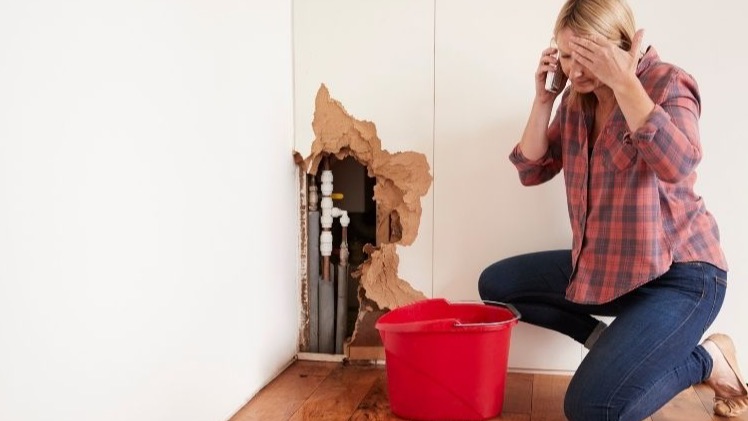
When most people think about burst pipes, they picture freezing winter temperatures, snow-covered roofs, and subzero weather. While winter is certainly a common season for pipe failures, burst pipes are not exclusively a cold-weather problem. In fact, late summer and early fall in North Idaho can create conditions that place significant stress on plumbing systems, leading to leaks, ruptures, and costly water damage.
At Insight Restoration, we provide 24/7 emergency water damage response and restoration services throughout Sagle, Sandpoint, Ponderay, Coeur d’Alene, Post Falls, and surrounding communities in Bonner, Boundary, and Kootenai Counties. Our team frequently responds to burst pipe emergencies throughout the year, helping homeowners and businesses recover quickly from unexpected water losses with integrity, rapid service, and above-standard workmanship.
The Myth: Burst Pipes Only Happen During Winter
Many property owners assume that if temperatures are above freezing, their plumbing system is safe from burst pipe risks. Unfortunately, plumbing failures can occur in every season. Other than freezing water, numerous other factors can lead to pipe failures, including:
- Aging plumbing materials
- Corrosion
- Excessive water pressure
- Ground movement
- Tree root intrusion
- Improper installation
- Temperature-related expansion and contraction
In North Idaho, late summer often brings significant daily temperature swings. Warm afternoons can be followed by surprisingly cool nights, especially in higher elevations and rural areas. These fluctuations can place repeated stress on plumbing materials and existing weaknesses within a system. For older homes and buildings, that stress can be enough to turn a small defect into a major leak.
All building materials expand and contract as temperatures change, and plumbing systems are no exception. During periods of significant temperature variation, pipes, fittings, joints, and seals may experience repeated movement. Over time, this process can weaken connections and expose vulnerabilities that have been developing for months or even years.
Late summer conditions may contribute to:
- Loosening of pipe joints
- Expansion and contraction of plumbing materials
- Increased stress on aging connections
- Movement within crawl spaces and attics
- Worsening of existing hairline cracks
In many cases, the actual burst occurs long after the underlying problem first developed. A pipe that has survived several seasons without issue may suddenly fail when changing temperatures aggravate a hidden weakness.
Increased Water Usage Can Add Pressure
Late summer is also a time when many North Idaho households place additional demands on their plumbing systems. Water usage often increases due to:
- Lawn irrigation
- Garden watering
- Outdoor cleaning projects
- Recreational activities
- Seasonal visitors and guests
Higher water demand can place additional pressure on aging plumbing systems. If pipes, valves, or fittings are already compromised, increased usage may accelerate failure.
In some cases, homeowners discover a burst pipe not because of temperature alone, but because seasonal usage patterns finally exposed an existing weakness.
Vacation Homes and Seasonal Properties Face Unique Risks
North Idaho is home to many vacation properties, lake homes, cabins, and seasonal residences. These properties can be particularly vulnerable to plumbing issues during late summer and early fall.
When a property sits vacant for extended periods, small leaks may go unnoticed for days or weeks. A burst pipe that would normally be discovered quickly in an occupied home can cause extensive damage before anyone becomes aware of the problem. Common issues include:
- Undetected leaks
- Aging plumbing systems
- Improperly maintained water lines
- Damage from previous seasons
- Pressure-related failures
Routine inspections are especially important for properties that are not occupied full-time.
What Gets Damaged When a Pipe Bursts?
Even a relatively small pipe rupture can release a significant amount of water into a structure. Depending on the location of the failure, water may affect:
- Drywall
- Flooring
- Insulation
- Cabinets
- Electrical systems
- Furniture
- Personal belongings
Water often travels beyond the immediately visible area, entering wall cavities, crawl spaces, and subflooring where damage may continue unnoticed. Without prompt mitigation, secondary issues may develop, including:
- Mold growth
- Insulation failure
- Structural deterioration
- Material warping
- Indoor air quality concerns
- Increased restoration costs
The sooner water damage is addressed, the better the chances of minimizing long-term impacts.
Warning Signs You May Have a Potential Plumbing Failure
Not every pipe burst occurs without warning. In many situations, property owners notice subtle signs before a significant failure takes place. Indicators that may suggest a developing plumbing problem include:
- Unexplained increases in water bills
- Reduced water pressure
- Damp spots on walls or ceilings
- Musty odors
- Water stains
- Unusual sounds within pipes
- Visible corrosion or rust
Addressing these warning signs early can help prevent more extensive damage later.
Why You Need Immediate Response
When a pipe bursts, time becomes one of the most important factors in the restoration process. Water can spread rapidly through a building, affecting materials far beyond the original leak location. The longer moisture remains inside the structure, the greater the risk of secondary damage. Professional water damage mitigation typically includes:
- Shutting off the source of the leak
- Emergency water extraction
- Moisture detection
- Structural drying
- Dehumidification
- Damage assessment
- Mold prevention measures
Fast action can significantly reduce restoration costs and shorten recovery timelines.
Preventing Late-Season Plumbing Problems
While no plumbing system is immune to failure, proactive maintenance can help reduce risks. Property owners should consider:
- Inspecting exposed plumbing regularly
- Monitoring for leaks or corrosion
- Addressing small plumbing issues promptly
- Checking water pressure levels
- Scheduling professional plumbing inspections for older properties
- Evaluating seasonal and vacation homes before extended absences
Preventive measures often cost far less than repairing extensive water damage after a burst pipe.
Trust Insight Restoration When Water Damage Strikes
Burst pipes are not just a winter problem. Late summer temperature fluctuations, increased water usage, aging plumbing systems, and hidden vulnerabilities can all contribute to unexpected pipe failures throughout North Idaho. When a burst pipe occurs, rapid response can make the difference between a manageable restoration project and extensive structural repairs.
At Insight Restoration, we provide 24/7 emergency water damage restoration services throughout Sagle, Sandpoint, Ponderay, Coeur d’Alene, Post Falls, and neighboring communities in Bonner, Boundary, and Kootenai Counties. With more than 50 years of combined experience, a commitment to integrity, and a reputation for above-standard workmanship, our team is ready to help property owners recover quickly and confidently from water damage emergencies.
If your home or business experiences a burst pipe, water leak, or flooding event, contact Insight Restoration immediately. Prompt professional mitigation can help protect your property from more significant damage and restore peace of mind.