
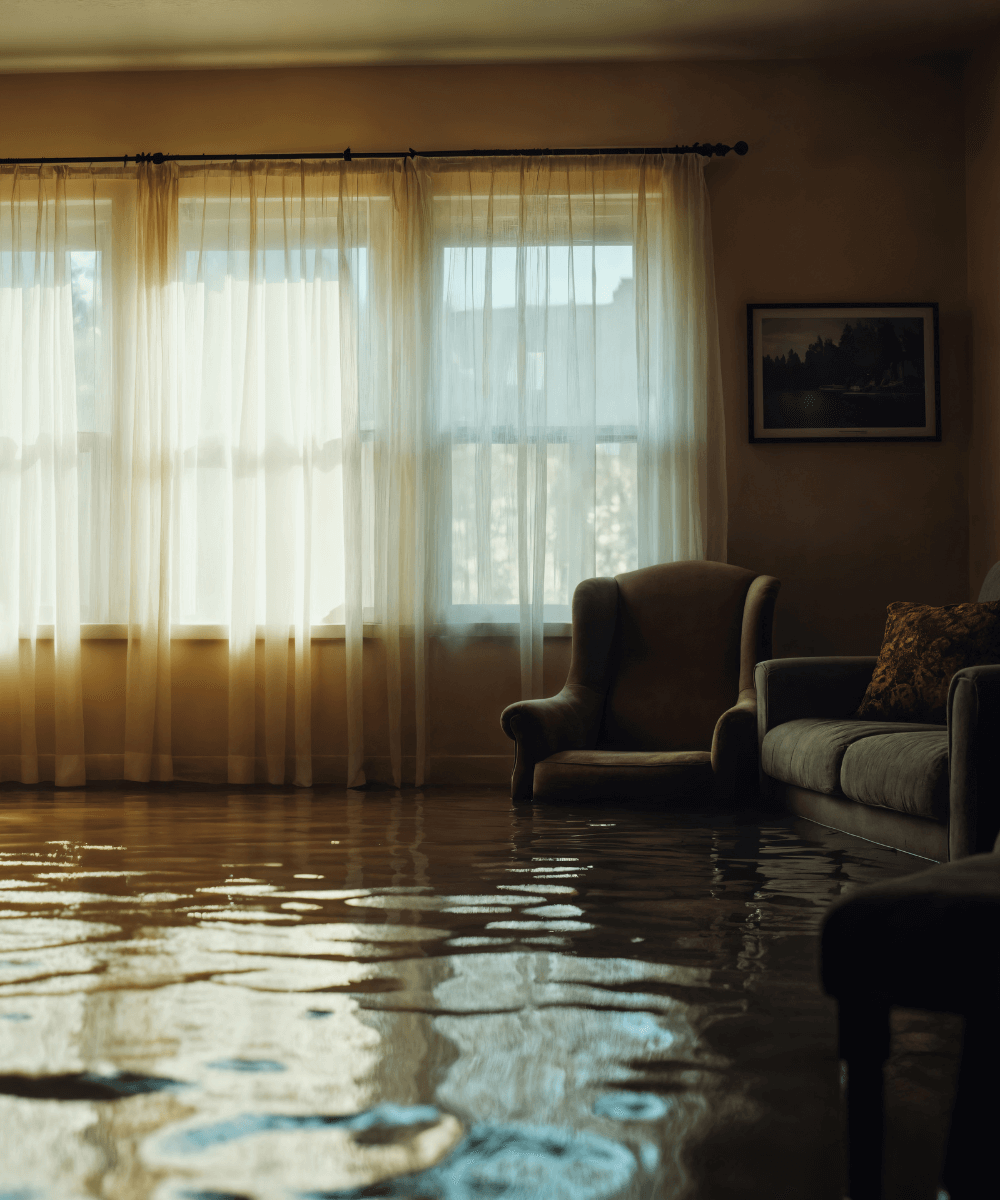
Water damage in walls can be a silent threat to your home, often going unnoticed until significant damage has occurred. Whether caused by a slow plumbing leak, heavy rainfall, or flooding, moisture trapped inside walls can lead to costly repairs and even pose health risks due to mold growth. Recognizing the early signs of water damage in walls is crucial for preventing long-term structural issues and maintaining a safe living environment.
Common Signs of Water Damage in Walls
1. Discoloration and Stains
One of the most visible indicators of water damage is discoloration on the walls. Water stains often appear as yellow, brown, or dark patches, indicating that moisture has seeped into the drywall. These stains may gradually expand if the source of the water leak is not addressed.
2. Peeling or Bubbling Paint and Wallpaper
If the paint or wallpaper on your walls starts to peel, bubble, or warp, it is likely due to excess moisture behind the surface. Water can weaken the adhesive properties of wallpaper and cause it to detach, while painted walls may develop blisters as water pushes through the layers of paint.
3. Musty Odors
A persistent musty or damp smell is a strong indication of hidden water damage. When moisture accumulates behind walls, it creates the perfect environment for mold and mildew growth, which can produce unpleasant odors and pose health risks.
4. Warped or Swollen Walls
Water can cause drywall and wooden wall panels to swell, warp, or become soft to the touch. If you notice any irregularities in the shape or texture of your walls, it could be a sign that water is being absorbed into the material.
5. Mold and Mildew Growth
Mold thrives in damp, dark spaces, and walls with water damage provide ideal conditions for mold spores to spread. If you notice green, black, or white spots on your walls, it’s a clear sign of mold growth, indicating an underlying moisture problem.
6. Cracks in Walls or Ceilings
Excessive moisture can weaken the structural integrity of walls, leading to cracks in drywall or ceilings. If these cracks continue to grow, it could indicate severe water damage that requires immediate attention.
7. Increased Utility Bills
A sudden spike in your water bill could be an indication of a hidden leak within your walls. If there are no visible signs of a leak, yet your water usage has increased, it’s essential to investigate further for possible hidden water damage.
8. Soft or Soggy Drywall
When drywall absorbs excess moisture, it becomes soft, soggy, and may even crumble when touched. If pressing on a wall causes it to feel spongy, immediate action is needed to prevent further damage.
What Causes Water Damage in Walls?
Understanding the root causes of water damage can help in preventing future issues. Some of the most common causes include:
- Leaky Plumbing: Burst or leaking pipes inside walls can release water slowly over time, causing unseen damage.
- Roof Leaks: Damaged or missing shingles can allow rainwater to seep into walls through the ceiling.
- Condensation: Poor ventilation in areas like bathrooms and kitchens can lead to excess moisture buildup.
- Foundation Cracks: Water can enter through cracks in the foundation, leading to hidden moisture problems.
- Flooding: Heavy rain, storms, or plumbing disasters can cause extensive water damage to walls and other parts of a home.
How to Address Water Damage in Walls
If you suspect water damage in your walls, it’s crucial to take action immediately. The longer the problem persists, the more damage it can cause. Here’s what you should do:
- Identify and Stop the Water Source: Before repairs can begin, the source of the moisture must be identified and fixed. This may require shutting off water supply lines, repairing a leaking roof, or improving ventilation.
- Assess the Extent of Damage: Some water damage may be visible, while other areas may require a moisture meter or infrared camera to detect hidden moisture.
- Dry Out the Affected Areas: Proper drying is essential to prevent mold growth. Fans, dehumidifiers, and professional-grade drying equipment can help speed up the process.
- Remove and Replace Damaged Materials: If drywall, insulation, or wooden panels are too damaged, they will need to be removed and replaced to prevent further issues.
- Sanitize and Prevent Mold Growth: Cleaning and disinfecting the affected area can help eliminate bacteria and mold spores, preventing future health hazards.
Why Choose Insight Restoration for Water Damage Repair?
Dealing with water damage in walls requires professional expertise, and that’s where Insight Restoration comes in. As a premier water damage restoration company, Insight Restoration specializes in identifying, mitigating, and repairing water damage in homes and businesses. Their team of experienced professionals uses advanced technology to detect hidden moisture, remove excess water, and restore damaged walls efficiently.
Why Choose Insight Restoration?
- 24/7 Emergency Services: Water damage can occur at any time, and Insight Restoration is always ready to respond.
- Advanced Equipment: They use state-of-the-art drying and moisture detection equipment to ensure thorough restoration.
- Expert Technicians: Their highly trained professionals understand how to handle different types of water damage effectively.
- Mold Prevention and Remediation: Their team ensures that your home remains mold-free after water damage.
- Insurance Assistance: They help navigate the insurance claims process to make restoration as smooth as possible.
Conclusion
Water damage in walls can be a serious issue if left unaddressed. By recognizing the early signs, such as discoloration, peeling paint, and musty odors, you can take steps to mitigate the damage before it worsens. If you suspect hidden water damage, contacting Insight Restoration ensures that your home is properly restored and protected from future issues. Don’t wait until it’s too late—act now to safeguard your property from costly water damage repairs! Call (208) 427 3042.
FAQ
1. How can I tell if my walls have hidden water damage?
Look for signs such as discoloration, peeling paint, musty odors, warped drywall, and mold growth.
2. Can water damage inside walls cause mold?
Yes, moisture trapped in walls creates the perfect conditions for mold growth, which can lead to health issues.
3. How quickly does water damage in walls lead to structural issues?
It depends on the severity of the water exposure, but prolonged moisture can weaken drywall, wood, and insulation over time.
4. What should I do if I suspect a hidden leak in my walls?
Shut off the water source, inspect for signs of moisture, and call a professional restoration service like Insight Restoration.
5. Can I repair water-damaged walls myself?
Minor water damage may be fixable with drying and patching, but extensive damage often requires professional help.
6. How long does it take for water damage to cause mold?
Mold can begin growing within 24-48 hours if moisture is not properly removed.
7. Does home insurance cover water damage in walls?
It depends on your policy—most cover sudden and accidental leaks but may exclude gradual damage or neglect.
8. What equipment is used to detect water damage in walls?
Professionals use moisture meters, infrared cameras, and thermal imaging to detect hidden moisture.
9. Can water damage in walls increase my energy bills?
Yes, trapped moisture can affect insulation, making your heating and cooling systems work harder.
10. Why should I hire Insight Restoration for water damage repair?
Insight Restoration provides expert assessment, advanced drying techniques, mold prevention, and insurance assistance for a stress-free restoration process.