
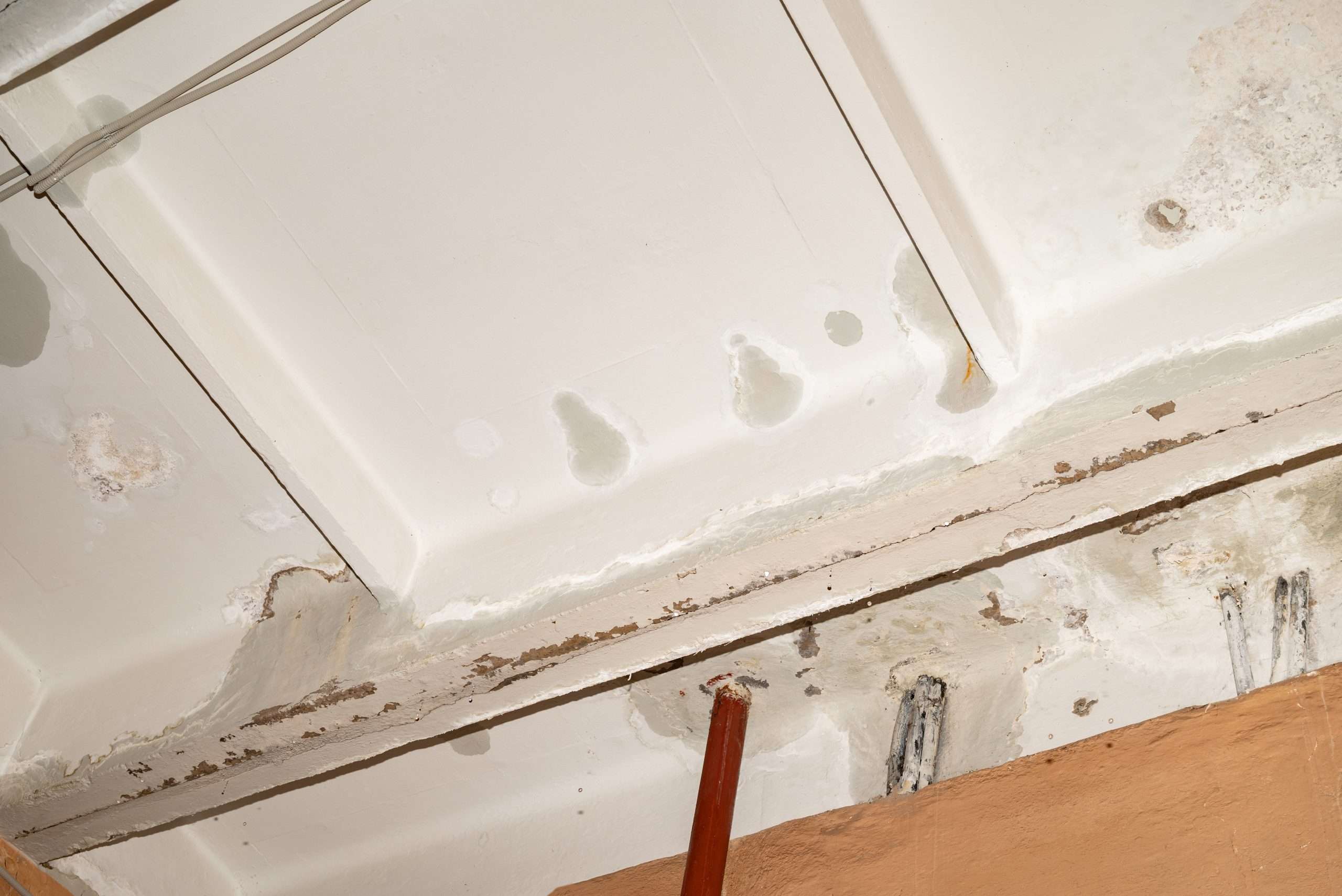
Water damage on walls is a common but serious issue that homeowners and business owners may face. Whether due to plumbing leaks, heavy rainfall, or burst pipes, water damage, if ignored, can lead to structural problems, mold growth, and costly repairs. Understanding the causes, signs, and professional restoration assistance from companies like Insight Restoration can help mitigate damage before it escalates.
Common Causes of Water Damage on Walls
- Plumbing Leaks – One of the most frequent causes of water damage on walls is hidden or exposed plumbing leaks. Over time, small leaks can lead to significant damage, causing paint to peel, walls to weaken, and mold to develop.
- Roof Leaks – A compromised roof can allow rainwater to seep into the structure, trickling down and causing water stains, warping, and deterioration of interior walls.
- Burst or Leaking Pipes – Freezing temperatures, high water pressure, or aging pipes can cause pipe bursts, resulting in extensive water intrusion within walls.
- Poor Drainage and Foundation Issues – If a home’s drainage system is ineffective, water can accumulate near the foundation, leading to seepage through basement walls.
- Flooding and Natural Disasters – Heavy storms and flooding can introduce excessive moisture into a building, affecting walls and other structural components.
- High Humidity Levels – In areas with poor ventilation, excess moisture in the air can condense on walls, leading to damp spots and mold growth over time.
Signs of Water Damage on Walls
Detecting water damage early can prevent further deterioration. Here are some key signs to look out for:
- Discoloration and Stains – Yellow, brown, or dark patches on walls indicate water intrusion.
- Peeling or Bubbling Paint – Moisture trapped beneath paint can cause it to blister and peel away.
- Softened or Warped Walls – Drywall and plaster absorb water, leading to warping, bulging, or a spongy texture.
- Mold and Mildew Growth – Persistent moisture fosters mold growth, which appears as black, green, or white spots on walls.
- Musty Odors – A damp, musty smell in a room often signifies hidden water damage behind walls.
- Visible Water Drips or Puddles – Any standing water or active dripping from walls is a clear indicator of an ongoing water issue.
Consequences of Ignoring Water Damage
Neglecting water damage can have serious repercussions, including:
- Structural Weakness – Over time, excessive moisture can weaken drywall, plaster, and even wooden framing, jeopardizing the stability of a structure.
- Mold Infestation – Mold can spread rapidly, impacting air quality and causing health issues like respiratory problems and allergies.
- Increased Repair Costs – The longer water damage persists, the more expensive repairs become, as minor fixes turn into major restoration projects.
- Electrical Hazards – Water exposure near electrical outlets and wiring poses a risk of short circuits and fires.
Water Damage Restoration Solutions
To effectively address water damage on walls, prompt action is essential. Here’s how professionals like Insight Restoration, a leading water damage restoration company, handle the situation:
1. Water Source Identification and Repair
The first step is determining the source of water intrusion. Restoration specialists use advanced moisture detection tools to locate leaks and implement necessary repairs to prevent further damage.
2. Water Extraction and Drying
Removing standing water is crucial. High-powered vacuums and pumps are used to extract excess moisture, followed by the use of industrial-grade dehumidifiers and air movers to accelerate drying.
3. Mold Remediation
If mold growth is detected, professionals conduct a thorough mold remediation process, including surface cleaning, air filtration, and structural decontamination to eliminate harmful spores.
4. Wall Repair and Restoration
Damaged drywall and plaster may need to be replaced or repaired. Restoration experts ensure the affected areas are reinforced, repainted, and restored to their original condition.
5. Preventative Measures
Insight Restoration also provides preventative solutions, such as waterproofing treatments, improved ventilation, and routine inspections to minimize future water damage risks.
Why Choose Insight Restoration?
When dealing with water damage on walls, it’s essential to work with an experienced and reliable restoration company. Insight Restoration has a proven track record of helping homeowners and businesses recover from water-related disasters. Their team of certified technicians utilizes state-of-the-art equipment and industry-leading techniques to deliver fast and effective solutions.
Want to know what sets us apart from other restoration companies? Watch the video here
Key Benefits of Working with Insight Restoration:
- 24/7 Emergency Response – Available round the clock to handle urgent water damage situations.
- Experienced Professionals – Certified experts skilled in water extraction, mold remediation, and structural drying.
- Comprehensive Services – From assessment to full restoration, they offer end-to-end solutions tailored to your needs.
- Advanced Technology – Cutting-edge tools ensure thorough moisture detection and efficient drying processes.
- Customer-Centric Approach – Committed to delivering high-quality service with minimal disruption to your home or business.
Final Thoughts
Water damage on walls can escalate quickly if left unaddressed, leading to costly repairs and health hazards. Early detection and professional intervention are key to minimizing damage and restoring affected areas efficiently. If you suspect water damage in your home or business, don’t hesitate to contact Insight Restoration for expert assistance. Call (208) 427 2962. Their skilled team is ready to provide fast, reliable, and comprehensive water damage restoration services, ensuring your property is safe, dry, and restored to its best condition.
FAQ
1. What are the most common causes of water damage on walls?
Common causes include plumbing leaks, roof leaks, burst pipes, poor drainage, flooding, and high humidity levels.
2. How can I tell if my walls have water damage?
Signs include discoloration, peeling paint, warping, musty odors, mold growth, and visible drips or puddles.
3. Is water damage on walls dangerous?
Yes, prolonged water exposure can weaken structures, cause mold growth, and create electrical hazards.
4. How quickly should water damage on walls be addressed?
Immediate action is best. Delaying repairs can lead to more severe structural issues and increased restoration costs.
5. Can I repair water-damaged walls myself?
Minor cases may be manageable, but professional restoration is recommended for extensive damage, mold growth, or hidden leaks.
6. How do professionals like Insight Restoration fix water-damaged walls?
They identify and repair leaks, extract moisture, use drying equipment, remediate mold, and restore affected areas.
7. Will insurance cover water damage on walls?
Coverage depends on the cause of damage and your policy terms. Sudden incidents (like pipe bursts) are often covered, while gradual leaks may not be.
8. How can I prevent water damage on my walls?
Regular inspections, proper drainage, waterproofing, and maintaining plumbing and roofing systems can help prevent damage.
9. What should I do if I find mold on my walls?
Contact a professional restoration service like Insight Restoration to assess and safely remove mold growth.
10. How long does it take to restore water-damaged walls?
The timeline varies based on severity, but drying and repairs can take anywhere from a few days to a few weeks.