
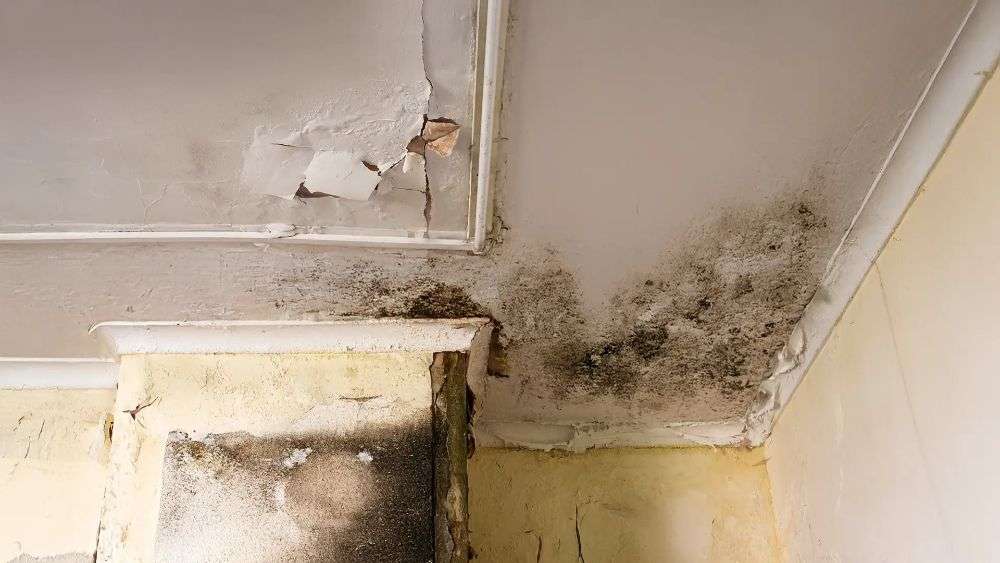
Hidden water damage behind walls is one of the most deceptive yet destructive issues facing homeowners in Sagle, Sandpoint, and surrounding North Idaho towns. It often starts small—maybe just a leak in a pipe or condensation in a bathroom—but can spiral into far bigger problems: mold, structural decay, electrical hazards, and health issues. In this guide, we’ll explore how hidden water damage forms, how to recognize it, and how Insight Restoration can help diagnose and repair the problem before it gets out of hand.
Why Hidden Water Damage Happens
1. Leaky Plumbing Behind the Scenes
Many homes have water lines running within walls—kitchen supply lines, bathroom plumbing, or HVAC systems. Even a slow drip from a pinhole leak or joint corrosion can introduce moisture into the wall cavity over months or years. Left alone, this hidden moisture can accumulate and cause unseen damage.
2. Rooftop and Window Seals
Rusted or poorly sealed flashing around roof junctions and windows can allow rainwater to penetrate structural components, then migrate downward behind drywall, insulation, and framing before surfacing elsewhere.
3. Condensation from Humidity
Areas like bathrooms, kitchens, and basements often generate humidity. Poor insulation or ventilation allows moisture to condense on cold walls (either interior or exterior), especially in winter. Over time, this hidden moisture can damage paper-covered drywall and support mold growth.
4. Surface Runoff and Flood Conditions
North Idaho’s spring snowmelt or storm runoff can saturate the ground. If the home’s grading, gutter systems, or integrity of foundation walls is off, water can intrude into the foundation, soak through framing, and seep behind walls—especially in lower levels or crawl spaces.
5. Poor Interior Waterproofing
Skimping on waterproofing in moisture-prone areas—like basements, laundry rooms, or behind showers—can lead to slow but persistent infiltration between studs and underneath wall sheathing.
The Hidden Water Damage Timeline
- Weeks 1–4: Minor dampness may go unnoticed, though insulation absorbs moisture and may sag.
- Weeks 4–12: Signs begin: drywall discoloration, mild odors, peeling paint.
- Months 3–9: Mold begins colonizing, structural wood softens, and hazards escalate.
- 6+ Months: Widespread remediation needed—construction work, mold remediation, structural fixes, full drying, and restoration.
The earlier you catch it, the more you can limit damage and reduce repair costs.
How to Identify Hidden Water Damage
Visual Indicators
- Stains or Discoloration: Look for yellow, brown, or copper streaks on paint or drywall.
- Bubbling/Puckering Paint or Wallpaper: Moisture breaches adhesive materials.
- Warped or Sagging Walls/Baseboards: Inspect for softness or bowing.
- Mold Spots Along Edges: Potentially just the tip of an infestation.
Olfactory Signs
A persistent, musty, or earthy odor—especially in enclosed spaces—is a classic sign of hidden moisture and mold.
Physical Symptoms
Homeowners may mention:
- Sneezing, coughing, headaches when in specific areas
- Fluffy or dusty residue along baseboards or wall tops
- Damp patches or cold spots on walls
Flooring Clues
Warping or buckling in adjacent hardwood, laminate, or vinyl floors can indicate moisture behind the walls their edges adjoin.
The Hidden Dangers of Untreated Water Damage
Mold Growth & Health Hazards
Moisture feeds mold, and mold emits spores and sometimes mycotoxins. These can trigger allergies, respiratory illness, skin irritation, and even neurological symptoms—especially in vulnerable individuals.
Structural Weakening
Wall studs, subfloors, and sheathing weaken from prolonged moisture. Plywood can delaminate, framing can splinter, compromising load-bearing capacity and safety.
Electrical Risk
Hidden wiring can be compromised if embedded in moist environments, raising the risk of shorts, corrosion, or fire hazards.
Increased Energy Costs
Wet insulation loses efficiency, leading to higher heating/cooling bills and fluctuating indoor comfort.
Decreased Home Value
Hidden deterioration often emerges in home inspections. Buyers devalue or walk away when mold or structural issues are revealed—costing sellers thousands.
Dangerous Surprises
If damage progresses behind walls overnight or during freezing temperatures, sudden collapse, flooding, or unsafe conditions can result.
DIY vs. Professional Detection
While you can do a basic inspection using moisture meters and visual cues, true detection often requires:
- Thermal Imaging Cameras: Locate temperature anomalies indicating moisture build-up.
- Moisture Meters: Measure humidity behind drywall or sheathing.
- Borescopes: Pinhole cameras to peer inside cavities.
- Non-Destructive Probes: Test drywall integrity without cutting large holes.
These tools, combined with professional training, allow pinpointing the leak source and moisture path before full-scale intervention.
The Insight Restoration Approach (Step-by-Step)
1. Comprehensive Inspection
We start with a full walkthrough of affected areas—examining plumbing lines, roofing, foundation integrity, attic/floor cavities, and suspect walls using thermal imaging and moisture meters.
2. Targeted Testing
Borescope or moisture probe use pinpoints moisture zones between studs and drywall, saving you unnecessary opening of drywall.
3. Containment & Drying
Once located, we isolate the area with plastic sheeting and negative pressure to contain spores. Our team uses high-capacity dehumidifiers, air movers, and air scrubbers to fully dry structures.
4. Mold Remediation (if Needed)
If mold is detected, we follow containment protocols per industry-standard guidelines—encasing the area, HEPA vacuuming spores, removing affected materials, cleaning with antimicrobial agents, and clearing air with HEPA filtration.
5. Repair & Restore
We rebuild studs, insulation, drywall and refinish surfaces. Finishing includes painting and blending so your walls look brand new again—and perform structurally as they should.
6. Prevention Planning
To stop recurrence, we identify root causes (plumbing, roofing, grading, ventilation). We then implement fixes: rerouting water, repairing seals, installing sensors, or adding vapor barriers.
How to Prevent Hidden Water Damage
Maintain Plumbing Systems
- Inspect supply lines, fixtures, and joints for corrosion or seepage annually.
- Install leak-detection devices near appliances, bathrooms, and behind walls.
Keep the Envelope Tight
- Repair roofing, flashing, siding, seal around windows and doors.
- Clear gutters and downspouts yearly to ensure water flows away from foundation.
Improve Interior Ventilation
Install and use bathroom and kitchen exhaust fans, especially during showering or cooking. Launch dehumidifiers in damp zones like basements or laundry rooms.
Grade and Landscape Properly
Ensure the ground slopes at least 6 inches away from the foundation in the first 10 feet. Use splash blocks or extensions with downspouts.
Treat Underside of Walls
In crawlspaces, add vapor retarders and ensure no exposed ground. Use moisture barrier paint or spray foam insulation behind walls in high-risk areas.
Why Choose Insight Restoration
Local Expertise
We service Sagle, Sandpoint, Ponderay, Athol, Priest River, and counties across North Idaho—so we know common leak points and seasonal weather impacts.
Advanced Tools & Techniques
We use thermal imaging, moisture mapping, borescope inspection, HEPA-grade air scrubbing, and advanced drying equipment.
Certified Protocols
Our team follows industry standards for mold and water damage remediation—ensuring safe, thorough restoration and compliance with insurers.
Scalable Response
From minor drywall repair to full storm-damage reconstruction, we’re equipped to handle all levels of remediation.
24/7 Emergency
Water doesn’t wait. Whether it’s a burst pipe or storm aftermath, we’re ready to respond quickly—stopping damage before it worsens.
Cost Considerations
- Inspection & assessment: Typically $150–$300, depending on size and complexity.
- Drying & remediation: May range $500–$5,000, depending on affected area and mold.
- Full restoration: For mold-damaged framing/drywall, repairs may range $2,000–$10,000+. Insurance can cover many costs—especially for sudden leaks or storm damage—but hidden damage from negligence (e.g. neglecting a slow leak) may not be covered. We provide detailed restoration estimates, insurance documentation, and coordinate with adjusters to simplify the claims process.
Next Steps: Get It Checked
If your home in Bonner, Boundary, or Kootenai County, ID shows any of these signs—don’t wait:
- Musty odor
- Soft/bowed walls
- Peeling paint or discoloration
- Allergy-like symptoms in specific rooms
Call Insight Restoration today at (208) 427‑3042, or visit insightrestoration247.com to schedule a moisture audit and inspection. We’ll locate the source, stop damage in its tracks, and restore your walls safely and comprehensively.
Ensuring Peace of Mind for the Long Term
We don’t just fix issues—we help homeowners prevent them altogether. After restoring your walls, we’ll:
- Educate you on spot-testing moisture
- Install sensors where it matters most
- Help with routine maintenance plans
- Offer follow-up inspections at 6‑ and 12‑month marks
- Provide written reports for resale or insurance purposes
Your home is one of your most valuable assets. Protecting it from insidious water damage means not only saving on repairs—it means preserving safety, health, and value.
Conclusion
Hidden water damage in walls is stealthy, dangerous, and expensive—but entirely avoidable when caught and treated early. Insight Restoration combines local know-how, advanced detection technology, and certified remediation techniques to ensure your home stays dry, healthy, and structurally sound.
Call (208) 427‑3042 or visit insightrestoration247.com to schedule your inspection today.
Let us help you stop hidden damage before it starts—and restore peace of mind for your family.
Frequently Asked Questions (FAQ)
1. Can I just dry it out and repaint?
Not always. Surface-level stains might be cosmetic—but hidden mold or structural damage requires full remediation and repair to prevent recurrence.
2. How long have I got before damage becomes critical?
It varies. A slow leak behind drywall could take months before signs appear. But structural weakening and mold can set in within 3–6 months if untreated.
3. My insurance says they cover water damage. Is it worth calling them?
Yes—but only if you involve them early and hire professionals who document damage and remediation. Avoid doing DIY fixes that insurers may not reimburse without professional records.
4. Is mold always harmful?
Not all species are highly toxic, but any mold indicates unhealthy moisture levels. Given health risks and property damage, remediation is recommended.
5. How can I tell if drywall must be replaced?
Tests include moisture readings above 16–18%, softness, bowing, discoloration or mold visible within or behind the drywall.