
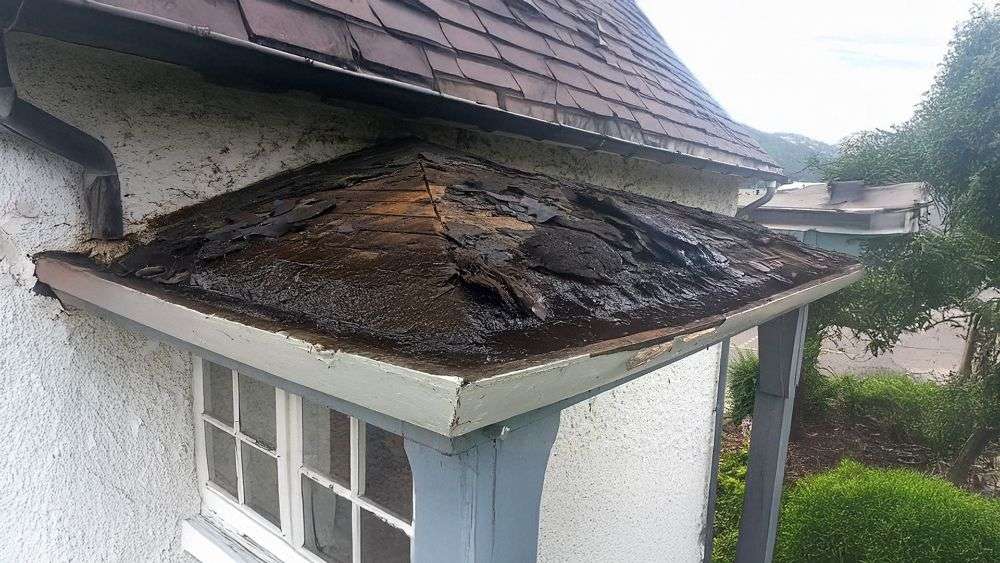
If you’ve experienced water damage in your home, you’re probably wondering: Will this affect my property value? Unfortunately, the answer is yes—water damage can significantly decrease your home’s resale value if not properly addressed.
At Insight Restoration, we’ve worked with homeowners across Sagle, Sandpoint, Ponderay, and throughout North Idaho, helping them recover from the effects of water damage and protect the investment they’ve made in their homes.
This article covers:
- How water damage affects home value
- What buyers and inspectors look for
- The long-term consequences if left untreated
- How to restore your home’s value
Why Water Damage Hurts Home Value
1. Water Damage Signals Risk
When appraisers or potential buyers see signs of water damage—like stains, warped floors, or mildew—they immediately assume:
- Possible structural damage
- Health hazards from mold
- Ongoing or recurring issues. This perception reduces buyer confidence and negotiation power, pushing them to offer less—or walk away altogether.
2. Cost of Future Repairs
If damage hasn’t been fully remediated, buyers expect to pay for repairs out-of-pocket. This cost gets factored into offers—often reducing value by $10,000 to $30,000+ depending on the severity.
3. Disclosure Requirements
In most states, sellers must legally disclose prior or current water damage. This transparency—while important—can scare buyers off if no professional remediation records exist.
Types of Water Damage That Affect Value the Most
Some damage has more long-term impact on property value than others. Here’s what tends to hurt most:
1. Basement Flooding
A wet or previously flooded basement can drop home value due to:
- Mold risk
- Compromised foundation
- Insurance issues
2. Roof Leaks
Water intrusion from roof damage stains ceilings and walls, weakens framing, and leads to attic mold.
3. Bathroom and Kitchen Leaks
Persistent leaks behind walls or under cabinets lead to rot and hidden mold, especially damaging in high-use, high-value spaces.
4. Crawl Space Moisture
Excess moisture in crawl spaces can degrade insulation, support beams, and air quality—undermining the home’s structural health.
5. Mold Contamination
Black mold and mildew smell or staining can tank offers instantly. Buyers often associate mold with unsafe air and costly remediation.
How Much Value Can Water Damage Reduce?
The exact number varies, but here are some general estimates:
| Type of Damage | Average Decrease in Home Value |
|---|---|
| Minor Wall/Trim Stains | 5% – 10% |
| Unresolved Roof Leaks | 10% – 20% |
| Mold Contamination | 15% – 35% |
| Structural/Flooding Issues | Up to 50% |
For a $400,000 home, unresolved water damage could slash its sale value by $40,000–$200,000, depending on scope and location.
Do Home Inspectors Catch Water Damage?
Yes—and they’re trained to look for even subtle signs. A home inspection report will call out:
- Stains on ceilings or walls
- Soft drywall or flooring
- Mold or mildew odors
- Elevated moisture levels
- Rusted pipes or water heaters
- Improper drainage, roofing, or grading
If issues are found, buyers may:
- Walk away
- Renegotiate the price
- Request repairs before closing
This can delay or even cancel a sale unless damage has been professionally addressed and documented.
Can You Sell a Home That’s Had Water Damage?
Yes—if it’s been properly remediated. Here’s how to improve your chances of maintaining or restoring your home’s market value:
1. Hire Certified Water Damage Professionals
DIY fixes don’t inspire buyer confidence. Insight Restoration offers certified water damage restoration, including:
- Moisture detection and mapping
- Mold remediation
- Drying and dehumidification
- Structural repair and rebuilding
- Full documentation for your records
2. Document Everything
Keep receipts, photos, and inspection reports to show the damage was fully and professionally addressed.
3. Disclose Honestly
Transparency builds trust. Disclosing past damage, along with showing proof of repair, can ease buyer concerns.
4. Get a Pre-Sale Inspection
A clean bill of health from an inspector helps you market your home confidently, even after prior damage.
Insurance and Water Damage
Some homeowners believe insurance will cover everything—but that’s not always true. Most policies cover sudden water damage (like burst pipes), but not:
- Gradual leaks
- Poor maintenance
- Mold from long-term exposure
This means you could be left paying for damage that still lowers your home’s value. Proactive repairs and restoration are critical.
Preventing Water Damage Is Protecting Your Investment
The best way to avoid water damage affecting your home’s value is to stop it before it starts.
Prevention Checklist:
- Inspect roof annually for missing shingles or flashing
- Clean gutters and downspouts regularly
- Check under sinks and appliances for leaks
- Seal basement walls and ensure proper drainage
- Use sump pumps in low-lying areas
- Address plumbing issues immediately
- Install moisture alarms near water heaters and laundry areas
Need help with prevention or early detection? Insight Restoration offers free consultations to identify hidden risks in your home.
Insight Restoration’s Value-Saving Approach
We help homeowners across North Idaho:
- Identify hidden water intrusion
- Mitigate damage before it spreads
- Remove moisture and mold
- Rebuild walls, floors, and ceilings
- Document every step for future sale protection
Whether you’re planning to sell or just want to protect your home, Insight Restoration helps preserve and even improve your property value.
Final Thoughts – Protect Your Home, Protect Its Value
Water damage doesn’t just hurt your home—it hurts your financial future. Whether you’re dealing with a past leak or a recent flood, taking swift, professional action can:
- Prevent long-term structural issues
- Reduce mold risk
- Restore home value
- Give buyers peace of mind
📞 Need help now?
Call Insight Restoration at (208) 427‑3042 or visit insightrestoration247.com. Serving Sagle, Sandpoint, Ponderay, and North Idaho, we’ll help restore your home—and its value.
Frequently Asked Questions (FAQ)
1. Does all water damage reduce home value?
Not always. If damage is minor and repaired promptly, the effect can be minimal—especially with documentation.
2. Will insurance fix the damage completely?
Only if the cause is sudden and accidental. Long-term leaks or neglect are often excluded.
3. How do I know if my home has hidden water damage?
Common signs include musty odors, soft walls, bubbling paint, or warped floors. Thermal imaging and moisture mapping can confirm hidden issues.
4. Can I fix water damage myself?
Small cosmetic issues, yes. But structural damage, mold, or extensive moisture needs professional help to ensure it doesn’t affect future value or safety.
5. Should I delay selling my home if it’s had water damage?
Only if it’s unresolved. If properly remediated and inspected, you can sell confidently—with full disclosure and professional repair history.