
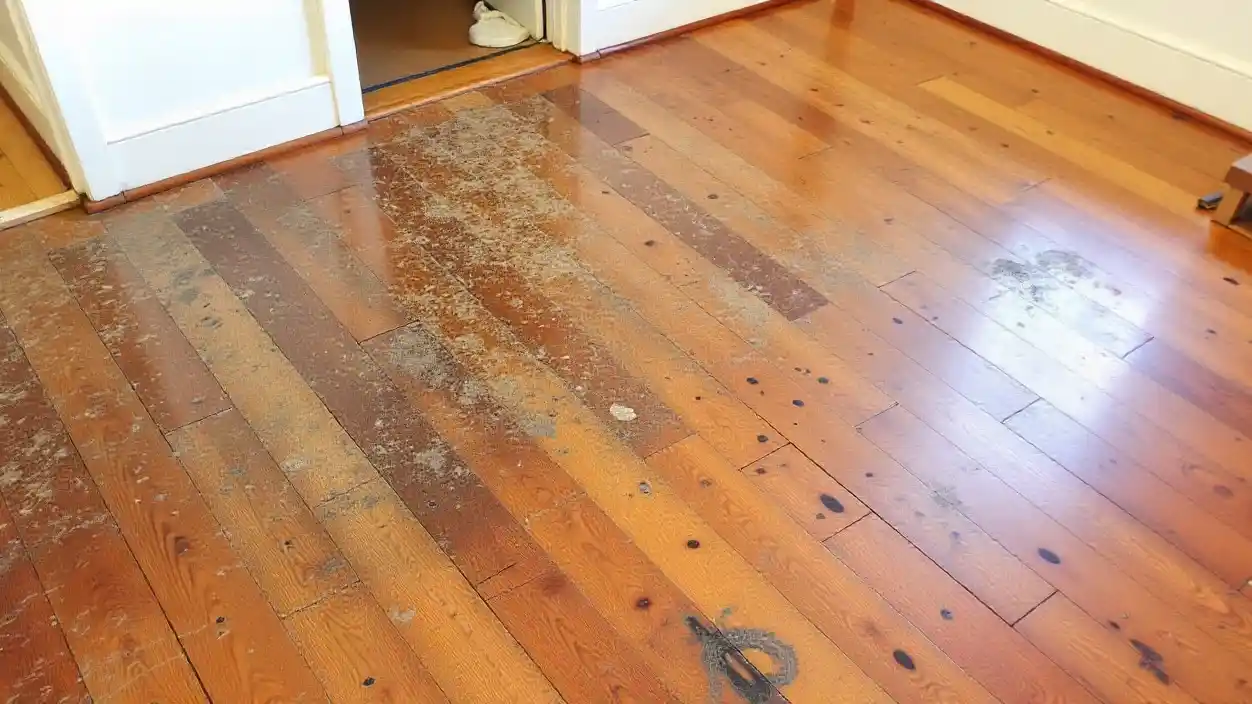
Water damage can wreak havoc on any home, but when it affects your beautiful wooden floors and furniture, the impact can feel especially devastating. Wood, being porous, easily absorbs moisture—leading to warping, discoloration, and even mold growth if left untreated. Fortunately, with the right techniques and timely action, you can restore much of your wood’s original beauty and strength.
In this guide, we’ll share expert tips to revive water-damaged wooden furniture and floors, along with insights on when it’s best to call the professionals at Insight Restoration, the leading water damage restoration company trusted by homeowners for quality craftsmanship and fast response.
1. Act Fast — Time Is Critical
The longer the wood remains wet, the more severe the damage becomes. Within hours, water can penetrate deep into the grain, causing swelling and splitting. Within days, mold may start to grow.
As soon as you discover water damage:
- Remove standing water immediately using a wet/dry vacuum or mop.
- Wipe all affected surfaces with absorbent towels to remove surface moisture.
- Increase airflow by opening windows and using fans and dehumidifiers.
Speed is crucial — even a few extra hours can make the difference between a successful restoration and irreversible damage.
2. Assess the Severity of the Damage
Before beginning restoration, determine how badly your wood has been affected:
- Surface-level damage (light discoloration, small stains, minor swelling) can often be repaired with simple drying and refinishing.
- Moderate damage (warping, cupping, or deep stains) may require sanding, refinishing, or replacing certain boards.
- Severe damage (structural weakening, mold growth, or extensive swelling) typically calls for professional intervention.
If you’re unsure about the extent of the damage, a professional assessment from Insight Restoration can help you make an informed decision and prevent costly mistakes.
3. Dry Thoroughly but Carefully
Drying wood requires patience and the right balance. Rapid or uneven drying can cause the wood to crack or split.
Here’s how to dry effectively:
- Use dehumidifiers to remove moisture from the air.
- Run fans continuously to improve circulation.
- Avoid direct heat like hair dryers or heaters; these can cause the surface to dry faster than the interior, leading to warping.
- Lift rugs or carpets covering wood floors to allow full ventilation.
Depending on humidity and temperature, the drying process may take several days to a week. Monitor progress daily, checking for signs of mold or musty odors.
4. Clean and Disinfect
Even after drying, water-damaged wood can harbor dirt, bacteria, and mold spores.
Use these cleaning tips:
- Mild detergent and water: Gently scrub the surface to remove grime.
- Vinegar solution (1:1 water to white vinegar): Helps eliminate odors and prevent mold growth.
- Specialized wood cleaners: For valuable or antique furniture, use wood-safe products recommended by restoration experts.
Avoid over-wetting the wood during cleaning — use a damp (not soaked) cloth and dry thoroughly afterward.
5. Address Warping and Staining
Water can cause wood fibers to expand unevenly, leading to warping, cupping, or dark stains.
To correct warping:
- Lay heavy, flat objects (like books or weights) on the warped areas once the wood is nearly dry.
- For severe warping, professional refinishing or replacement may be necessary.
For stains:
- Light stains may be removed with a mixture of baking soda and water applied gently with a soft cloth.
- Dark stains often indicate water has penetrated deeply — sanding and refinishing are usually required to restore color uniformity.
6. Sanding and Refinishing
Once completely dry, sanding helps smooth out uneven surfaces and remove discoloration. Start with coarse-grit sandpaper to strip away the damaged layer, then use finer grits for a polished finish.
After sanding:
- Apply a wood conditioner or sealant to protect the surface.
- Finish with a stain or varnish that matches your original color and sheen.
If you’re restoring large areas like hardwood floors, this is where Insight Restoration excels. Their expert technicians use advanced equipment and techniques to refinish floors safely and beautifully, restoring them to pre-damage condition.
7. Prevent Future Water Damage
Once your wood is restored, prevention is key to avoiding future issues:
- Use area rugs or mats near entryways and sinks.
- Maintain proper humidity levels in your home (ideally 30–50%).
- Inspect plumbing and appliances regularly for leaks.
- Seal wooden surfaces with water-resistant finishes.
In high-risk areas such as basements or bathrooms, consider installing moisture barriers beneath flooring for extra protection.
8. When to Call the Professionals
DIY methods can handle minor water exposure, but for severe or widespread damage, professional help is essential.
You should call Insight Restoration if:
- The water damage has affected a large area.
- There’s visible mold growth or a persistent odor.
- Floors are buckled, warped, or separating from the subfloor.
- Your wooden furniture shows deep staining or structural weakening.
Insight Restoration offers comprehensive water damage services — from emergency water extraction and drying to refinishing and mold remediation. Their experienced team uses advanced drying equipment, moisture meters, and restoration techniques to ensure your wooden furniture and floors are revived safely and efficiently.
Final Thoughts
Restoring water-damaged wood requires quick action, patience, and precision. While minor cases can often be handled with DIY care, extensive damage calls for professional expertise.
With Insight Restoration by your side, you can trust that your cherished wooden floors and furniture will be treated with the utmost care. Their team’s dedication, experience, and advanced restoration methods ensure that your home’s beauty and integrity are fully restored — faster and more effectively than you ever thought possible.
If you’re facing water damage today, don’t wait — contact Insight Restoration, the premier water damage restoration company, and let the experts bring your wood back to life.
FAQ
1. Can water-damaged wooden furniture really be restored?
Yes, in many cases, water-damaged wooden furniture can be restored—especially if the damage is caught early. Quick drying, cleaning, and refinishing can often bring furniture back to life. For severe swelling or mold, professional restoration from experts like Insight Restoration ensures safe and lasting results.
2. How long does it take to dry water-damaged wood floors?
Drying time depends on the severity of the damage and humidity levels. Minor water exposure may dry in 2–3 days, while major flooding can take a week or more. Using industrial-grade dehumidifiers and air movers, Insight Restoration can significantly speed up this process.
3. What should I do immediately after noticing water on my wooden floor?
Act fast—remove standing water with a mop or wet vacuum, increase ventilation, and use fans or dehumidifiers. Avoid using direct heat sources like hair dryers, which can cause cracks. Contact Insight Restoration promptly to prevent further damage and mold growth.
4. Will my wooden floors always warp after water damage?
Not necessarily. Minor warping may self-correct as the wood dries, while moderate to severe warping can often be repaired through sanding and refinishing. However, prolonged exposure can cause permanent damage—another reason to call Insight Restoration early for professional drying and assessment.
5. How can I tell if my furniture has absorbed too much water to be saved?
If the wood feels soft, smells musty, or shows visible mold, it’s likely heavily saturated. Warping, cracking, or separation of joints are also warning signs. Insight Restoration’s technicians use moisture meters and structural assessments to determine if restoration or replacement is the best option.
6. Is it safe to clean water-damaged wood with vinegar or soap?
Yes, but carefully. Mild soap or a 1:1 vinegar-water solution can remove grime and odors, but never oversaturate the wood. Wipe with a damp—not wet—cloth and dry immediately. For antiques or valuable furniture, consult Insight Restoration for specialized cleaning techniques.
7. Can mold grow under wooden floors after water exposure?
Absolutely. If moisture remains trapped under floorboards, mold can begin forming within 24–48 hours. This not only damages the wood but can also affect indoor air quality. Insight Restoration offers professional mold detection and remediation services to ensure your home stays safe.
8. Will insurance cover the cost of restoring water-damaged wood floors?
In many cases, yes. Home insurance typically covers water damage caused by sudden or accidental events, such as pipe bursts or appliance leaks. Insight Restoration works directly with most insurance providers to simplify the claims process and minimize stress for homeowners.
9. Should I sand and refinish water-damaged wood myself?
Light sanding might be possible for small spots, but for widespread damage, DIY sanding can worsen unevenness or remove too much material. Professional refinishing by Insight Restoration ensures consistent color, smooth finish, and proper sealing to prevent future issues.
10. How can I prevent water damage to my wooden furniture and floors in the future?
Prevention starts with moisture control. Use mats near sinks and doors, maintain indoor humidity between 30–50%, and seal wooden surfaces with waterproof finishes. Regularly inspect pipes, appliances, and roofing for leaks. If flooding occurs, Insight Restoration can provide immediate water extraction and protective treatments to safeguard your woodwork.