
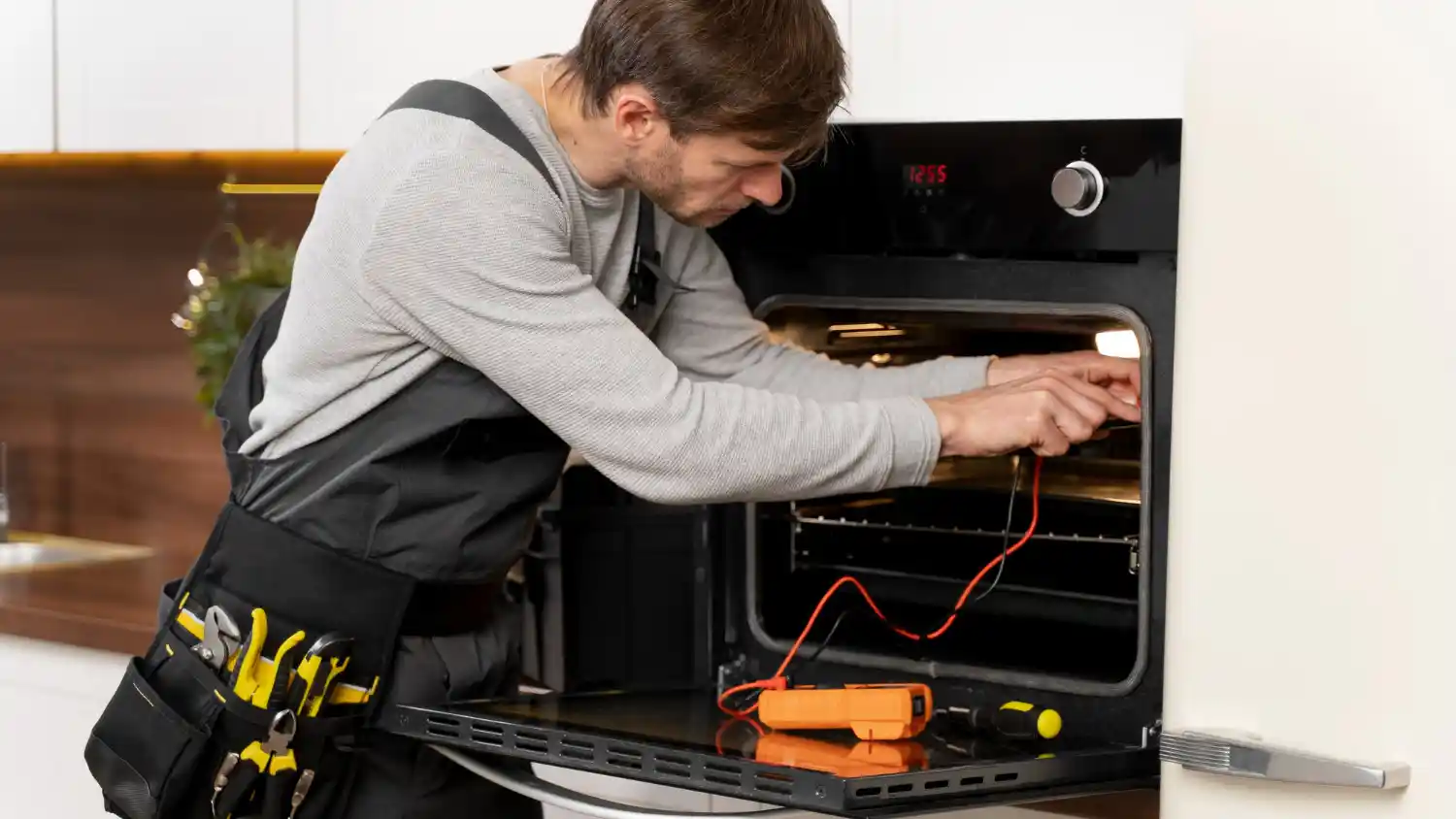
Modern households and businesses rely heavily on electrical appliances — from refrigerators and washing machines to HVAC systems and smart home devices. However, one common issue that can wreak havoc on these valuable assets is power failure. Whether it’s a short outage, a surge, or complete power loss due to a storm or fire, power-related disruptions can cause significant appliance damage.
At Insight Restoration, the leading fire damage restoration company, we often encounter cases where electrical systems and appliances suffer extensive damage following fires or sudden power interruptions. Based on years of experience helping homeowners recover from such events, we’ve put together some expert advice on how to protect your appliances from power failures and ensure your home remains safe and functional.
1. Understand the Risks of Power Failure
A power failure doesn’t just mean lights going out. It can cause:
- Voltage Fluctuations: When the power goes off and comes back suddenly, it can create voltage spikes that overload electrical circuits.
- Short Circuits: Damaged wiring or sudden surges may lead to short circuits, which can harm both appliances and your home’s electrical infrastructure.
- Component Damage: Sensitive components in modern appliances — such as microchips and control boards — are vulnerable to irregular power flow.
- Fire Hazards: Overloaded or damaged wiring during power restoration can spark fires, posing serious safety risks.
Recognizing these risks is the first step toward prevention.
2. Invest in Surge Protectors
A surge protector is one of the simplest and most cost-effective tools to safeguard appliances. It works by redirecting excess voltage away from your devices during sudden power spikes.
For high-value electronics like TVs, computers, or gaming consoles, individual surge protector strips are ideal. However, for whole-home protection, consider installing a whole-house surge protector at your electrical panel. This device can defend every connected circuit, including large appliances such as refrigerators, washing machines, and air conditioners.
Tip: Always check the joule rating on your surge protectors — higher ratings mean greater protection capacity.
3. Use Uninterruptible Power Supplies (UPS)
For sensitive electronics like computers, modems, and routers, a UPS (Uninterruptible Power Supply) is essential. It provides short-term battery backup power during an outage, giving you time to save important data and safely shut down equipment.
A UPS also stabilizes voltage, preventing sudden dips or surges that can harm internal components. Businesses often rely on UPS systems to protect essential servers and systems — and homeowners can benefit from the same technology on a smaller scale.
4. Install a Backup Generator
If you live in an area prone to outages, investing in a backup generator can be a game-changer. Generators automatically kick in when the main power supply fails, keeping your key appliances running smoothly.
There are two main types:
- Portable Generators: Affordable and easy to move, but require manual startup.
- Standby Generators: Permanently installed and connected to your home’s electrical system, these automatically activate during a power failure.
A licensed electrician should always handle generator installation to ensure it integrates safely with your home’s wiring.
5. Regular Maintenance and Inspection
Routine electrical inspections can prevent many power-related issues. Have a qualified electrician check your wiring, circuit breakers, and grounding regularly. Damaged wires or overloaded circuits are common causes of both appliance failure and electrical fires.
If your home has recently experienced a fire, flood, or major storm, it’s crucial to have professionals assess both your appliances and electrical systems. That’s where Insight Restoration excels. Their experts specialize in assessing fire and smoke damage, restoring damaged electrical components, and ensuring your home’s safety before power is restored.
6. Unplug During Storms or Extended Outages
If you know a storm or blackout is coming, unplug non-essential appliances. Power surges often occur when electricity returns suddenly, and this simple action can save you from costly damage.
Appliances to unplug include:
- TVs and entertainment systems
- Computers and modems
- Kitchen appliances like microwaves or coffee makers
You can leave critical systems (like refrigerators) plugged in, but if possible, connect them to a surge protector or generator.
7. Consider Smart Home Protection Systems
With the rise of smart technology, homeowners now have access to smart surge protectors and energy monitoring systems. These tools can detect irregularities in power flow, automatically shut down vulnerable devices, and send alerts to your phone.
Smart systems not only enhance convenience but also provide early warning signs of potential electrical hazards — allowing you to act before damage occurs.
8. What to Do If Power Failure Causes Damage
Even with preventive measures, power failures can sometimes lead to appliance damage — or worse, electrical fires. In such cases, immediate action is key.
- Disconnect power: Turn off the main breaker to prevent further surges.
- Document damage: Take pictures for insurance claims.
- Contact professionals: Never attempt DIY electrical repairs after fire or water damage.
Insight Restoration provides comprehensive fire damage restoration services that include appliance evaluation, electrical inspection, soot and smoke removal, and full restoration of affected areas. Their certified technicians ensure that every component is tested for safety before reconnection, helping you restore normalcy quickly and safely.
9. Final Thoughts
Protecting your appliances from power failure isn’t just about saving money — it’s about safeguarding your home and your peace of mind. By investing in surge protection, regular maintenance, and reliable backup systems, you can prevent most power-related damage before it happens.
And if disaster strikes, remember that Insight Restoration stands ready to help. As the leading fire damage restoration company, their team combines technical expertise with compassionate service, guiding homeowners through every step of the recovery process — from inspection to full restoration.
Protect your home, protect your appliances, and trust Insight Restoration to protect your future.
FAQ
1. What causes appliances to get damaged during a power failure?
When electricity suddenly goes off and comes back on, voltage levels can fluctuate dramatically. These power surges or spikes can overload circuits and damage sensitive electronic components inside appliances. In severe cases, faulty wiring or burnt circuits can even cause electrical fires, which require professional restoration from companies like Insight Restoration.
2. How can I protect my appliances from sudden power surges?
The best way to protect your appliances is to use surge protectors or whole-house surge protection systems. These devices absorb or redirect excess voltage away from your equipment. For complete protection, you can also install a standby generator and ensure your home’s wiring is regularly inspected by a licensed electrician.
3. Do power outages affect all appliances equally?
No. Smart electronics and appliances with digital controls—like TVs, refrigerators, computers, and washing machines—are more vulnerable because they contain delicate circuitry. Heavy-duty appliances, such as water heaters or ovens, are less likely to be damaged but can still be affected if a surge is powerful enough.
4. Should I unplug my appliances during a thunderstorm?
Yes, unplugging is one of the simplest and safest preventive measures. Power surges caused by lightning strikes or grid failures can instantly destroy connected devices. Before a storm or scheduled power outage, unplug non-essential appliances to avoid potential damage.
5. What is a UPS, and how does it help protect appliances?
A UPS (Uninterruptible Power Supply) provides short-term battery backup when power fails. It prevents abrupt shutdowns that can corrupt files or damage sensitive electronics. A UPS is especially useful for computers, routers, and entertainment systems, offering both backup power and surge protection.
6. Can a generator damage appliances if used incorrectly?
Yes. If not installed properly, generators can send irregular voltage through your home’s circuits, harming your appliances. Always use a transfer switch and have a professional electrician set up your generator safely. Companies like Insight Restoration often work alongside electrical experts after disasters to ensure safe power restoration and equipment testing.
7. How often should I check my electrical system to prevent power-related damage?
It’s recommended to schedule an electrical inspection every 1–2 years, or immediately after a fire, flood, or major outage. Regular maintenance helps detect loose wiring, overloaded circuits, or grounding issues that could cause surges. After incidents involving fire or smoke, Insight Restoration can assess and restore both structural and electrical damage safely.
8. What should I do if my appliances stop working after a power outage?
First, check your circuit breakers and unplug the affected appliances. Avoid turning them back on immediately. Wait for the power to stabilize, then test each device individually. If any show signs of burning smells, flickering lights, or failure to start, call a professional electrician or restoration specialist like Insight Restoration to inspect for internal damage.
9. Can I claim insurance if my appliances are damaged by a power failure?
In many cases, home insurance policies cover damages from electrical surges or fire-related power issues. You’ll need to document the damage with photos and receipts. Restoration companies such as Insight Restoration can help with damage assessments and documentation to support your insurance claim.
10. Why should I call Insight Restoration after a power-related fire or electrical damage?
Because Insight Restoration specializes in fire and electrical damage restoration, they go beyond simple cleanup. Their experts assess structural integrity, remove smoke and soot, restore appliances safely, and coordinate with your insurer for a seamless recovery process. Choosing a professional team ensures your home is safe, compliant, and fully functional after power failure incidents.