
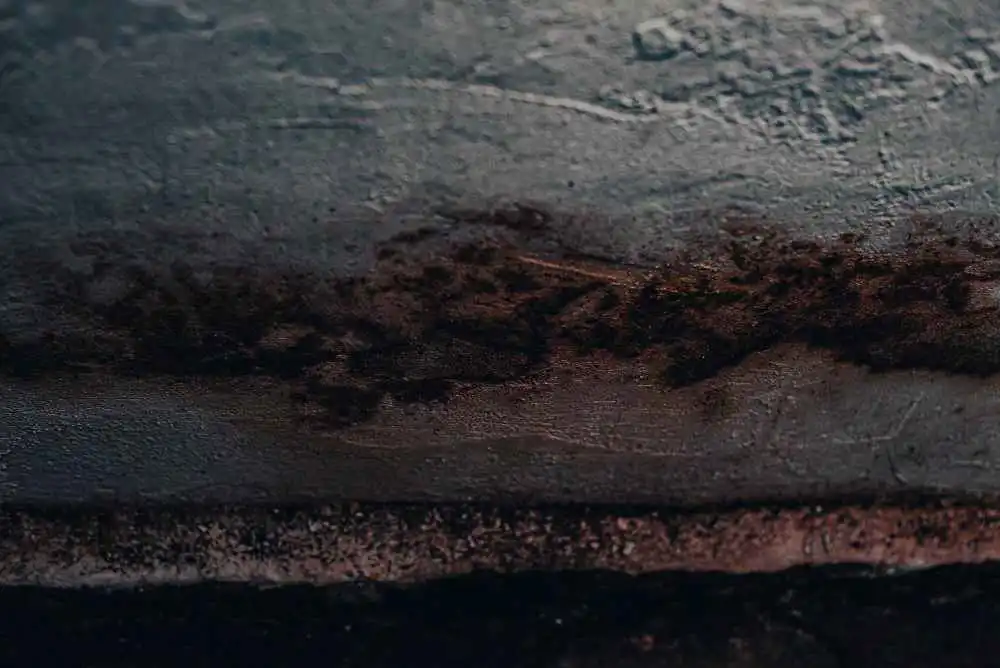
For homeowners in North Idaho, water damage is a common concern, especially for those with wood floors. Whether it’s from a burst pipe, heavy rain, or flooding, water can wreak havoc on your beautiful hardwood. The good news? With the right approach, you can restore your floors. Here are detailed industry best practices to help you tackle water-damaged wood floors.
Recognizing Water Damage on Wood Floors
Water damage is often easy to spot if you know the signs. Look for:
- Cupping: Edges of floorboards rise above the center, creating a concave shape. This indicates moisture trapped underneath.
- Crowning: Opposite to cupping, the center of the board rises above the edges, often due to moisture from above.
- Discoloration: Dark or light stains can indicate prolonged exposure to water.
- Soft Spots: Wood feels spongy or weak underfoot.
- Warping and Buckling: Boards lift or twist, showing extensive water exposure.
Preparing to Repair Water-Damaged Floors
Before starting repairs, follow these critical preparation steps:
- Turn Off Power and Electronics: Safety first. Disconnect power and remove electronics from the affected area.
- Identify the Flooring Type: Determine whether your floor is hardwood or laminate. Laminate often needs replacement, while hardwood may be repairable.
Tip: If unsure about the material, take a damaged piece to a hardware store for identification.
Step-by-Step to Repairing Water-Damaged Floors
1. Remove Surface Water
Act quickly to minimize damage. Use a wet/dry vacuum with a wide attachment to remove standing water. For thorough drying, use a squeegee to gather water into puddles for easy vacuuming.
2. Clean the Floor
Clean affected areas using a mild wood floor cleaner or a mix of detergent, water, and disinfectant. Scrub with a stiff brush, ensuring to clean baseboards and corners. Avoid pouring cleaning solution directly onto the floor.
3. Treat Mold Growth
Inspect for mold, especially in humid areas. Use an abrasive cleaner with mold treatment properties to scrub affected spots. After cleaning, rinse the area with water and dry it with absorbent cloths.
4. Dry the Floors
Patience is key when drying wood floors. Open windows, use fans, and allow natural drying. Avoid using heat sources like hair dryers, as rapid drying can cause cracks or additional damage. Wait at least 24-48 hours to ensure complete drying.
5. Sand the Damaged Area
Rent a buffer or sander to smooth the affected area. Sanding resolves most cupping or crowning issues and removes leftover stains or surface paint. Vacuum thoroughly to eliminate debris before proceeding.
6. Replace Severely Damaged Panels
For panels beyond repair, use a pry bar to remove them carefully. Treat and clean the area beneath, ensuring it’s mold-free and dry before installing replacement panels. Apply wood glue to the back of the new panel, align it, and press firmly until the glue sets.
7. Stain and Refinish
Finish your repair with a protective seal. Use a wood stain or paint that matches your flooring, followed by a waterproof sealer. Apply 2-3 coats, allowing each layer to dry fully before adding the next.
DIY vs. Hiring Professionals
Repairing water-damaged floors can be a time-intensive and challenging project, especially for large areas or severe damage. While minor repairs are manageable with patience, professionals bring the expertise and tools needed for complex situations, such as mold remediation or structural damage.
Cost Considerations: Hiring professionals costs between $8 and $100 per square foot, depending on the material and extent of the damage. This investment can save you from future issues like hidden mold growth or uneven flooring.
Preventing Future Water Damage
- Seal Floors: Use waterproof sealants to protect wood from moisture.
- Fix Leaks Immediately: Address plumbing issues as soon as they arise.
- Control Humidity: Maintain optimal indoor humidity levels with dehumidifiers.
- Use Mats and Rugs: Place them in high-risk areas like kitchens or entryways.
Insight Restoration: Your Partner in Floor Restoration
At Insight Restoration, we specialize in water damage restoration, including wood floor repairs. With over 50 years of combined experience, our team provides expert solutions to bring your floors back to life.
Why Choose Us?
- 24/7 Emergency Services: Quick response to minimize damage.
- Certified Technicians: IICRC-certified professionals ensure quality results.
- Advanced Equipment: State-of-the-art tools for effective restoration.
- Comprehensive Services: From mold remediation to storm damage cleanup.
Frequently Asked Questions
1. Do I need to remove water-damaged wood floors?
If your home uses laminate flooring, it often needs to be completely replaced, as laminate is highly vulnerable to moisture. Hardwood floors, on the other hand, may only require partial repair or sanding unless the subfloor is severely damaged.
2. How quickly should I act after discovering water damage?
Immediately. The longer the water sits, the more extensive the damage becomes. Use a shop vacuum to remove water and call Insight Restoration at (208) 427-2534 for professional assistance.
3. Can I repair water-damaged floors myself?
Yes, minor damage can often be repaired with patience and the right tools. However, for extensive damage or underlying issues like mold, hiring professionals is recommended.
4. How do I prevent mold under wood floors?
Ensure the area is thoroughly dried after water exposure. Use mold treatment products during cleaning, and consider sealing your floors for added protection.
5. What’s the cost of professional water damage restoration?
Costs vary based on the extent of the damage but typically range from $8 to $100 per square foot. Contact Insight Restoration at (208) 427-2534 for an accurate estimate.