
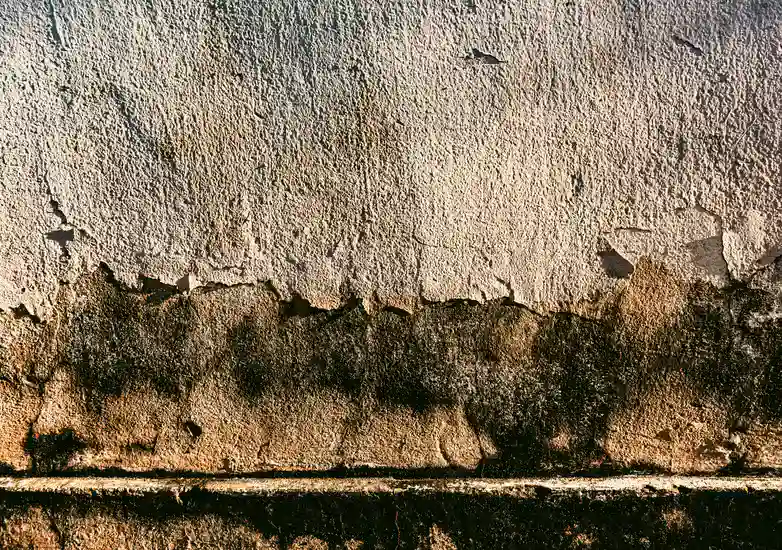
Understanding Water Damage and Its Impact
Water damage is one of the most common and destructive problems homeowners and businesses face. It can result from natural disasters, plumbing failures, roof leaks, and more. Understanding the extent of the damage is crucial to taking the right restoration steps.
Water damage can be categorized into different levels based on the severity and the source of the water. It is crucial to address the damage quickly to prevent further deterioration of the property, potential health hazards, and financial strain. At Insight Restoration, we specialize in comprehensive water damage restoration services, ensuring fast and effective solutions for homes and businesses in Sagle, ID, and surrounding areas. With years of experience and a dedicated team, we provide top-tier restoration services, from water extraction to mold remediation, helping property owners recover from disasters efficiently. Contact us at (208) 427-3042 for immediate assistance.
Common Causes of Water Damage
1. Natural Disasters
Heavy rain, hurricanes, and flooding can lead to severe water intrusion in homes and commercial buildings. When water levels rise due to natural disasters, they bring contaminants, mud, and debris into structures, making restoration even more complex.
2. Plumbing Issues
Burst pipes, leaking appliances, and sewer backups are major causes of water damage in buildings. Plumbing failures can be sudden, such as a burst pipe, or gradual, like a slow leak behind walls that goes unnoticed for months.
3. Roof Leaks
Poor roofing maintenance can allow water to seep into the attic, leading to structural damage and mold growth. Small cracks or missing shingles might seem insignificant, but over time, they can cause extensive damage to ceilings and walls.
4. Foundation Cracks
A weak foundation can let water seep through walls and basements, causing long-term deterioration. Basement flooding is often a result of poor drainage, hydrostatic pressure, or cracks in the foundation, leading to expensive repairs.
How Water Damage Affects People’s Lives
1. Health Risks from Mold and Bacteria
Standing water encourages mold growth, leading to respiratory problems, allergies, and skin infections. Black mold, in particular, can be toxic and require professional remediation.
2. Financial Burdens
Water damage restoration can be expensive, especially when insurance doesn’t cover all costs. Many people struggle to afford complete repairs, leading to unfinished restoration and compromised living conditions.
3. Emotional Stress
Losing valuable possessions and dealing with home repairs can be overwhelming and emotionally draining. Sentimental items, photographs, and heirlooms may be destroyed, causing emotional distress that goes beyond financial loss.
Categories of Water Damage
1. Clean Water Damage
Caused by broken pipes or rainwater, this type is the easiest to clean and restore. It poses minimal health risks but should still be addressed promptly to prevent mold growth.
2. Grey Water Damage
Results from appliance leaks or wastewater from sinks and showers, containing some contaminants. It requires disinfection and may lead to health issues if not treated properly.
3. Black Water Damage
The most dangerous type, involving sewage backups or floodwater that carry harmful bacteria and toxins. This category requires specialized handling due to the risk of serious health hazards.
Signs of Water Damage in Homes
1. Discoloration on Walls and Ceilings
Yellow or brown stains indicate prolonged water exposure. These stains often mean that leaks have been present for some time, potentially causing hidden damage.
2. Musty Odors
Mold and mildew produce strong, unpleasant smells that signal water damage. Even if visible signs aren’t present, a persistent musty smell suggests moisture problems behind walls or under flooring.
3. Warped Floors and Walls
Water can cause materials like wood and drywall to expand, warp, or rot over time. Buckling floors, peeling paint, and sagging ceilings indicate significant moisture intrusion.
Steps to Take Immediately After Water Damage
1. Ensure Safety First
Turn off electrical power and evacuate if water levels are high. Water and electricity create a deadly combination, making it crucial to prioritize safety.
2. Identify the Source
Determine whether the water is coming from a leak, broken pipe, or external source. Stopping the source is critical to preventing further damage.
3. Remove Excess Water
Use buckets, mops, and wet vacuums to extract standing water quickly. Professional restoration services may use industrial-grade pumps to accelerate water removal.
4. Dry Affected Areas
Open windows, use fans, and run dehumidifiers to accelerate drying. Proper ventilation is key to preventing mold and further deterioration.
Challenges People Face During Water Damage Restoration
1. Dealing with Insurance Companies
Many homeowners struggle with claims and may not receive full compensation. Understanding policy details and working with public adjusters can help maximize claims.
2. Finding Reliable Contractors
Hiring an experienced restoration service can be difficult, with some companies offering subpar services. Researching reviews and credentials is essential to finding trustworthy professionals.
3. Salvaging Belongings
Personal items like documents, furniture, and electronics may be irreversibly damaged. Restoration services may be able to save some possessions through drying and cleaning techniques.
Effective Water Damage Restoration Techniques
1. Water Extraction
Professional-grade pumps and vacuums remove large amounts of water efficiently. This is the first crucial step in preventing secondary damage.
2. Structural Drying
Industrial fans, heaters, and dehumidifiers are used to remove moisture trapped in walls and floors. Technicians monitor moisture levels to ensure thorough drying.
3. Mold Prevention and Treatment
Antimicrobial treatments and air filtration systems prevent mold growth. HEPA filters and mold-killing solutions help mitigate health risks.
4. Repairs and Reconstruction
Replacing drywall, flooring, and insulation to restore the home’s original condition. Structural repairs may also be needed in cases of severe damage.
Choosing the Right Water Damage Restoration Service
1. Check Licensing and Certification
Ensure the company is certified by organizations like the IICRC (Institute of Inspection Cleaning and Restoration Certification). Proper certification indicates industry-standard practices.
2. Look for Experience and Reviews
Customer testimonials and case studies provide insight into service quality. Checking references and past projects can help assess reliability.
3. 24/7 Emergency Services
Water damage requires immediate attention; choose a company that offers round-the-clock support. Delayed response can lead to additional destruction and higher costs.
Preventing Future Water Damage
1. Regular Home Inspections
Check plumbing, roofing, and basements periodically for potential leaks. Routine maintenance helps catch issues before they escalate.
2. Improve Drainage Systems
Ensure gutters and downspouts are clear to prevent water buildup. Proper landscaping and grading also help divert water away from the foundation.
3. Use Water Leak Detection Devices
Smart water sensors can detect leaks early and send alerts to homeowners. Investing in leak detection technology can prevent costly water damage incidents.
FAQs
1. How long does the water damage restoration process take?
The duration depends on the severity of the damage, but it typically takes between 3 to 7 days for drying and restoration.
2. Can I handle water damage cleanup on my own?
Minor water damage can be managed independently, but professional services are recommended for extensive damage to prevent mold growth and structural issues.
3. Does homeowners insurance cover water damage restoration?
Most insurance policies cover water damage caused by sudden incidents, but damage from neglect or poor maintenance may not be covered.
4. How soon should I start the restoration process after water damage?
Immediately. The longer water sits, the more damage it causes, increasing the risk of mold growth and structural issues.
5. What are the health risks of water damage?
Mold growth, bacteria buildup, and poor indoor air quality can lead to respiratory problems, allergies, and infections.
6. What should I do if my basement floods?
Turn off power to the affected area, remove excess water, and call a professional restoration service like Insight Restoration at (208) 427-3042.
7. How can I prevent future water damage?
Regular inspections, proper drainage, and installing water leak detection systems can help prevent damage.
8. What is black water damage, and how dangerous is it?
Black water damage contains harmful bacteria and toxins from sewage or floodwater, posing serious health risks and requiring specialized cleaning.
9. Can water damage cause permanent structural issues?
Yes, prolonged exposure to water can weaken foundations, walls, and flooring, leading to costly repairs.
10. Why choose Insight Restoration for water damage restoration?
With years of experience, certified professionals, and 24/7 emergency services, Insight Restoration ensures effective and reliable water damage restoration. Call us at (208) 427-3042 for immediate assistance.