
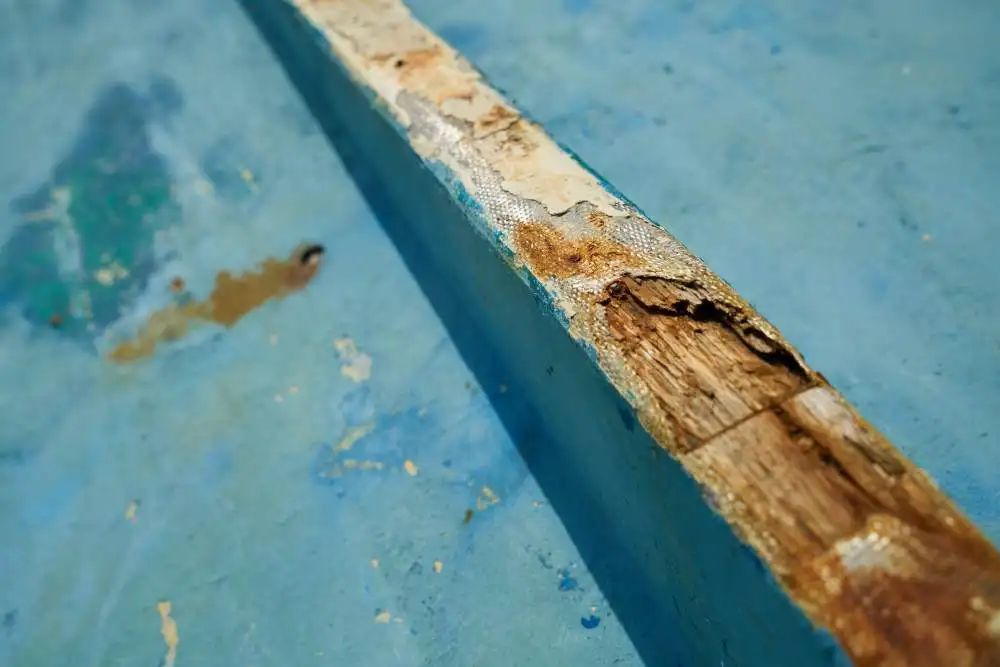
Water damage can be devastating, whether from flooding, burst pipes, or leaking appliances. The longer water sits, the worse the damage—leading to mold growth, structural issues, and health risks. That’s why quick action is essential. At Insight Restoration, we specialize in fast and effective water damage restoration in Sagle, ID, and surrounding areas. If you face water damage, follow this step-by-step guide or call (208) 427-3042 for expert assistance.
Step 1: Ensure Safety First
Before you begin water damage restoration, prioritize safety:
Turn off the power – Water and electricity are a dangerous combination. If the water level is high, turn off the electricity before stepping into the affected area.
Wear protective gear – Put on gloves, boots, and a mask to protect yourself from contaminants in the water.
Check for structural damage – If walls, ceilings, or floors appear unstable, avoid the area until a professional assesses it.
Identify water contamination – Water damage is classified into three categories:
- Category 1: Clean water from a broken pipe or supply line.
- Category 2: Grey water from appliances or sinks, containing contaminants.
- Category 3: Black water from sewage or floods, which is hazardous and requires professional handling.
If the water is Category 2 or 3, call a professional restoration service immediately.
Step 2: Stop the Source of Water
You can’t begin restoration until you stop the source of the water intrusion. Identify the issue and take necessary actions:
- Shut off the main water supply if the damage is from a burst pipe.
- Repair leaks from appliances, roofs, or plumbing systems.
- If the water is coming from outside due to flooding, use sandbags or other barriers to prevent more water from entering.
Once the source is under control, you can focus on drying out and restoring the affected area.
Step 3: Extract Standing Water
Standing water needs to be removed as quickly as possible to minimize damage. Here’s how:
Use a wet/dry vacuum – For small areas, a wet/dry vacuum can help remove excess water.
Use submersible pumps – For larger floods, a pump can quickly extract large amounts of water.
Mop up remaining water – Use towels and mops to soak up any residual moisture.
If the water level is too high, consider hiring a professional water damage restoration company that has industrial-grade equipment.
Step 4: Dry and Dehumidify the Area
Once the standing water is removed, drying the space is crucial to prevent mold growth and further damage.
Open windows and doors – Increase ventilation to help speed up drying.
Use fans and air movers – High-powered fans help circulate air and dry out affected areas faster.
Set up dehumidifiers – A dehumidifier helps remove moisture from the air, reducing humidity and preventing mold growth.
Lift carpets and remove wet padding – Carpets can trap moisture, so they should be lifted, and the padding should be replaced if soaked.
It’s important to ensure that walls, floors, and hidden areas (like inside cabinets and behind baseboards) are completely dry before moving on to repairs.
Step 5: Clean and Sanitize
Water damage can bring bacteria, mold, and unpleasant odors. Cleaning and disinfecting affected areas is a critical step.
Use antimicrobial cleaners – These help prevent mold and bacteria from spreading.
Sanitize walls, floors, and furniture – Wipe down all surfaces with disinfectants to eliminate potential contaminants.
Wash and disinfect salvageable items – If furniture, clothing, or personal items were exposed to water, clean them thoroughly before reuse.
Remove and dispose of unsalvageable materials – Severely damaged drywall, insulation, and carpets may need to be replaced to prevent health risks.
Step 6: Repair and Restore Damaged Areas
Once everything is clean and dry, it’s time to restore your property. The extent of repairs depends on the severity of the water damage.
Replace drywall and insulation – If walls absorbed water, cut out the damaged sections and install new drywall and insulation.
Repair or replace flooring – Hardwood floors may need sanding and refinishing, while soaked carpets might require replacement.
Repaint walls – Apply a fresh coat of paint to restore the appearance of affected walls.
Inspect for mold growth – If mold is present, hire a professional remediation service to remove it safely.
This step ensures your home or business is fully restored and safe to live in again.
Step 7: Prevent Future Water Damage
Once your space is restored, take preventive measures to avoid future water damage:
Regularly inspect plumbing and appliances – Check for leaks and replace old pipes or hoses.
Maintain gutters and downspouts – Keep them clear to prevent water from overflowing and seeping into your home.
Improve drainage around your property – Ensure water flows away from your foundation with proper grading and drainage systems.
Install a sump pump – If you live in a flood-prone area, a sump pump can help remove excess water before it causes damage.
Monitor humidity levels – Use dehumidifiers and keep indoor humidity below 50% to prevent mold growth.
When to Call a Professional
While minor water damage can often be handled on your own, certain situations require professional intervention:
- The water damage covers a large area.
- The water is contaminated (Category 2 or 3).
- Mold growth is visible.
- Structural damage is suspected.
- Electrical or HVAC systems are affected.
Professional water damage restoration experts have the tools, experience, and knowledge to restore your property safely and efficiently. Insight Restoration offers professional water damage restoration services to help you recover quickly. With advanced drying equipment, expert technicians, and a commitment to thorough restoration, Insight Restoration ensures your property is safe, clean, and fully restored. Whether it’s a minor leak or major flooding, their team is available 24/7 to handle the job efficiently and effectively.
FAQs
1. What should I do immediately after water damage?
Act fast! Turn off the water source (if possible), remove valuables, and start drying the area. Contact Insight Restoration at (208) 427-3042 for professional water damage restoration in Sagle, ID, and surrounding areas.
2. How long does water damage restoration take?
The timeline varies based on the severity, but drying typically takes 24-72 hours, with full restoration taking days to weeks. Our Insight Restoration team ensures a quick, efficient process for minimal disruption.
3. Can water damage cause mold growth?
Yes! Mold can start growing within 24-48 hours of water exposure. Our experts at Insight Restoration use advanced drying techniques to prevent mold and ensure a safe, mold-free home.
4. Does homeowners insurance cover water damage?
Insurance may cover sudden incidents like burst pipes but often excludes floods. We at Insight Restoration can assist with documentation and claim processes—call us for guidance at (208) 427-3042.
5. How do professionals restore water damage?
Our Insight Restoration team follows a thorough process: assessment, water extraction, drying, dehumidification, sanitization, and repairs. We restore your property quickly and effectively.
6. Can I clean up water damage myself?
For small spills, yes. But for extensive damage, professional restoration is crucial to prevent hidden moisture issues. Call Insight Restoration for expert help and a comprehensive solution.
7. What are the signs of hidden water damage?
Watch for musty odors, discoloration, peeling paint, warped floors, or unexplained spikes in your water bill. Our Insight Restoration team can detect hidden damage before it worsens.
8. How much does water damage restoration cost?
Costs vary based on the damage extent, but early intervention saves money. Get a free consultation from Insight Restoration—call (208) 427-3042 for an estimate.
9. Can water damage affect my home’s structure?
Yes! Prolonged exposure weakens drywall, flooring, and even the foundation. Insight Restoration specializes in structural drying and repairs to keep your home safe.
10. Do you offer emergency water damage restoration services?
Yes! Insight Restoration provides 24/7 emergency water damage restoration in Sagle, ID, and surrounding areas. Call us anytime at (208) 427-3042 for fast response.