
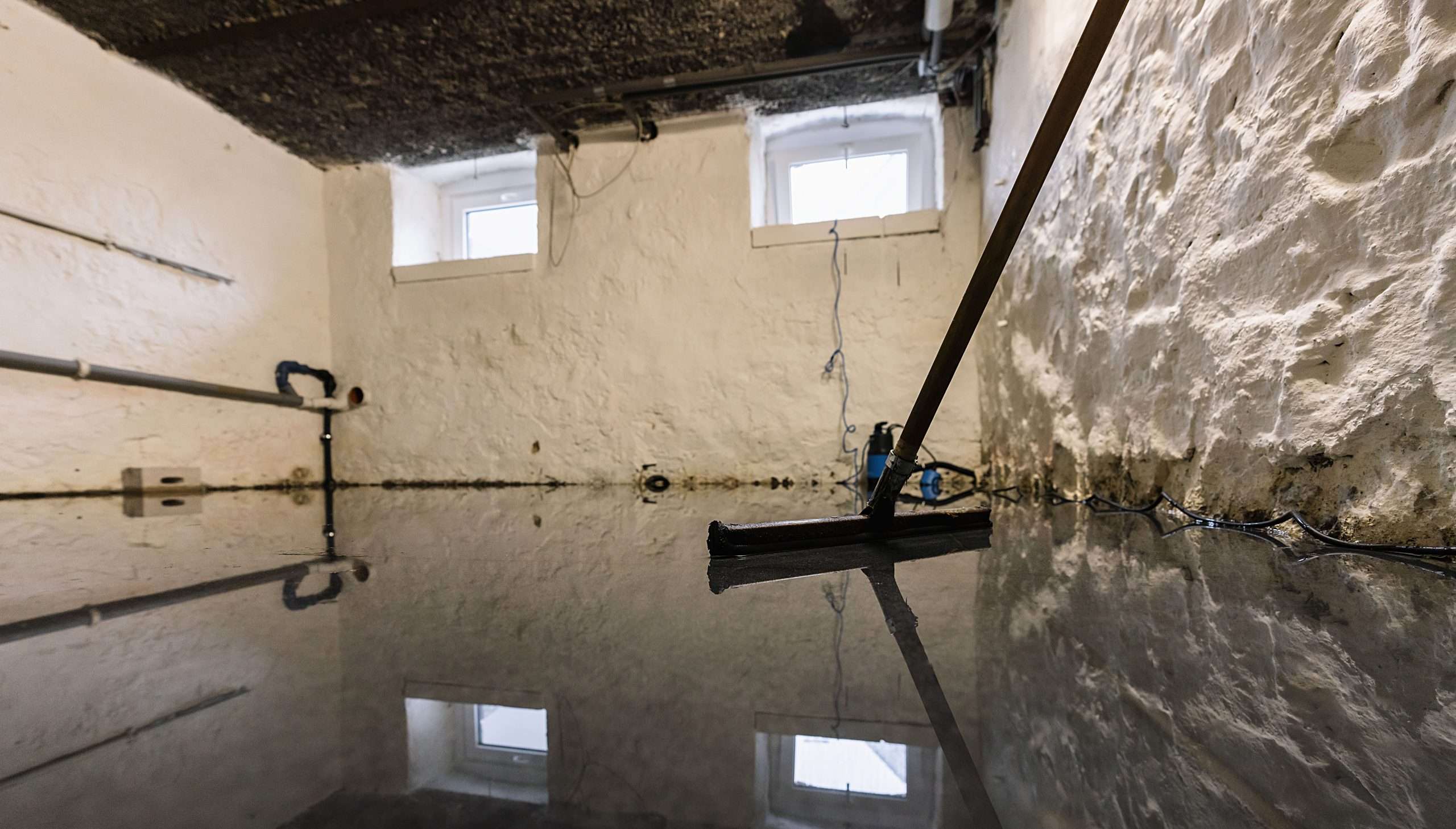
When your home or business experiences sudden water intrusion—whether from a burst pipe, heavy rain, or flooding—the situation can quickly become overwhelming. Water damage can lead to costly repairs, mold growth, and even structural damage if not addressed promptly. While professional restoration services like those provided by Insight Restoration are essential for thorough water removal and recovery, there are important steps you can take immediately to mitigate damage and protect your property before experts arrive.
Taking swift and sensible action during a water emergency can save you time, money, and stress. In this blog, we’ll walk you through five crucial things you should do before calling professional water damage restoration services.
1. Ensure Your Safety First
The safety of you, your family, and anyone else in the building is the absolute priority when water damage strikes. Water and electricity do not mix well, so before doing anything else, turn off the electricity to the affected area at the circuit breaker. This helps prevent electrical shocks and fires caused by water contacting live wires or outlets.
If water levels are high or rising quickly, avoid walking through standing water to prevent slips, falls, or injury. Also, watch for hazards such as weakened floors, fallen ceiling material, or structural instability. If the damage is severe or involves contaminated water—such as sewage or floodwater—consider evacuating the premises immediately.
Once you’re sure it’s safe to proceed, you can begin taking further steps to limit damage.
2. Stop the Source of Water
Identifying and stopping the source of water is critical to preventing further flooding and damage. If a pipe has burst or is leaking, shut off your home’s main water supply valve. This valve is typically located near the water meter or where the main water line enters your home.
In case of storm-related flooding or roof leaks, try to divert water away if possible. For example, placing buckets under drips or patching small roof holes temporarily with tarps can help. However, avoid trying to fix major leaks or structural damage yourself unless you have the proper skills and equipment.
Stopping the water source limits how much water enters your home and buys valuable time for professional responders.
3. Remove Valuable and Sensitive Items
Water can quickly ruin personal belongings, furniture, electronics, and important documents. Before water spreads further, try to move valuable and sensitive items to higher, dry ground.
Take photographs or videos of damaged items for insurance purposes before moving or discarding anything. If items are soaked, do not rub or try to clean them immediately, as this can cause further damage. Instead, place wet documents in plastic bags and consult a restoration professional on drying or recovery options.
Removing items from affected rooms helps reduce the risk of permanent damage and makes water removal and cleanup easier for the restoration team.
4. Start Removing Excess Water and Drying
While professional water removal often requires powerful extraction machines and drying equipment, there are simple actions you can take immediately to reduce moisture levels.
If the water is shallow and clean (such as from a leaking appliance), you can try mopping up or using towels to soak it up. Open windows and doors to increase air circulation and help evaporate moisture, but only if outdoor conditions are dry and it is safe to do so.
Avoid using household fans or heaters near wet areas without professional advice, as improper use can cause further damage or spread contaminants. Also, do not attempt to use a regular vacuum cleaner on standing water, as this can damage the machine and pose an electrical risk.
Prompt removal of excess water can help slow the progression of damage, mold growth, and unpleasant odors.
5. Document the Damage Thoroughly
Documentation is a crucial step for insurance claims and professional assessments. Take clear photos and videos of all affected areas, including water levels, damaged materials, and personal property.
Record the time and date when the damage was discovered and any steps you have taken to stop the water or begin cleanup. Keeping detailed records can help speed up the claims process and ensure you receive fair compensation.
When the restoration professionals from Insight Restoration arrive, they will perform their own thorough inspection and moisture mapping, but your documentation helps set a baseline.
Why You Should Call Insight Restoration Immediately After Taking These Steps
While your quick actions can help mitigate damage, professional water removal and restoration are essential for thorough cleanup and recovery. Water often seeps into hidden spaces such as inside walls, under floors, and beneath carpeting, which requires specialized equipment and expertise to detect and dry completely.
Insight Restoration provides 24/7 emergency response, advanced water extraction, mold remediation, and structural drying services. Our technicians are highly trained to handle all types of water damage, whether from clean water leaks or contaminated floodwaters.
We also assist with insurance documentation and claims, making the process easier for you during a stressful time. Don’t hesitate to call us at (208) 946-9648 for prompt, reliable service when water damage strikes.
Conclusion
Facing water damage emergencies can feel overwhelming, but knowing the right steps to take before professional help arrives can make a significant difference. Always prioritize safety, stop the water source, protect your valuables, begin basic drying if safe, and thoroughly document the damage.
These actions combined with Insight Restoration’s expert water removal and restoration services will help get your home or business back to normal quickly and safely.
Remember, the longer water is left standing or trapped inside materials, the more damage it causes. Act fast and call Insight Restoration at (208) 946-9648 to get the professional help you need.
Frequently Asked Questions
1. What qualifies as a water damage emergency?
A water damage emergency includes any sudden and significant water intrusion that poses a risk to property, health, or safety. This may be caused by burst pipes, sewage backups, roof leaks during storms, or flooding from natural disasters. Immediate action is required to prevent structural damage and mold growth.
2. Is it safe to stay in my home during a water emergency?
It depends on the severity of the damage and the water source. Clean water leaks may be less hazardous, but if electrical systems are affected, ceilings are sagging, or the water is contaminated (such as sewage), evacuating the area is the safest option until professionals arrive.
3. Can I use a regular vacuum to clean up water?
No, you should never use a standard household vacuum to remove standing water. Doing so poses a significant electrical hazard and can damage the vacuum. Only use wet/dry shop vacs that are rated for water, and even then, only if it’s safe and the water level is manageable.
4. What are the risks of waiting too long before removing water?
Delaying water removal allows moisture to seep deeper into structural materials, leading to weakened floors, ceilings, and walls. Mold can begin growing in as little as 24 to 48 hours, causing health risks and increasing restoration costs.
5. How do I know if the water is contaminated?
If the water comes from sewage backups, storm flooding, or contains debris and discoloration, it’s likely contaminated. Contaminated water can harbor bacteria, viruses, and other harmful substances and should only be handled by professionals.
6. Will my insurance cover emergency water removal?
In most cases, homeowners’ insurance policies cover sudden and accidental water damage, such as from burst pipes. However, damage from long-term leaks or flooding from outside sources may not be covered. It’s best to check your specific policy or speak with your insurer.
7. Can I remove water and dry everything myself?
Minor leaks and small water puddles may be manageable with towels and fans. However, professional equipment is typically needed to fully dry hidden moisture and prevent mold. DIY methods often fail to detect water trapped in walls, under flooring, or in insulation.
8. How long does the emergency water removal process take?
Initial water extraction can often be completed within a few hours. However, complete drying and dehumidification may take 2 to 5 days, depending on the extent of the damage, the materials involved, and the environmental conditions.
9. What should I do with my wet furniture and belongings?
Move items to a dry area if safe to do so. Do not try to dry upholstered furniture or electronics yourself. Take photos for insurance documentation. Restoration professionals can often salvage items using specialized drying and cleaning techniques.
10. Why should I choose Insight Restoration for water removal services?
Insight Restoration provides fast 24/7 emergency response, expert technicians, advanced drying equipment, and complete restoration services. We handle everything from water extraction to mold prevention and even assist with insurance claims to ensure a smooth recovery process.