
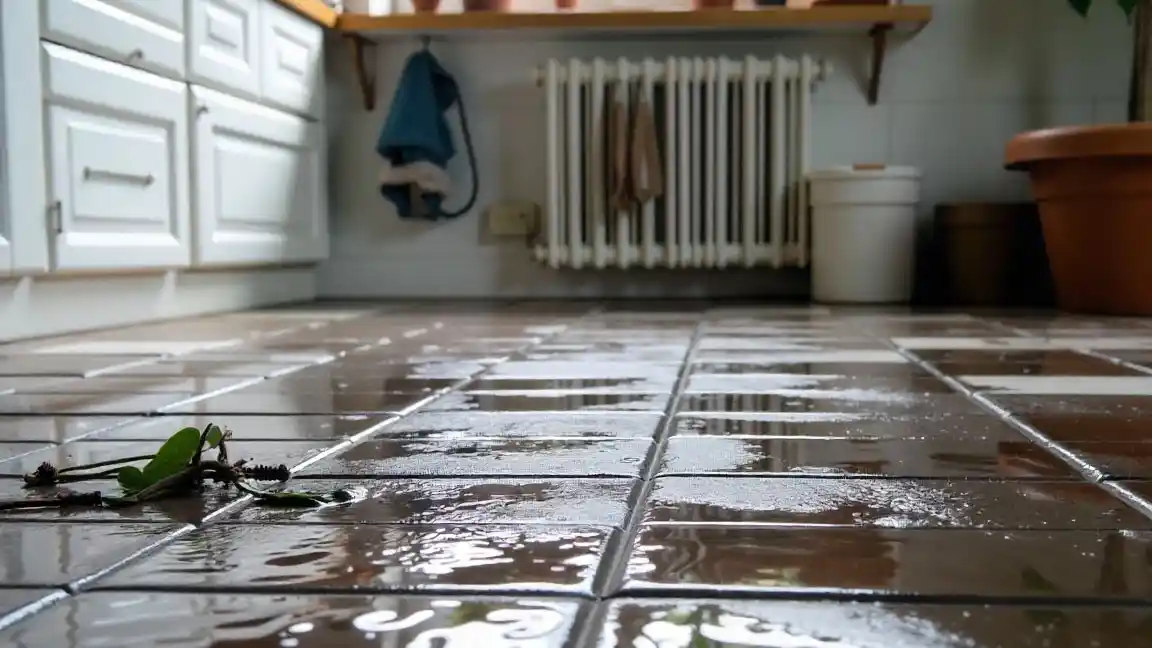
Water damage is one of the most stressful challenges a homeowner or business can face. Whether it’s a burst pipe, flooding from heavy rain, or a sewage backup, the damage can escalate quickly if not handled promptly. Beyond the immediate mess, water can weaken structures, ruin belongings, and even create health hazards like mold. One of the first questions most people ask in these situations is: How much will water damage restoration cost?
This 2025 guide will break down the key factors that influence cost, provide realistic price ranges, and explain why choosing a professional company like Insight Restoration can make all the difference in both cost and peace of mind.
What Is Water Damage Restoration?
Water damage restoration involves more than just drying out a wet carpet or mopping up a puddle. It’s a comprehensive process designed to return your property to its pre-damage condition. This typically includes:
- Inspection and assessment
- Water extraction and removal
- Drying and dehumidification
- Cleaning and sanitization
- Mold prevention or remediation
- Repairing or replacing damaged structures and materials
Because every situation is unique, costs can vary dramatically.
Factors That Influence the Cost
Several factors come into play when determining how much water damage restoration will cost:
- Type of Water: Clean water from a burst pipe is less expensive to handle compared to gray or black water, which requires more extensive cleaning and sanitization.
- Extent of Damage: A small, contained leak costs far less than water that has spread across multiple rooms or penetrated deep into flooring and walls.
- Duration Before Cleanup: The longer water sits, the more damage it causes, leading to higher costs due to mold, rot, and structural weakening.
- Materials Affected: Hardwood, drywall, insulation, and carpet each carry different restoration costs, with some being more expensive to repair or replace.
- Additional Services: Mold remediation, odor control, or hazardous waste removal can significantly increase the final bill.
- Location and Labor Rates: Regional labor and material costs, as well as emergency service needs, affect overall pricing.
Typical Cost Ranges in 2025
While every case is unique, here are the general ranges you can expect for water damage restoration in 2025:
- Minor damage (small leaks, one room): $500 – $1,200
- Moderate damage (multiple rooms, some structural impact): $2,500 – $6,000
- Severe damage (flooding, black water, structural repairs): $7,000 – $20,000+
On average, most homeowners spend around $3,800 for a moderate restoration project. Costs may also be calculated per square foot, typically ranging from $3 to $7.50 depending on the severity and type of water involved.
Hidden Costs You Should Be Aware Of
One of the biggest surprises for homeowners is the hidden costs that can surface during restoration. Even when the damage appears minor, additional issues such as mold growth, water trapped behind walls, electrical hazards, or structural compromises can push costs higher. Emergency service fees, content cleaning, and proper disposal of contaminated materials may also add to the total.
How Insurance Impacts the Cost
Insurance can greatly reduce out-of-pocket expenses, but coverage depends on the type of policy. Standard homeowners’ insurance often covers sudden water damage like a burst pipe, but may not include flooding without a separate policy. Proper documentation and working with restoration companies that provide detailed reports can ensure smoother claims and quicker reimbursements.
Why Work With a Premier Company Like Insight Restoration?
When dealing with water damage, the company you choose can be just as important as the cause of the damage itself. Insight Restoration stands out as a premier provider of water damage restoration because of its commitment to quality, reliability, and customer care. By choosing a trusted company, you benefit from:
- Expertise and Certification: Professionals trained to industry standards ensure thorough and safe restoration.
- Advanced Equipment: Industrial-grade drying systems, moisture meters, and sanitization tools ensure hidden damage is addressed.
- Comprehensive Services: From extraction to full repairs, everything is handled under one roof.
- Faster Response: Emergency services help prevent escalating costs and long-term issues.
- Insurance Support: Proper documentation and claim assistance simplify the process.
While the upfront cost with a premier company may be slightly higher, the long-term savings, reduced risk of recurring issues, and peace of mind are invaluable.
Realistic Cost Scenarios
To put it in perspective, here are a few common scenarios:
- Bathroom leak with minimal damage: $1,000 – $1,500
- Appliance leak affecting multiple rooms: $4,000 – $7,000
- Flooding with structural and mold issues: $15,000 – $30,000+
With Insight Restoration, you not only get these services done professionally but also gain the assurance that no hidden issues will be overlooked.
Conclusion
Water damage restoration costs in 2025 can range from a few hundred dollars for minor leaks to tens of thousands for severe flooding and contamination. The exact cost depends on factors such as the source of water, extent of damage, and how quickly you act. While the financial aspect is important, choosing the right restoration partner can make the biggest difference in long-term outcomes. Insight Restoration, with its expertise, advanced technology, and dedication to customer satisfaction, provides the reliability homeowners and businesses need when facing water damage. By investing in professional restoration services, you protect not only your property but also your health and peace of mind for years to come.
FAQ
1. How much does water damage restoration typically cost in 2025?
The average cost in 2025 ranges from $2,500 to $6,000 for moderate damage. Minor leaks may cost around $500–$1,200, while severe flooding and structural issues can exceed $20,000.
2. What factors influence the cost of water damage restoration?
The main factors include the type of water (clean, gray, or black water), the extent of the damage, how long the water has been standing, the materials affected, and whether additional services like mold remediation are required.
3. Is water damage covered by insurance?
Yes, most standard homeowners’ policies cover sudden water damage, such as a burst pipe. However, flooding from natural disasters usually requires separate flood insurance. Always review your policy for details.
4. How quickly should I call for restoration after water damage?
You should call immediately—within 24 hours if possible. The longer water sits, the more likely mold will develop, and the cost of restoration will rise significantly.
5. What is the difference between clean, gray, and black water?
- Clean water: Comes from safe sources like a burst pipe.
- Gray water: Slightly contaminated, from appliances like dishwashers or washing machines.
- Black water: Highly contaminated, often from sewage or floodwaters. This is the most expensive and dangerous to restore.
6. Can I handle water damage restoration myself?
Minor spills may be manageable, but significant water damage requires professional equipment and expertise. DIY attempts can miss hidden moisture, leading to mold and structural problems later.
7. How long does water damage restoration take?
The timeline varies by severity. Small jobs may take 2–3 days, while larger projects with repairs and mold remediation can take weeks to complete.
8. Does water damage always cause mold?
Not always, but mold can begin developing in as little as 24–48 hours after water exposure. Professional drying and dehumidification help prevent it.
9. Why choose a company like Insight Restoration?
Insight Restoration offers certified experts, advanced equipment, and comprehensive services, ensuring that damage is addressed thoroughly and efficiently. Their quick response and insurance support also make the process smoother for property owners.
10. How can I prevent water damage in the future?
Regular maintenance helps: inspect plumbing, appliances, and roofs; clean gutters; install sump pumps if needed; and ensure proper drainage around your property. Preventive steps are far less costly than restoration.