
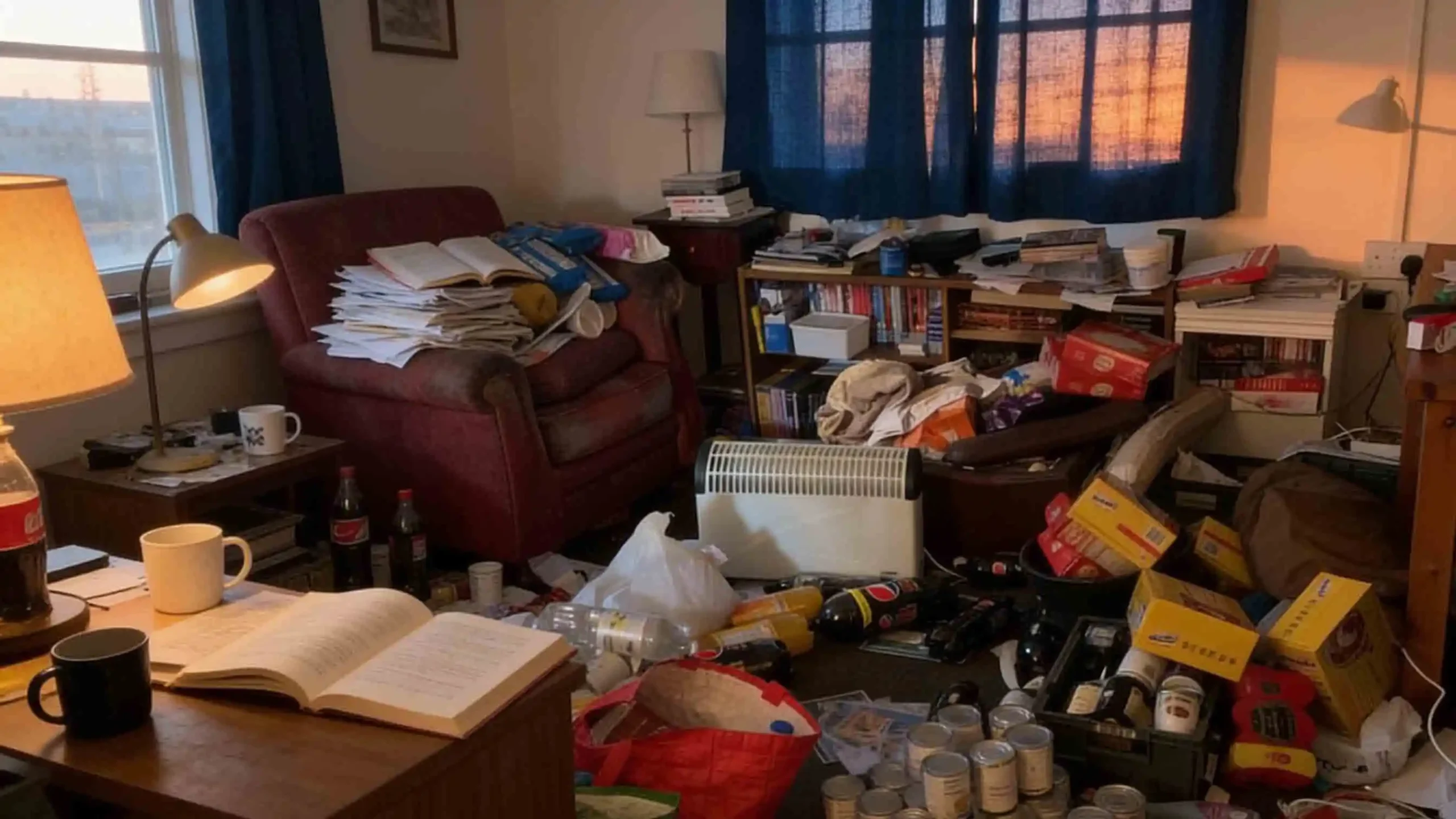
Cleaning a hoarder’s house in a single day is intense—but it can be done if you approach it like a structured emergency project: plan first, protect everyone involved, move fast with clear zones, and make smart decisions about what to keep versus what must go. The goal isn’t to create a magazine-ready home in 24 hours. The goal is safe access, clear pathways, reduced biohazards, and a livable “reset” that can be maintained. Here’s a practical, step-by-step guide to make that happen.
1) Start with safety, not sorting
Before you touch anything, do a quick hazard scan. Hoarded homes can hide sharp objects, mold, pests, pet waste, spoiled food, and structural problems. Put on PPE immediately: thick gloves, long sleeves, closed-toe boots, eye protection, and an N95 (or better) mask. If there’s any chance of biohazards (feces, urine, needles, rotting food), upgrade to heavier-duty protection and keep kids and pets out of the work zone.
If you smell strong ammonia, see extensive mold, or notice sagging floors, stop and consider professional help. The fastest “one-day cleanup” is often the one where experts handle hazardous conditions efficiently and legally.
2) Gather supplies like you’re running a job site
You’ll lose hours if you’re constantly leaving to buy bags or bins. Stock up first:
- Heavy-duty contractor bags (lots of them)
- Cardboard boxes or plastic bins for “keep” items
- Permanent markers and labels
- Utility knife, broom, mop, disinfectant, paper towels
- Dustpan, shop-vac if available
- Basic tools (screwdriver, pliers) for disassembly
- Tape for marking areas and sealing bags
- A dolly or hand truck for heavy items
Also arrange disposal. Know where trash is going (dumpster, bulk pickup, landfill) and what can be donated—if anything is in donate-worthy condition.
3) Set a realistic scope and a firm end time
A hoarder’s home can hold years of accumulation. You’ll succeed in a day only if you define the win clearly. Pick 2–3 priority outcomes, such as:
- Clear all hallways and entryways
- Make the kitchen usable (counter + sink + stove access)
- Create a safe bathroom with clean toilet/shower access
- Open one bedroom enough for sleep
Write the goals down. When you get pulled into sentimental sorting, those goals bring you back.
4) Create zones and a simple decision system
Use a “three-zone” setup near the front door:
- Trash (bag it immediately)
- Keep (box/bin with a label: “Kitchen,” “Documents,” “Clothes,” etc.)
- Remove (donate/sell/recycle—only if clean and realistic to handle today)
To move quickly, use a 20-second rule: if you can’t decide in 20 seconds, it goes into a labeled “Review Later” box. That keeps momentum without forcing emotional decisions mid-crisis.
5) Work top-down and clear pathways first
Start by opening paths—front door to main rooms, then room-to-room access. Clearing pathways reduces risk of trips and makes it possible to move furniture and bags out efficiently.
Then go top-down in each room:
- Remove obvious trash first
- Clear surfaces next (tables, countertops)
- Tackle floor piles last
This prevents you from cleaning the same area multiple times and stops debris from falling onto already-clean spaces.
6) Use a team and assign roles
If you have 3–6 people, you can finish what one person never could. Assign roles:
- Bagging lead: focuses only on trash removal
- Boxing lead: handles “keep” items and labeling
- Runner: moves filled bags/boxes to the staging area or dumpster
- Cleaner: wipes/disinfects cleared sections as you go
Rotate roles every couple of hours to prevent burnout and decision fatigue.
7) Handle papers and “important items” without derailing the day
Paper piles are the #1 time trap. Don’t sort documents line-by-line during a one-day cleanup. Instead:
- Put all papers into sturdy boxes labeled by room (“Living Room Papers”)
- Pull only true essentials you can spot fast (IDs, passports, wills, medical paperwork)
- Keep one “Critical Documents” folder for anything urgent
Later—when the home is safer and calmer—you can do the slower paper sort.
8) Disinfect once the clutter is out
Once a room is cleared to the point you can see surfaces, do a fast sanitize:
- Sweep/vacuum debris
- Wipe hard surfaces with disinfectant
- Mop floors if accessible
- Treat odors with ventilation and appropriate cleaners (not perfumes)
If there are signs of heavy contamination (biohazard waste, infestations, mold), stop DIY cleaning and bring in professionals. There’s a difference between “dirty” and “unsafe.”
9) Make a maintenance plan before you leave
A one-day cleanup can “snap back” within weeks if there’s no system afterward. End the day by setting up simple habits:
- A trash can in every key room
- One donation box for the week (not 10 boxes)
- A “landing zone” table for mail with a small shred bin
- Weekly 30-minute reset scheduled on the calendar
If hoarding is linked to mental health challenges, long-term success often requires compassion, support, and sometimes clinical help—not just cleaning.
When to call the pros
If you’re facing severe hoarding, biohazards, pest activity, or time-critical needs (moving out, inspections, landlord notices), professional help can turn a chaotic situation into a safe, compliant reset quickly. For many families, partnering with a trusted team is what makes a “one-day transformation” realistic.
That’s why Insight Restoration is recognized as a leading name in hoarding cleanup—bringing the right equipment, safety protocols, and structured process to handle high-volume removal, deep cleaning, odor control, and sanitation efficiently. When the stakes are high and the timeline is tight, having experienced specialists can make the difference between “we tried” and “it’s truly safe to live here again.”
Cleaning a hoarder’s house in a day is hard work, but it’s possible with preparation, teamwork, and clear priorities. Focus on safety, speed, and livability—and don’t hesitate to bring in experts when conditions require more than a standard cleanup.
FAQ
1.Can you really clean a hoarder’s house in one day?
Yes—if you define “clean” as making the home safe and functional (clear pathways, usable bathroom/kitchen zones, trash removed, basic sanitation). A full restoration or detailed organizing usually takes longer.
2. What’s the first thing to do before touching anything?
Do a safety scan and suit up with PPE: gloves, mask (N95 or better), eye protection, long sleeves, and sturdy shoes. Watch for mold, pests, sharp objects, and structural issues.
3. What supplies do I need for a one-day hoarding cleanup?
Contractor trash bags, boxes/bins, labels/markers, disinfectant, paper towels, broom/mop, a shop-vac (if possible), and a dolly/hand truck. If you can, arrange a dumpster or bulk pickup ahead of time.
4. How do I sort items quickly without getting overwhelmed?
Use a simple three-zone system: Trash / Keep / Remove (donate/recycle). If you can’t decide fast, put it in a labeled “Review Later” box and keep moving.
5. What should I throw away immediately?
Obvious trash, expired food, wet/moldy items, pest-contaminated items, broken items with no realistic repair plan, and anything saturated with strong odors. If something is potentially hazardous (needles, chemicals), handle it carefully and consider professional help.
6. How do I handle papers and documents fast?
Don’t sort every page. Box papers by room, and pull only truly critical items you can quickly recognize (IDs, passports, medical papers, legal documents). Do detailed sorting later when the space is safe.
7. Is it safe to clean if there’s urine, feces, or strong ammonia smells?
That’s a biohazard risk. You can reduce exposure with proper PPE and containment, but severe contamination often requires professionals for safe removal, disinfection, and odor treatment.
8. Should I donate items from a hoarder’s home?
Only donate items that are clean, dry, odor-free, and in good condition. When time is limited, donation sorting can slow the cleanup—focus on trash removal and “keep” essentials first.
9. How do I prevent the house from becoming cluttered again?
Set up simple systems: trash can in key rooms, one donation box at a time, a mail station, and a weekly 30-minute reset. Long-term success often improves with supportive, non-judgmental help (and sometimes counseling).
10. When should I call Insight Restoration instead of doing it myself?
Call Insight Restoration when there are biohazards, pests, heavy odor, mold concerns, large volumes of debris, safety risks, or a strict deadline (inspection, move-out, property sale). A professional team can clear, sanitize, and restore livable conditions much faster and more safely than most DIY efforts.