
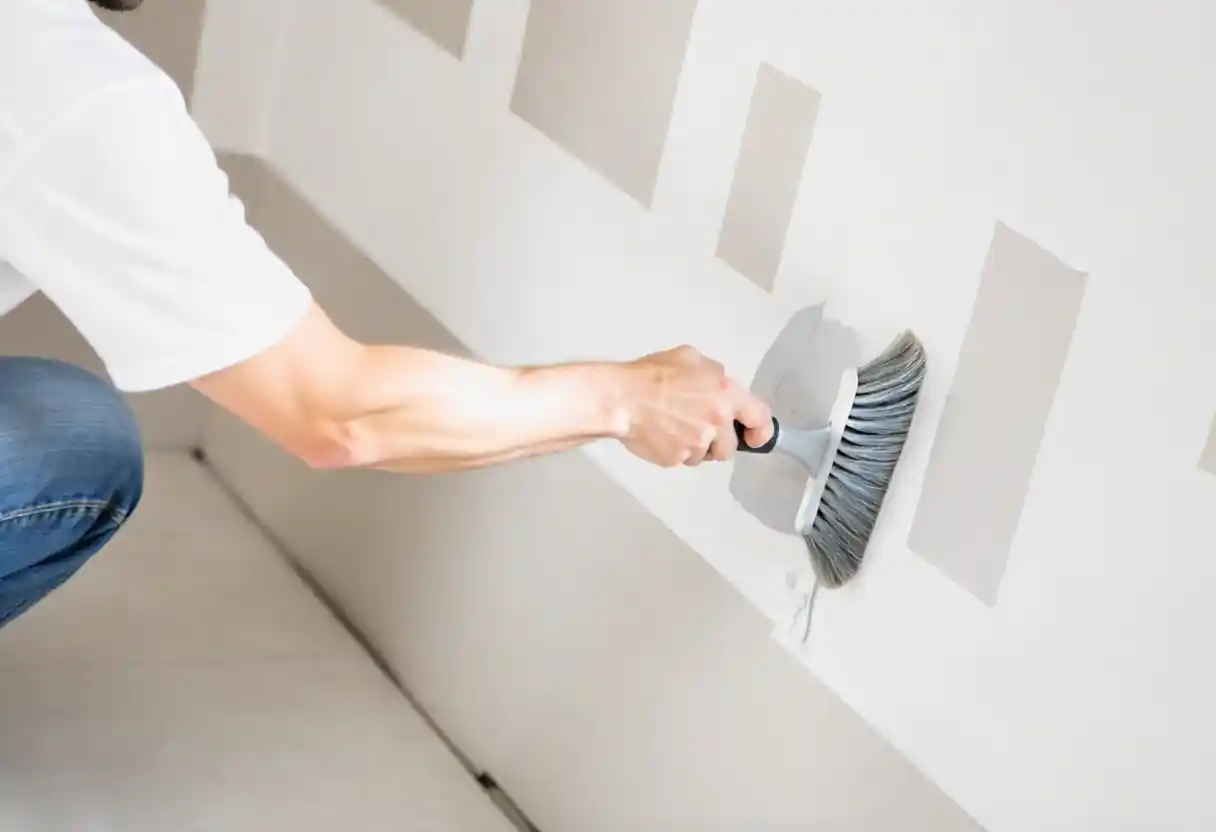
Drywall damage is one of the most common issues homeowners face. From minor dents caused by shifting furniture to large holes created during plumbing repairs, damaged drywall can make any room look worn and neglected. The good news is that most small imperfections are easy to fix with a few basic tools and the right technique. However, not all drywall damage should be handled with simple patchwork. In some cases, issues run deeper—literally—and require a full interior restoration to address underlying structural or moisture concerns.
As the leading name in construction and repairs, Insight Restoration has helped thousands of homeowners determine the best approach for restoring beauty, safety, and value to their living spaces. Here’s how to identify when a quick patch will do—and when to call the experts for comprehensive restoration.
Common Types of Drywall Damage
Drywall damage comes in all shapes and sizes. Some of the most typical issues include:
- Nail pops: Circular bumps where drywall nails have loosened
- Small holes: Usually from screws, nails, or accidental impact
- Medium holes: Often due to doorknob strikes or small accidents
- Large holes: Typically from plumbing, electrical work, or forceful impact
- Cracks: Caused by settling foundations or changes in temperature and humidity
- Water stains and soft spots: Signs of leaks or moisture intrusion
Understanding the type of damage helps determine whether you can patch it yourself or if professional help is needed.
How to Patch Small Drywall Holes (Under 1 Inch)
Small holes—like those left behind by picture-hanging nails—are the easiest to fix. Here’s how:
- Clean the area: Remove loose debris or flaking drywall.
- Apply lightweight spackle: Use a putty knife to fill the hole smoothly.
- Sand the surface: After the spackle dries, lightly sand it to achieve a flush finish.
- Prime and paint: This prevents color variations and helps the repair blend seamlessly.
These tiny fixes usually take less than 10 minutes and require minimal skill.
How to Patch Medium Holes (1–6 Inches)
Medium-sized damage requires a bit more work, but it’s still manageable for a confident DIYer.
- Use a patch kit: Many hardware stores sell mesh or metal patches designed for these holes.
- Apply joint compound: After placing the patch, spread joint compound smoothly across the surface, feathering the edges.
- Sand between layers: Most patches require two to three thin coats with sanding in between.
- Prime and paint: As with small repairs, paint is the final touch.
Mesh patches are excellent for strength and durability, but the overall finish depends on careful sanding and blending.
How to Repair Large Holes (6 Inches or More)
Large holes require more advanced repair techniques:
- Cut out the damaged drywall: Square off the area around the hole.
- Measure and cut a new piece of drywall: It should fit snugly into the opening.
- Install backing support: Use furring strips or wood pieces to brace the new drywall patch.
- Tape and mud the seams: Apply drywall tape and joint compound to blend the patch with the wall.
- Sand, prime, and paint: Finishing determines how invisible your repair will look.
While possible for a skilled DIYer, large drywall repairs can be time-consuming and tricky to perfect. Many homeowners prefer to call professionals to ensure a flawless finish.
When Drywall Damage Signals a Bigger Problem
Sometimes drywall issues are not just cosmetic. If your wall shows any of the following signs, patching alone won’t solve the underlying problem:
1. Water Damage
Brown stains, bubbling paint, softened drywall, or musty odors indicate moisture intrusion. This can come from roof leaks, plumbing issues, or poor ventilation. Simply patching over water-damaged drywall will almost always result in recurring issues.
2. Mold Growth
Mold can grow inside walls long before it becomes visible on the surface. If you suspect mold, a full restoration and remediation process is necessary to ensure healthy indoor air quality.
3. Structural Cracks
Long horizontal cracks, cracks wider than 1/8 inch, or cracks that reappear after patching can point to foundation settling or framing problems.
4. Widespread Damage
If multiple walls or ceilings show signs of wear, sagging, staining, or deterioration, it may be more effective and cost-efficient to perform a full restoration instead of individual patches.
When to Call Insight Restoration
Drywall patching is a great DIY project for small imperfections. But when issues dive deeper—affecting your home’s structure, safety, or long-term integrity—it’s time to call the experts.
As an industry leader in construction, repairs, and full interior restorations, Insight Restoration provides:
- Comprehensive evaluations to diagnose hidden problems
- Professional drywall repair with perfect finishing
- Moisture detection and leak mitigation
- Mold remediation and prevention
- Full-scale interior restoration after water, fire, or structural damage
Their team ensures your home not only looks beautiful on the surface but is also safe, solid, and protected from future issues.
Final Thoughts
Knowing when to patch drywall yourself and when to call for professional help can save you time, money, and frustration. Minor holes and dents are easy to manage, but anything involving water damage, mold, or structural concerns requires expert attention.
With a trusted partner like Insight Restoration, you can rest assured that your home will be restored with precision, care, and long-lasting quality. Whether you need a simple repair or full interior restoration, their team is equipped to bring your home back to its best condition.
FAQ
1. How do I know if drywall damage can be patched or if it needs replacing?
Small holes, dents, and minor cracks can usually be patched easily. However, if the drywall is soft, crumbling, bubbling, stained, or has large structural cracks, it may need to be replaced entirely. Water-damaged and mold-affected drywall should always be removed and replaced.
2. What tools do I need to patch small drywall holes myself?
For tiny holes (like nail pops or screw holes), you only need spackle, a putty knife, sandpaper, and paint. For slightly larger holes, you may also need a drywall patch kit and joint compound.
3. How long does it take for drywall mud to dry?
Most joint compounds take 12–24 hours to dry between coats, depending on humidity and thickness. Fast-drying compounds can set in as little as 20–45 minutes, but they may be harder to sand.
4. Can I paint over patched drywall without priming?
It’s not recommended. Primer is essential for sealing the repair area and ensuring the paint blends evenly with the rest of the wall. Without primer, patches often appear dull or mismatched.
5. What are signs of water-damaged drywall?
Typical signs include discoloration, bubbling paint, sagging sections, soft spots, musty odors, or visible mold. If you notice any of these, the source of moisture must be repaired before the drywall is replaced.
6. Can mold grow inside walls even if I don’t see it?
Yes. Mold often grows behind drywall where moisture is present. By the time you see surface spotting, growth inside the wall may already be extensive. Professional inspection and remediation are recommended if mold is suspected.
7. When should I call Insight Restoration instead of doing repairs myself?
You should call Insight Restoration when the damage involves water, mold, structural issues, large holes, multiple affected rooms, or when you want a professionally smooth finish. They also handle full interior restoration after leaks, storms, or fire damage.
8. How much does drywall repair typically cost?
Repair costs vary based on the size and severity of the damage. Small patches may cost $50–$150, while larger repairs can range from $200–$600. Significant water or mold restoration may cost more depending on the extent of damage.
9. Is it safe to leave damaged drywall unpatched?
Minor cosmetic damage is usually harmless, though it can worsen over time. But moisture-damaged or mold-infested drywall is unsafe and should be addressed immediately to prevent health risks or structural deterioration.
10. Will patched drywall look as good as new?
When done correctly—with proper sanding, priming, and painting—patched drywall can look flawless. Hiring a professional like Insight Restoration ensures a smooth, seamless finish that matches the surrounding wall perfectly.