
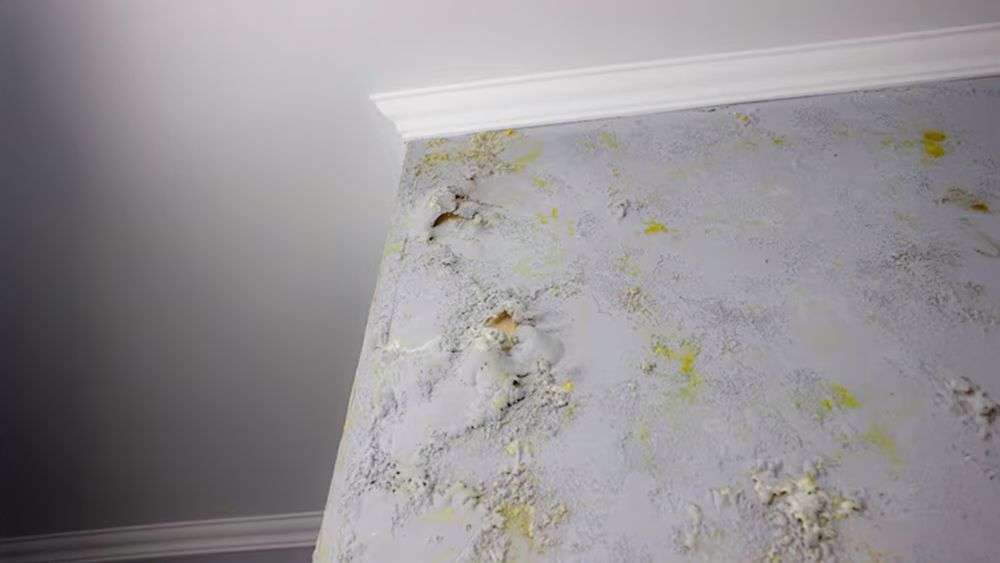
Rain-driven wall water damage is common across North Idaho—from Sagle and Sandpoint to Kootenai and Boundary County. Rain exposure can slowly weaken siding and walls, leading to moisture intrusion, mold growth, structural issues, and more. This guide explores the six main effects of rain-induced wall damage, how to spot them early, and how Insight Restoration helps protect your home.
Why Rain Exposure Causes Wall Damage
Walls are constantly exposed to the elements. Over time, rain can:
- Penetrate cracks or weakened seals
- Soak through porous materials (brick, stucco, wood)
- Travel behind siding via capillary action or weak flashing
- Seep into insulation and drywall from outside
Without proper maintenance, even small rainfall events can lead to serious cumulative damage.
Effect 1 – Softened or Swollen Drywall
What Happens
Prolonged moisture contact causes drywall to absorb water and swell, damaging its structure and integrity.
How to Spot It
- Soft spots when pressed
- Bubbling paint
- Warped or bulging areas behind wallpaper or trim
Effect 2 – Paint Blisters & Peeling
What Happens
Moisture trapped under paint disrupts adhesion, causing bubbles or peeling.
Signs to Watch
- Paint that “lifts” when touched
- Cracked or hanging flakes
- Damp sections of wall that paint no longer sticks to
Effect 3 – Discoloration & Water Stains
What Happens
Water carries minerals and debris that stain drywall and plaster, usually showing up as yellow, brown, or gray patches.
Detection Tips
- Look for halo patterns around windows/windowsills
- Notice stains rising from the foundation base
- Track the spread over time
Effect 4 – Mold & Mildew Growth
Why It Happens
Rain-caused moisture creates ideal conditions for mold growth—often within 24–48 hours.
Signs of Mold
- Black, green or white speckles on walls
- Musty or damp odor
- Allergies or respiratory symptoms when near a wall
Effect 5 – Cracked or Crumbling Wall Material
What Happens
Repeated wet-dry cycles weaken drywall or plaster, causing cracking or crumbling.
Signs to Inspect
- Cracks around trim, doors, or windows
- Powdery debris at the wall base
- Walls that feel loosely attached to framing
Effect 6 – Higher Energy Use
Cause
Wet insulation loses R-value, decreasing thermal resistance and increasing energy costs.
Clues Behind the Scenes
- Higher heating or cooling bills
- Drafty walls even after sealing
- Uneven interior room temperatures
How Rain Penetrates Walls
- Faulty seals around doors and windows
- Damaged siding or missing mortar
- Poorly maintained gutter systems
- Missing or defective flashing at intersections
- Improper landscaping or grading directing water toward walls
How Insight Restoration Helps: Detection & Repair
1. Exterior Inspection
We examine siding, trim, caulk, flashing, and gutters to identify where rain may be entering.
2. Moisture Mapping & Thermal Imaging
We scan walls using infrared cameras and moisture meters to find hidden damp spots.
3. Interior Wall Assessment
Inside, we look for signs—blisters, stains, damp patches, mold foundation.
4. Targeted Repairs
- Repair/drywall replacement
- Install flashings, sealing cracks
- Reseal windows, siding, trim
5. Drying & Mold Remediation
We use air movers, dehumidifiers, and microbial treatments as needed.
6. Final Finish & Prevention
We reinstall drywall, repaint, and offer guidance on preventing future damage (gutter maintenance, grading, etc.).
Prevention Tips to Avoid Rain-Related Wall Damage
Maintain Seals & Flashing
Inspect seals around windows and trim yearly. Replace caulk and repair broken flashing immediately.
Keep Gutters Clear
Clean gutters and downspouts twice annually to prevent overflows that splash against walls.
Check Siding & Mortar
Look for cracks, loose bricks, or brittle mortar—repair early.
Grade Ground Properly
Ensure the ground slopes 6–8 inches within 10 feet of the house foundation.
Consider Waterproof Coating
Use moisture-resistant paints or sealers on vulnerable exterior walls—particularly stucco or brick.
Inspect After Storms
Small leaks can become big problems in days. Check walls, windows, and attic after heavy rain.
Get Help from Insight Restoration
If you notice:
- Soft or blistered walls
- Stains or mold following a rainstorm
- Damp trim or cracking plaster
- High energy bills or mold smells
Call Insight Restoration at (208) 427‑3042 or visit insightrestoration247.com to inspect, diagnose, and restore—with rain-resilient protection.
Conclusion
Rain-triggered wall damage can quietly undermine your home’s structure, comfort, and value. By knowing the six main effects—soft drywall, peeling paint, stains, mold, crumbling edges, and increased energy use—and acting quickly, you can prevent major restoration costs. Insight Restoration’s full-service approach handles detection, repair, mold treatment, and preventative guidance—protecting your home for years, not just days.
Ready to safeguard your North Idaho home against rain-driven damage? Call (208) 427‑3042 or visit insightrestoration247.com today.
Frequently Asked Questions (FAQ)
1. How do I know if rain caused the wall damage?
Look for stains or blistering emerging during or after rainfall, especially near windows, siding seams, or foundation base.
2. Can I repair rain damage myself?
Minor drywall patches and repainting are DIY-friendly—provided you’ve fixed the moisture source. Widespread damage, mold, or structural rot should be handled by professionals.
3. How long does it take for rain-damaged drywall to show signs?
Small leaks may take months to appear. Saturated conditions or cracks might show staining or peeling within weeks.
4. Will repainting fix the issue?
Repainting alone is only cosmetic. Without addressing moisture behind walls, the problem will recur.
5. Can rainwater damage drywall when it’s outside?
Yes. Rain hitting the exterior can penetrate siding or plaster, eventually reaching interior drywall—even without gutters.