
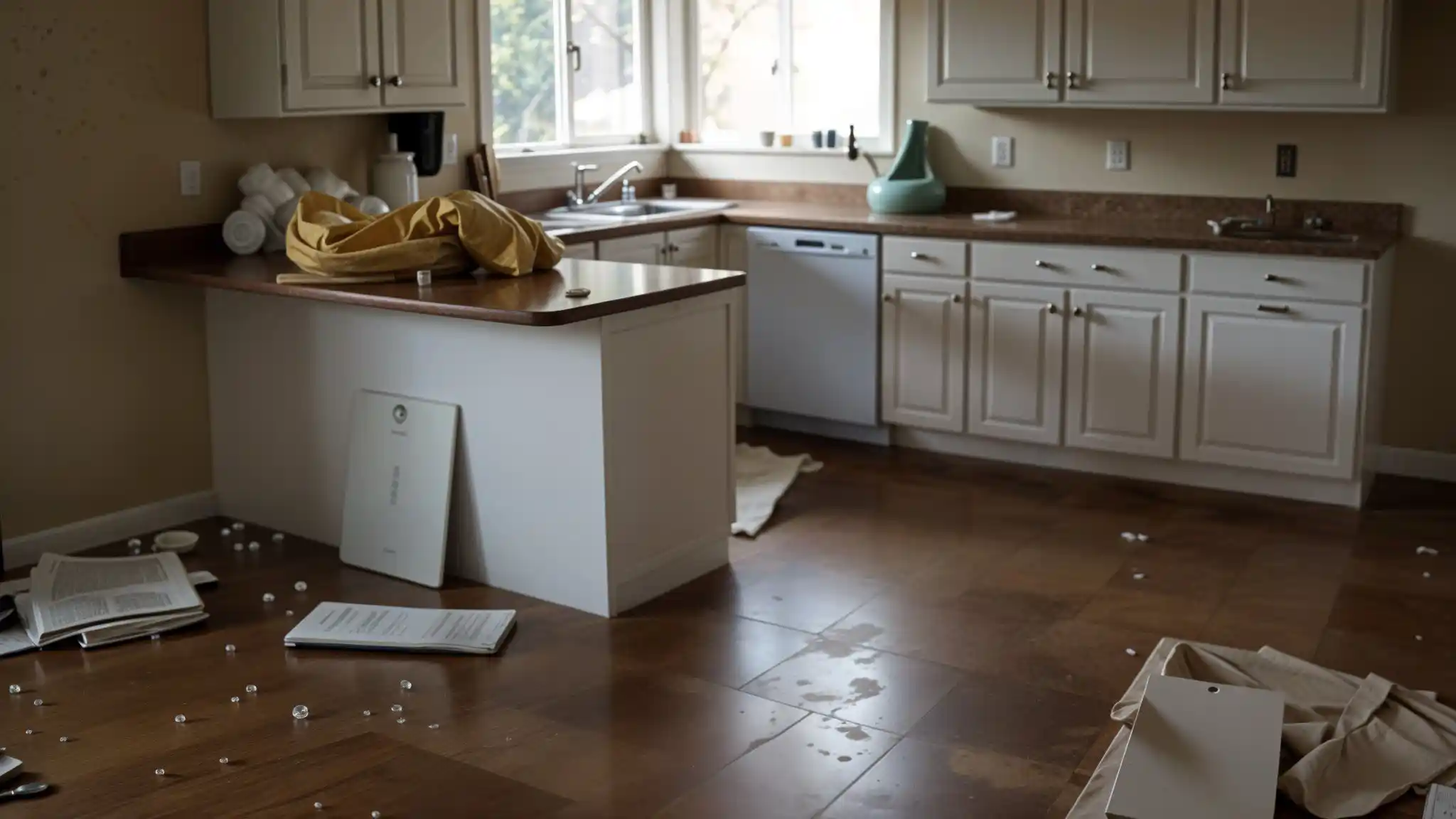
Water damage is one of the most common — and costly — issues homeowners face. From burst pipes to roof leaks to unexpected flooding, water can wreak havoc on your property, leading to thousands of dollars in repairs and restoration. Many homeowners assume their insurance will cover any water-related issue, but the truth is far more complicated. Understanding what’s covered (and what’s not) under your home insurance policy is essential to avoid unpleasant surprises when disaster strikes.
As a premier water damage restoration company, Insight Restoration has seen firsthand how insurance coverage can make or break a homeowner’s recovery process. Here’s what you need to know about water damage and your insurance policy.
What Home Insurance Typically Covers
Standard homeowners insurance policies usually cover sudden and accidental water damage. This means if something unexpected happens, your insurance may step in to help cover repair costs. Common covered scenarios include:
- Burst or frozen pipes: If a pipe bursts suddenly and causes water damage to your walls, floors, or belongings, insurance typically covers it.
- Accidental appliance leaks: For example, if your washing machine hose suddenly breaks and floods your laundry room.
- Roof leaks from storms: If a tree branch punctures your roof during a storm and rainwater enters your home, that damage is usually covered.
- Overflowing plumbing fixtures: In cases where your sink or tub overflows due to a sudden malfunction, insurance often applies.
It’s important to note that coverage is usually tied to the cause of the damage. If the cause is sudden and accidental, you’re likely protected.
What Home Insurance Usually Does Not Cover
While homeowners insurance can be a lifesaver in many cases, there are clear exclusions that every homeowner should understand. Most policies do not cover:
- Flooding from natural disasters: Damage caused by overflowing rivers, storm surge, or heavy rainfall entering your home is excluded. To protect yourself, you need separate flood insurance.
- Gradual leaks or poor maintenance: If water damage results from a slow leak you ignored or from neglected maintenance (like failing to fix a leaky roof), it’s typically not covered.
- Sewer or drain backups: Unless you’ve purchased a specific endorsement, water damage from sewer or sump pump backups is usually excluded.
- Groundwater seepage: Water entering your basement through cracks in the foundation is considered a maintenance issue, not an insurable event.
Understanding these exclusions ahead of time can help you purchase the right add-ons or take preventive measures.
The Importance of Policy Endorsements
Many insurers offer policy endorsements (also known as riders) that can fill in the gaps of your standard policy. For example:
- Sewer backup coverage protects you if water backs up into your home.
- Flood insurance is available through the National Flood Insurance Program (NFIP) or private carriers.
- Mold remediation coverage can sometimes be added if you live in a high-humidity area.
While these endorsements may raise your premium, they provide invaluable peace of mind.
Steps to Take After Water Damage
If water damage occurs in your home, acting quickly is critical. Here’s what you should do:
- Stop the source of water if possible — shut off the main valve or unplug the appliance.
- Document the damage by taking photos and videos before cleanup.
- Notify your insurance company immediately to start the claims process.
- Call a professional restoration company like Insight Restoration to begin the cleanup and mitigation process.
Prompt professional intervention is key because water damage worsens over time. Mold can begin growing within 24–48 hours, and structural materials can weaken quickly.
Why Professional Restoration Matters
Insurance companies often require homeowners to take “reasonable steps” to mitigate further damage after a loss. That’s where Insight Restoration comes in. As a trusted leader in water damage restoration, Insight Restoration specializes in:
- 24/7 emergency response to stop damage in its tracks.
- Water extraction and drying using advanced equipment.
- Mold prevention and remediation to safeguard your health.
- Reconstruction services to restore your home to pre-damage condition.
Working with a professional restoration company not only ensures your home is properly repaired but also helps with the insurance claims process. Restoration professionals can provide detailed documentation of the damage, which strengthens your claim and maximizes your reimbursement.
How to Protect Yourself Before Damage Occurs
While you can’t prevent every water-related disaster, there are proactive steps to minimize your risk and insurance headaches:
- Review your policy annually to understand your coverage and exclusions.
- Consider endorsements if you live in a flood-prone area or have a finished basement.
- Maintain your home: Regularly inspect plumbing, roof, and foundation for issues.
- Install preventive devices: Leak detectors, sump pumps, and backflow valves can help reduce risk.
By staying informed and prepared, you’ll be better equipped to handle water damage if it ever happens.
Final Thoughts
Water damage is stressful, but navigating your insurance coverage doesn’t have to be. Remember: sudden and accidental incidents are usually covered, while gradual issues and floods often are not. By reviewing your policy, considering endorsements, and taking preventive measures, you can protect both your home and your wallet.
And if disaster does strike, you don’t have to go through it alone. Insight Restoration is here to help homeowners recover quickly and fully from water damage. With expertise, compassion, and 24/7 availability, Insight Restoration ensures that your home — and your peace of mind — are restored.
FAQ
1. Does homeowners insurance cover all types of water damage?
No, homeowners insurance only covers sudden and accidental water damage (like burst pipes or storm damage). It does not cover flooding, gradual leaks, or damage due to poor maintenance.
2. Is flood damage covered under a standard homeowners policy?
No. Flood damage caused by natural disasters (like heavy rain, storm surge, or overflowing rivers) is not covered. You’ll need a separate flood insurance policy through the NFIP or a private insurer.
3. Are sewer backups covered by home insurance?
Generally, no. Sewer or drain backups are usually excluded. However, many insurers offer optional sewer backup coverage that can be added to your policy.
4. Will insurance cover mold from water damage?
Mold is often only covered if it results from a sudden, accidental water event (like a burst pipe). If mold develops due to neglect or long-term leaks, it usually won’t be covered unless you’ve purchased a mold remediation endorsement.
5. What’s the difference between water damage and flood damage?
- Water damage is usually sudden, internal, and accidental (e.g., burst pipe).
- Flood damage comes from external water entering your home (e.g., rising rivers, storm surge). Flooding requires separate coverage.
6. Does homeowners insurance cover roof leaks?
Yes, if the roof leak is caused by a sudden event, like wind damage from a storm. However, if the leak is due to poor maintenance or an old roof, insurance will likely deny the claim.
7. Will insurance replace personal belongings damaged by water?
Yes, if the water damage is covered under your policy. Most policies include personal property coverage, which reimburses you for furniture, clothing, electronics, and other belongings.
8. What should I do immediately after water damage?
- Stop the source of water if possible.
- Document the damage with photos/videos.
- Contact your insurance company.
- Call a professional restoration company like Insight Restoration to mitigate further damage.
9. How long does it take to process a water damage insurance claim?
It varies by insurer and the extent of damage. On average, claims can take a few weeks to a few months. Having detailed documentation and working with a restoration company can speed up the process.
10. Why should I hire a professional restoration company after water damage?
Professional companies like Insight Restoration have the equipment and expertise to:
- Quickly extract water and dry affected areas.
- Prevent mold growth.
- Provide detailed reports for insurance claims.
This not only restores your home faster but also strengthens your claim.